


John P. Hoover
For scuba divers, snorkelers, and birdwatchers, specifically those visiting or residing in Hawaii, the Caribbean, and the South Pacific.
 Snorkel Fish Hawaii for iPhone


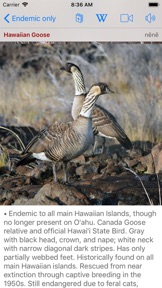



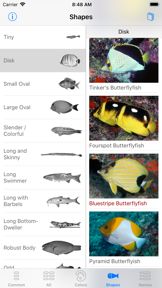

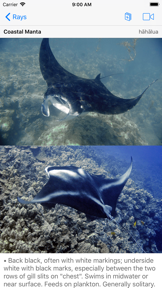


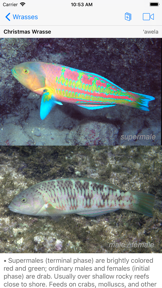

















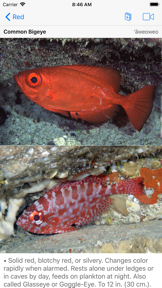
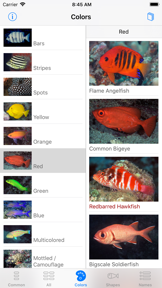

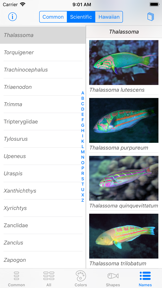


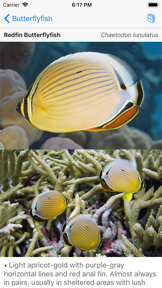


Snapshot
Who is John P. Hoover?
Providing specialized marine and wildlife identification guides for divers, snorkelers, and nature enthusiasts in tropical regions.
Target audience


Portfolio
Free 1Last updated

Snorkel Fish Hawaii for iPhone
v3.7.3
10mo ago
Publisher DNA
What defines John P. Hoover?
Publisher DNA
Primary focus
Marine and wildlife identification guides
Scale
indie
Target audience
Scuba divers, snorkelers, and birdwatchers, specifically those visiting or residing in Hawaii, the Caribbean, and the South Pacific.
Origin
Developed by expert author John P. Hoover to provide educational tools for marine life identification.
Signature Patterns
- •Premium 'paid' monetization model across all primary reference titles
- •Consistent inclusion of an 'Identification Engine' and personal 'Logbook' features
- •Heavy reliance on offline-capable multimedia libraries including photos, video, and audio
- •Geographic focus on Hawaii and tropical island ecosystems
Portfolio momentum
The publisher has maintained high momentum with 13 releases across the portfolio in the last 6 months, with the most recent update occurring 22 days ago.
Company profile
low confidence- Employees
- 1-10
Portfolio
What does John P. Hoover ship?
Apps
13 apps analysed


Multi-photo gallery provides a defensible depth of data
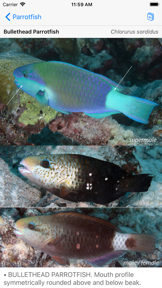
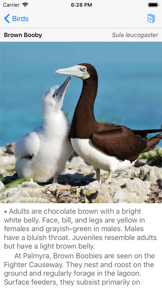
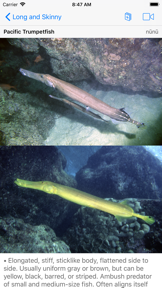
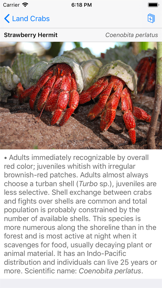
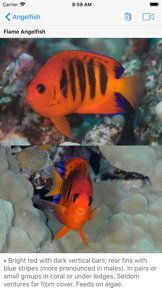
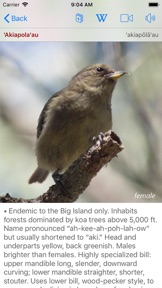
- Informative content helps dive instructors and snorkelers identify marine life during underwater excursions


Analysis in progress

Single-market publisher, every app ships only to United States.
Based on 6 of 13 apps with localized market data, more coverage rolling in as scans complete · last scanned .
Americas (1)
- United States6 / 6
Core markets (6/6 apps)
User Sentiment
How do users feel about their apps?
1
Positive apps
0
Neutral / mixed
0
Negative apps
90/100
Avg sentiment score
Rivals
Who does John P. Hoover compete with?
The rivals identified
Nemeses(2)

Both apps target the same demographic of divers and snorkelers, competing directly for utility as a portable marine identification reference.


Both apps target scuba divers and snorkelers requiring offline identification for reef life, creating direct competition for the same user base in remote marine environments.
Contenders(10)


Both apps target Caribbean snorkelers and divers with marine life identification tools, creating direct competition for users seeking reef reference guides.


Both apps target the recreational scuba diving and snorkeling market, competing for the same user attention during pre-dive preparation and training.


Both apps target snorkelers and scuba divers for marine life identification, creating direct competition for users seeking field references in the Caribbean.


Both applications target snorkelers and divers requiring offline identification tools for marine life. They share a core utility of providing searchable, visual databases for species recognition in specific geographic regions.


Both applications target the same niche of snorkelers and divers with an identical $9.99 price point, directly competing for users seeking marine life identification tools.


Both apps serve the marine life identification market by combining field guides with personal trip logging, targeting recreational coastal explorers.


Both apps target the scuba diving and snorkeling market, competing for the user's attention during and after underwater excursions.


Both apps target the recreational scuba and snorkeling market, competing for the user's post-dive attention through logging and marine life identification features.


Both apps serve snorkelers and divers with marine life identification databases and personal logbooks, creating direct competition for users seeking field reference tools.


Both apps target recreational divers and snorkelers with marine life identification and logging features, creating direct competition for user attention in the dive documentation category.
Same space(21)


New Zealand Marine Life provides a specialized, bilingual reference archive, serving as a non-commercial alternative to generalist identification apps.


Curaçao Dive Map serves as an official regional utility for divers, focusing on site discovery rather than the species identification of Easy Fish ID Caribbean.


Fish Identifier - Fish Scanner targets students and hobbyists with AI-based recognition, though it lacks the manual curation found in Easy Fish ID Caribbean.


Caribbean Travel Guide & Maps provides regional navigation support, serving as a companion utility for travelers visiting the same geographic area.


Fish Verify provides offline identification capabilities, serving as a technical alternative for users in remote environments without internet access.


Snorkeling provides a location-based discovery tool for underwater explorers, complementing the species identification focus of Easy Fish ID Caribbean.


Galápagos Marine Life serves as an offline-first reference tool, providing a specialized, non-profit alternative for field-based identification.


Fish Identifier - Fish ID uses AI to identify a wide range of species, serving as a broader, automated alternative to the curated Caribbean guide.


Fish Finder - Identifier Tool provides automated identification for anglers, serving as a digital alternative to the manual guide of Easy Fish ID Caribbean.


Fish Identifier & Finder targets fishing enthusiasts with AI-based identification, though it currently faces user satisfaction challenges regarding accuracy.


This app provides a free, gate-less alternative for the same target audience of divers and hobbyists as Easy Fish ID Caribbean.


Fish Identification by Picture targets anglers and hobbyists with AI recognition, though it lacks the manual, curated focus of Easy Fish ID Caribbean.


Picture Fish targets the broader aquarium hobbyist market with AI recognition, whereas Easy Fish ID Caribbean focuses on a curated, manual reference for snorkelers.


Fish Identifier • Fisherman targets anglers with AI-based identification, though it requires internet connectivity unlike the offline-capable apps in this space.


Fish Sorter shares the field guide format but targets a different geographic region, British Columbia, using a question-based interface instead of the dual-mode navigation found in North Sulawesi Fish ID.


Fish101 offers a zero-cost, ad-free experience that competes for the same casual identification audience as Easy Fish ID Caribbean.


Fish Verify serves the same identification purpose but uses AI photo analysis to broaden its utility beyond the specific regional focus of North Sulawesi Fish ID.


Catchr serves the angling community with social features and leaderboards, contrasting with the personal logbook focus of Easy Fish ID Caribbean.


Diving Log focuses on scuba activity tracking and logbook management, complementing the identification features of Easy Fish ID Caribbean.


My Aquarium Guide provides tank compatibility and stocking tools for hobbyists, acting as a planning utility rather than a field identification guide.


Cayman Snorkel provides region-specific offline navigation, serving as a specialized travel companion for snorkelers in the Cayman Islands.
New entrants(1)


Fin's Fish Guide provides a massive global database for various water activities, offering a more extensive, though less region-specific, alternative.
The Analyst's Read
The bottom line on John P. Hoover
Bottom line
Hoover is a highly specialized indie developer with a strong reputation for quality in the marine reference niche. His disciplined focus on paid, utility-first apps for a high-intent hobbyist audience has resulted in an exceptionally high weighted rating of 4.83.
Frequently asked questions
How many apps does John P. Hoover publish?
What kind of apps does John P. Hoover make?
What is John P. Hoover's top app?
In how many countries are John P. Hoover's apps available?
What fed this analysis
- Apps analyzed:
- 9
- With full intel:
- 0
- With overview:
- 9
- Website scraped:
- yes
- Social presence:
- no