


Lingraphicare
For stroke survivors, individuals with aphasia or speech impairments, their caregivers, and professional speech-language pathologists.
 Lingraphica TalkPath Therapy







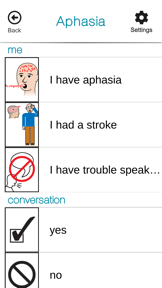

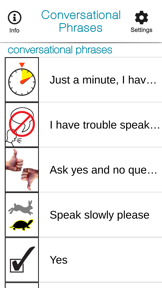
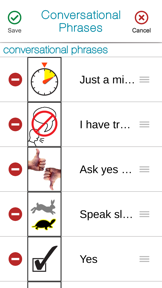
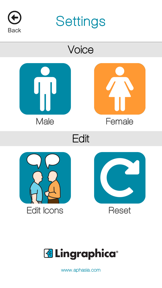












Snapshot
Who is Lingraphicare?
Providing specialized speech and language therapy tools for individuals recovering from stroke or traumatic brain injury. Supporting patients and clinicians with targeted, accessible rehabilitation exercises.
Target audience


Portfolio
Free 18Last updated

Lingraphica TalkPath Therapy
v3.1.1
6y ago
Publisher DNA
What defines Lingraphicare?
Publisher DNA
Primary focus
Medical speech and language therapy tools
Scale
studio
Target audience
Stroke survivors, individuals with aphasia or speech impairments, their caregivers, and professional speech-language pathologists.
Signature Patterns
- •Strict focus on the Medical category, specifically speech and language rehabilitation.
- •Monetization model is entirely free, prioritizing accessibility over direct revenue.
- •High degree of specialization, with apps targeting specific motor functions like phonemes or oral motor exercises.
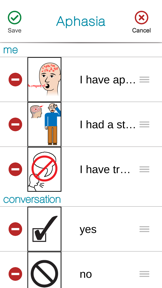
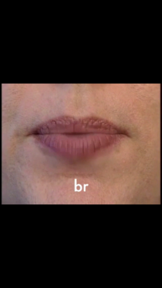
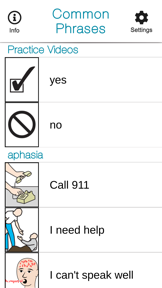
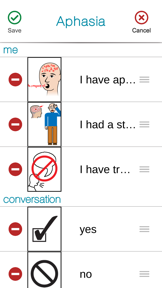
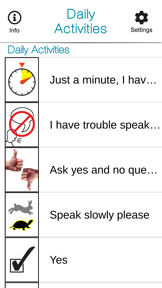
- •Interface design centers on tap-to-speak icons and video-based instructional content.
Portfolio momentum
With zero releases in the last 6 months and 17 out of 18 apps categorized as abandoned, the publisher is currently in a maintenance-only phase.
Portfolio
What does Lingraphicare ship?
Apps


Single-market publisher, every app ships only to United States.
Based on 1 of 18 apps with localized market data, more coverage rolling in as scans complete · last scanned .
Americas (1)
- United States1 / 1
Core markets (1/1 apps)
Rivals
Who does Lingraphicare compete with?
The rivals identified
Nemeses(1)


Both apps target stroke survivors and individuals with aphasia, creating direct competition within the speech rehabilitation and communication support market.
Contenders(6)


Both apps target stroke and aphasia recovery, but Constant Therapy offers a clinical-grade, adaptive exercise library while SmallTalk focuses on immediate communication assistance.


Both applications utilize video-based articulation exercises to assist with speech development or recovery, targeting users seeking speech therapy tools.


Both applications target individuals with aphasia and speech challenges, competing for the same user base seeking speech therapy and communication support.


Both apps target stroke survivors and individuals with aphasia, competing for the same recovery-focused user base through free-to-access speech and cognitive therapy tools.


Both apps target individuals with aphasia and provide free tap-to-speak communication tools for daily interaction.


Both applications target speech-language pathology professionals, creating competition for clinical utility despite different primary user bases of stroke survivors versus children.
Same space(16)


Offers a lifetime purchase model that removes the recurring costs often found in other AAC apps, appealing to long-term users.


Adapts to user vocabulary patterns using AI, providing a more automated sentence-building experience than the source app.


Simplifies the communication process with an offline-first approach, serving as a reliable backup for the source app.


Offers multilingual support and AI prediction, catering to a broader international audience than the source app.


Focuses on daily speech practice and rhythm training, serving as a companion tool for users already using the source app for communication.


Prioritizes privacy and simplicity by removing account requirements and ads, appealing to users seeking a distraction-free communication tool.


Offers hands-free communication options for users with limited motor control, complementing the source app's touch-based interface.


Positions itself as a cost-effective alternative to subscription-based AAC tools, targeting the same aphasia and stroke recovery audience.


Replaces the child-centric design of many AAC apps with a professional interface, directly addressing the aesthetic needs of adult aphasia patients.


Leverages advanced device-native voice synthesis to provide a more personalized audio output for adult users.


Targets the early speech development market, providing a pedagogical alternative to the source app's focus on adult aphasia recovery.


Serves the same speech-impaired demographic with a text-to-speech focus rather than the visual articulation training found in the source.


Provides a comprehensive rehabilitation management system, including medical tracking, which complements the source app's communication-specific features.


Uses a level-based progression system to help users build communication skills, providing a structured learning path.


Provides a dynamic, color-coded vocabulary system based on the Fitzgerald Key, offering a more structured linguistic approach than the source.


Uses head tracking to enable communication for users with severe motor impairments, expanding beyond the source app's touch-only interaction.
New entrants(2)


Provides a comprehensive sentence-building tool for adults, offering more complex linguistic capabilities than the source app.


Focuses specifically on adult communication needs with a large library of practical phrases, aligning with the source app's target demographic.
The Analyst's Read
The bottom line on Lingraphicare
Bottom line
Lingraphicare maintains a highly specialized, mission-driven portfolio that serves a critical niche in medical rehabilitation. While the lack of recent updates suggests a legacy product state, their established library remains a primary resource for speech-language pathology support.
Frequently asked questions
How many apps does Lingraphicare publish?
What kind of apps does Lingraphicare make?
What is Lingraphicare's top app?
In how many countries are Lingraphicare's apps available?
What fed this analysis
- Apps analyzed:
- 18
- With full intel:
- 0
- With overview:
- 18
- Website scraped:
- yes
- Social presence:
- yes
