


Tactus Therapy Solutions
For stroke and brain injury survivors with aphasia or apraxia, and the speech-language pathologists (SLPs) who treat them.
 Language Therapy 4-in-1








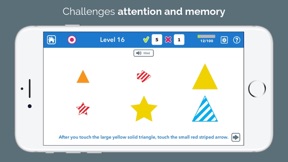


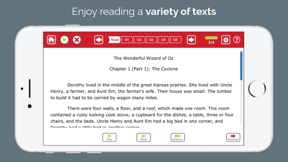
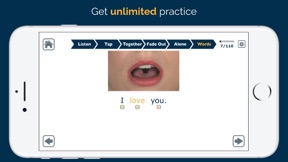

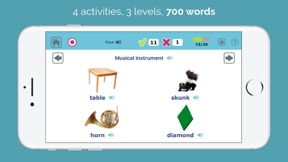


Snapshot
Who is Tactus Therapy Solutions?
Providing digital, evidence-based speech therapy tools for stroke survivors and clinicians to replace traditional physical rehabilitation aids.
Target audience


Portfolio
Free 8Last updated

Language Therapy 4-in-1
v4.12
9mo ago
Publisher DNA
What defines Tactus Therapy Solutions?
Publisher DNA
Primary focus
Digital speech-language pathology and stroke rehabilitation tools
Scale
studio
Target audience
Stroke and brain injury survivors with aphasia or apraxia, and the speech-language pathologists (SLPs) who treat them.
Signature Patterns
- •Dual-track pricing strategy using 'Lite' freemium versions as lead magnets for high-ticket paid suites.
- •Clinical-first design language focused on utility and reporting for professional healthcare environments.
- •Modular product architecture where individual therapies (Reading, Naming, Comprehension) are sold both standalone and in bundles.
- •Consistent focus on evidence-based rehabilitation techniques such as VAST and Spaced Retrieval.
Portfolio momentum
Released 6 updates across the portfolio in the last 6 months with over 70% of the catalog currently active, indicating consistent maintenance of clinical tools.
Portfolio
What does Tactus Therapy Solutions ship?
Apps
31 apps analysed

One-time pricing model avoids subscription fatigue
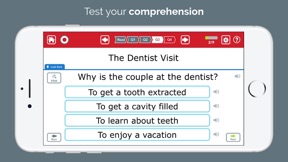
- Cognitive therapy exercises provide effective challenges for users managing mild comprehension deficits

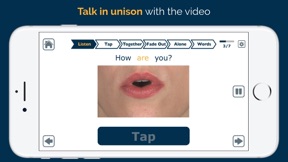
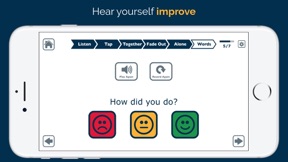
Take your aphasia therapy to the next level with 4 evidence-based advanced apps


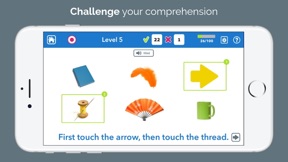

Take your aphasia therapy to the next level with 4 evidence-based advanced apps


Distributed across 13 markets, strongest in Asia-Pacific.
Based on 16 of 31 apps with localized market data, more coverage rolling in as scans complete · last scanned .
Americas (3)
- United States16 / 16
- Canada7 / 16
- Mexico6 / 16
Europe (5)
- Turkey8 / 16
- United Kingdom8 / 16
- France6 / 16
- Germany6 / 16
- Spain6 / 16
Asia-Pacific (5)
- Australia8 / 16
- India8 / 16
- Indonesia8 / 16
- Singapore8 / 16
- Vietnam8 / 16
Core markets (16/16 apps)
User Sentiment
How do users feel about their apps?
7
Positive apps
1
Neutral / mixed
0
Negative apps
83/100
Avg sentiment score
Rivals
Who does Tactus Therapy Solutions compete with?
The rivals identified
Nemeses(2)


Both apps target speech-language pathologists and patients recovering from neurological conditions, creating direct competition for clinical workflow integration.


Both apps compete for market share within the speech therapy category, targeting distinct age demographics through specialized clinical and educational methodologies.
Contenders(17)


Both applications target the aphasia recovery market, competing for the same clinical and patient user base through specialized language exercises.


Both apps target aphasia and language rehabilitation, competing for the same patient base seeking structured exercises for speech recovery.


Both apps target stroke and aphasia recovery, directly competing for the same patient and clinician demographic through specialized speech and language exercises.


Both apps target the speech therapy market, competing for caregiver and professional attention despite serving distinct demographics. Advanced Comprehension Therapy focuses on adult stroke and aphasia recovery, while SpeakEasy targets early childhood development for ages 0-5.


Both apps compete for visibility in the speech therapy category, though they serve distinct demographics: adult aphasia recovery versus pediatric language development.


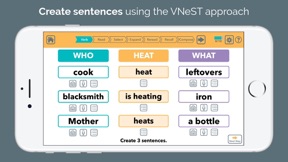
Facilitates sentence construction through a touch-based interface, focusing on developmental literacy similar to the source app's sentence builder.


Users report: Both apps compete for visibility within the speech therapy category, though they target distinct demographics: adult stroke survivors versus children aged one to eight.


Both apps target individuals managing speech and language challenges, including aphasia, creating direct competition for users seeking therapeutic recovery tools.


Both apps target stroke survivors requiring speech and reading rehabilitation, creating direct competition for users seeking recovery tools on mobile devices.


Both apps target speech-language pathologists and patients recovering from neurological events, competing for the same clinical budget and professional recommendation.


Both apps target adults recovering from neurological events like strokes, competing for the same patient and clinician base through specialized rehabilitation tasks.


Both apps target the same post-stroke and traumatic brain injury recovery demographic, creating a shared user base seeking rehabilitation tools.


Both apps serve the clinical rehabilitation and education sector, competing for the same professional and patient-focused therapy budget.


Stutter Stars competes for the same speech therapy audience by offering a free, gamified alternative to the clinical, paid model of Advanced Comprehension Therapy. The overlap exists in the shared goal of speech improvement, despite the difference in clinical focus.


Both apps target adults with neurological speech and language disorders, competing for the same clinical rehabilitation and communication utility budget.


Both apps compete for speech therapy budgets by offering multi-module toolkits, creating direct overlap in the clinical and home-based rehabilitation market.


Both apps target individuals requiring rehabilitation for cognitive or sensory deficits, creating overlap in the therapeutic tool category for speech and listening improvement.
Same space(33)


Provides a communication tool for individuals with speech impairments, serving as a functional alternative to the therapeutic focus of the source app.


Provides skill-specific reading practice for students, offering reporting dashboards that mirror the clinical tracking needs of the source app.


Targets early elementary reading comprehension through interactive passages, serving as a foundational literacy tool.


Focuses on reading speed and retention for general users, whereas the source app targets clinical rehabilitation.


Targets reading comprehension for general learners, lacking the clinical specialization for neurological recovery.


Rehabit focuses on the habit-formation aspect of stroke recovery, complementing the specific language-skill drills provided by Advanced Language Therapy.


This app serves as a comprehensive telehealth and resource hub for veterans, providing a broader management framework than the targeted language modules in Advanced Language Therapy.


Provides rehabilitation games for visual and motor recovery, targeting specific neurological deficits like hemianopia.


Uses AI for phonetic feedback to improve articulation, acting as a technical complement to the source app's therapeutic exercises.


Targets foundational literacy for early readers, whereas the source app focuses on adult neurological recovery.


Tests comprehension of user-provided text, serving as a general literacy tool rather than a clinical rehabilitation app.


Focuses on public speaking confidence and voice presence, acting as a complementary tool for users recovering speech clarity.


Offers communication pages for individuals with speech difficulties, serving as a functional tool for the same patient population.


Focuses on comprehensible input for language learners, contrasting with the clinical rehabilitation focus of the source app.


Offers cognitive training for brain injury recovery, serving as a broader neurorehabilitation tool than the source app.


Provides cognitive screening with real-life distractions, serving as a diagnostic tool for clinicians assessing cognitive performance.


Facilitates symptom reporting for patients with communication barriers, serving as a clinical utility for the same patient demographic.


Targets Parkinson's patients with speech exercises, sharing the clinical utility focus of the source app.


Acts as a clinical diagnostic tool for professionals, whereas the source app is a patient-facing rehabilitation tool.


Offers certified medical products for cognitive rehabilitation, covering domains like attention and language for neurological recovery.


Connects written and spoken words through sentence building, aligning with the source app's focus on listening and reading comprehension.


Provides augmentative communication for similar neurological conditions like autism and cerebral palsy.


Provides cognitive training modules that target attention and focus, serving as a broader neurological intervention for similar patient populations.


Prepares users for French oral comprehension tests, focusing on language proficiency rather than clinical rehabilitation.


This app addresses physical dexterity recovery, offering a complementary utility for stroke survivors who use Advanced Language Therapy for cognitive and speech rehabilitation.


Targets grammar and vocabulary development through gamified exercises, overlapping with the sentence-level training in the source app.


Provides reading practice for elementary students, lacking the clinical focus for adult neurological recovery.


Addresses reading comprehension for children, representing a developmental rather than clinical approach to language skills.


Combines speed reading with brain games for general users, contrasting with the clinical focus of the source app.


Provides structured reading practice for general literacy, lacking the clinical focus on neurological recovery.


Targets cognitive improvement for a general audience, overlapping with the neurological recovery demographic but lacking clinical specialization.


Provides communication support for patients with speech impairments, serving as a functional alternative to the source app's rehabilitation focus.


Serves the same hearing-impaired demographic as the source app but focuses on real-time transcription rather than clinical language exercises.
New entrants(4)


Targets adult English learners with structured practice, lacking the specific clinical focus on neurological recovery.


Uses delayed auditory feedback to assist with speech fluency, acting as a real-time tool for individuals with speech disruptions.


Focuses on active recall for sentence writing, providing a personalized review loop for language learners.


Provides voice-first reading support for students, serving as a functional tool for reading practice that lacks clinical neurological focus.
The Analyst's Read
The bottom line on Tactus Therapy Solutions
Bottom line
Tactus Therapy is a dominant specialist in the digital aphasia therapy space, successfully leveraging a high-trust clinical reputation to sustain a premium-priced portfolio. Their disciplined focus on the SLP-patient dyad provides a strong defensive moat against more generalized brain-training competitors.
Frequently asked questions
How many apps does Tactus Therapy Solutions publish?
What kind of apps does Tactus Therapy Solutions make?
What is Tactus Therapy Solutions's top app?
In how many countries are Tactus Therapy Solutions's apps available?
What fed this analysis
- Apps analyzed:
- 18
- With full intel:
- 2
- With overview:
- 18
- Website scraped:
- yes
- Social presence:
- yes
