


LucidMobile
For agricultural extension officers, researchers, biosecurity personnel, and amateur botanists requiring precise, attribute-based species identification.
 Pacific Pests Pathogens Weeds


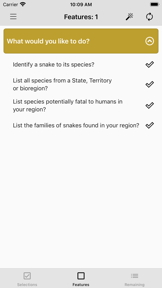
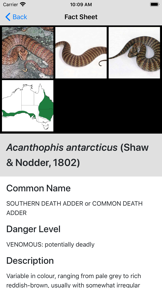


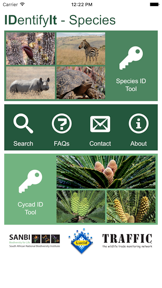


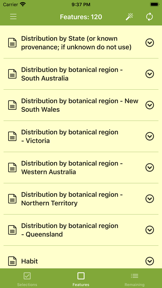


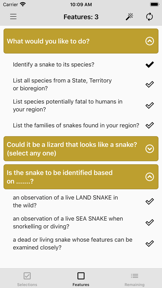


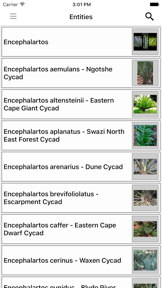

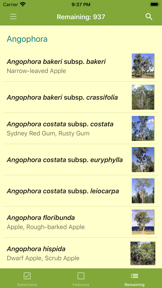


Snapshot
Who is LucidMobile?
Providing specialized identification and diagnostic tools for researchers, agricultural professionals, and field scientists. Enabling accurate species classification through interactive, data-driven mobile keys.
Target audience


Portfolio
Free 30Last updated

Pacific Pests Pathogens Weeds
v2.2.0.5
1.2y ago
Publisher DNA
What defines LucidMobile?
Publisher DNA
Primary focus
Reference tools for botanical and entomological identification
Scale
studio
Target audience
Agricultural extension officers, researchers, biosecurity personnel, and amateur botanists requiring precise, attribute-based species identification.
Signature Patterns
- •Heavy reliance on the proprietary Lucid interactive identification key framework.
- •Primary focus on agricultural, botanical, and biosecurity reference content.
- •Monetization is exclusively free, prioritizing utility and information dissemination over revenue.
- •Targeting professional and academic niches rather than general consumer markets.
Portfolio momentum
With zero releases in the last six months and 28 of 37 apps categorized as abandoned, the publisher is currently in a maintenance phase.
Portfolio
What does LucidMobile ship?
Apps
41 apps analysed


For visitors to Denali National Park & Preserve to learn about the flora.


Single-market publisher, every app ships only to United States.
Based on 2 of 41 apps with localized market data, more coverage rolling in as scans complete · last scanned .
Americas (1)
- United States2 / 2
Core markets (2/2 apps)
Rivals
Who does LucidMobile compete with?
The rivals identified
Nemeses(2)

Both apps target the fungi identification market, competing for the attention of field researchers and enthusiasts seeking mobile-based taxonomic reference tools.


Both applications target users seeking plant identification, though they diverge on methodology: one uses professional botanical keys while the other relies on camera-based image recognition.
Contenders(9)


Both applications provide identification tools for invasive plant species, targeting agricultural and environmental management practitioners.


Both applications target weed identification, but they serve distinct user bases: Environmental Weeds Australia provides professional botanical reference for researchers, while YardGuard targets residential garden maintenance.


Both applications target plant identification, but they serve distinct user bases: Environmental Weeds Australia provides professional-grade botanical keys for invasive species, while Easey Plant Identifier targets casual users through photo-based recognition.


Both applications target users seeking plant identification, though they differ in methodology: Environmental Weeds Australia uses a professional Lucid key for botanical accuracy, while Plant.ID relies on AI-based image recognition for casual identification.


Both apps target users seeking mushroom identification, but FunKey: Agarics of Australia focuses on technical taxonomic classification while Scan: Mushroom Identifier prioritizes rapid visual recognition and edibility status.


Both applications target users needing to identify invasive plant species, though they utilize distinct identification mechanisms: manual key-based classification versus AI-based image recognition.


Both applications target weed identification, though they serve distinct geographic and agricultural contexts. They compete for users seeking botanical reference tools for field identification.


Both applications target users seeking to identify invasive plant species, with Environmental Weeds Australia providing a professional botanical key and Weed Identifier offering AI-based image recognition.


Both applications target users seeking plant identification, though they diverge between professional botanical keys for invasive species and general-purpose AI recognition for household plants.
Same space(40)


Uses a quiz-based format to engage enthusiasts, providing a gamified alternative to the technical reference tool of the source app.


Combines identification with proactive health management, similar to the source app but with a broader gardening focus.


Focuses on quick photo-based identification for foragers, contrasting with the detailed, character-based taxonomic approach of the source app.


Expands the identification scope to include non-botanical subjects like insects and mushrooms, unlike the source app's weed focus.


Targets hikers and foragers with an offline-first tool, aligning with the utility-focused nature of the source app.


Targets cannabis enthusiasts with AI-powered identification, contrasting with the source app's focus on invasive species.


Targets the same nature-focused audience but emphasizes personal journal tracking over the technical identification keys of the source app.


Provides a paid, offline reference guide for enthusiasts, sharing the research-oriented focus of the source app.


Offers a free educational alternative for amateur mycologists, though it relies on image matching rather than the precise taxonomic keys of the source app.


Functions as a general-purpose plant care assistant, overlapping with the identification features of the source app.


Shares the offline-first philosophy of the source app but uses characteristic-based selection instead of taxonomic keys.


Focuses on map-based foraging discovery, which complements the identification-only utility of the source app.


Targets the same plant identification audience but shifts focus from professional botanical reference to consumer-facing diagnostic services.


Serves as a text-based manual for turfgrass management, acting as a static reference similar to the source app's fact sheets.


Shares the identification utility but adds a social photo feed, though it lacks the active development of the source app.


Offers an AI-powered assistant for foragers, contrasting with the manual, research-oriented keys of the source app.


Focuses on pest animal identification, providing a similar field guide utility for invasive species management.


Focuses on personal collection management rather than the professional identification focus of the source app.


Provides a large-scale plant database for matching environmental conditions, serving a similar reference purpose as the source app.


Leverages massive image datasets for identification, contrasting with the manual character-based keys of the source app.


Acts as a static reference guide for cannabis strains, lacking the interactive identification engine of the source app.


Offers a similar AI-driven identification utility but targets a more casual, ad-supported user base.


Focuses on maintenance scheduling and care reminders, extending beyond the source app's identification-only scope.


Serves as a portable digital library for the same enthusiast demographic, though it lacks the specialized taxonomic focus of the source app.


Targets the same foraging audience but uses an AI-first model instead of the manual taxonomic keys found in the source app.


Narrows the identification focus to cannabis strains, serving a different user segment than the source app's environmental practitioners.


Focuses on indoor plant health diagnostics, offering a more limited scope than the source app's field-based reference tool.


Provides an AI-based identification tool for enthusiasts, contrasting with the manual, research-focused keys of the source app.


Offers a high-volume database for identification, contrasting with the specialized Australian-only focus of the source app.


Offers an AI-based alternative for casual users who prefer instant photo recognition over the manual character-based keys of the source app.


Provides an AI-based identification tool for foragers, contrasting with the manual taxonomic keys of the source app.


Provides a general-purpose identification utility for hobbyists, lacking the specialized environmental focus of the source app.


Provides a broader social layer to the identification process, contrasting with the reference-only utility of the source app.


Expands the identification experience into a community-driven platform, differing from the standalone reference tool nature of the source app.


Provides a comprehensive gardening assistant utility that bridges identification and seasonal care planning.


Provides a camera-based identification tool for casual nature enthusiasts, contrasting with the technical, research-oriented nature of the source app.


Serves the same identification need but utilizes an aggressive subscription model that prioritizes monetization over the source app's reference focus.


Provides a filter-based identification tool for enthusiasts, mirroring the character-based approach of the source app.


Targets aquatic invasive species identification, mirroring the source app's focus on invasive plant management.


Serves as a regional reference guide for British fungi, mirroring the specialized regional focus of the source app.
New entrants(4)


Offers an all-in-one gardening assistant that includes identification and disease diagnosis features.


Provides a research-oriented identification tool linking to academic databases, aligning with the professional nature of the source app.


Provides a comprehensive identification tool for hikers and foragers, contrasting with the specialized taxonomic focus of the source app.


Offers a subscription-based identification tool for foragers, contrasting with the one-time purchase model of the source app.
The Analyst's Read
The bottom line on LucidMobile
Bottom line
LucidMobile is a niche utility publisher that has successfully digitized specialized diagnostic workflows for the agricultural and scientific sectors. Their long-term viability depends on maintaining the underlying Lucid platform, as their current release velocity suggests a shift toward long-term maintenance of existing assets.
Frequently asked questions
How many apps does LucidMobile publish?
What kind of apps does LucidMobile make?
What is LucidMobile's top app?
In how many countries are LucidMobile's apps available?
What fed this analysis
- Apps analyzed:
- 37
- With full intel:
- 0
- With overview:
- 37
- Website scraped:
- yes
- Social presence:
- no
