


MITSUO IMACHI
 Escape Game: BUDDHA HANGOVER













Publisher DNA
What defines MITSUO IMACHI?
AI intelligence is not yet available for MITSUO IMACHI. The portfolio data below is up to date.
Portfolio
What does MITSUO IMACHI ship?
Apps
6 apps analysed
Notepad feature allows players to track clues across sessions without losing their progress during play
- Clever and challenging puzzle designs keep players engaged throughout the long-form escape game experience
- Frequent application crashes during notepad usage force players to watch repeated advertisements upon restarting

A mystery puzzle escape game set in a restaurant floating on a lake.



Analysis in progress

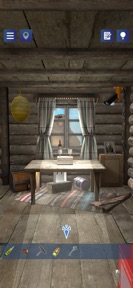
Mystery Puzzle Adventure. You wake up in a mysterious mountain cabin.


Analysis in progress

In-game notepad reduces player frustration during complex puzzles
- Challenging puzzle design forces players to think outside the box during late-game stages
- Lack of a dedicated audio toggle forces players to listen to repetitive background music

Analysis in progress
Tightly focused on 2 markets (Japan, United States).
Based on 4 of 6 apps with localized market data, more coverage rolling in as scans complete · last scanned .
Americas (1)
- United States4 / 4
Asia-Pacific (1)
- Japan4 / 4
Core markets (4/4 apps)
User Sentiment
How do users feel about their apps?
2
Positive apps
0
Neutral / mixed
0
Negative apps
85/100
Avg sentiment score
Rivals
Who does MITSUO IMACHI compete with?
The rivals identified
Nemeses(1)

Both apps target the casual puzzle-solving demographic through touch-based escape room mechanics, competing for time within the same mobile gaming category.
Contenders(9)


Both apps compete for the same mobile puzzle audience by offering free, narrative-driven escape experiences within confined settings.


Both apps target the narrative-driven puzzle market by utilizing room escape mechanics to deliver story-based progression.


Both titles compete for the casual escape room audience by offering free, tap-based puzzle experiences with built-in hint systems.


Both apps target the puzzle-solving escape room demographic with narrative-driven progression, competing for the same casual mobile gaming time.


Both apps compete for the same casual puzzle audience by offering free-to-play escape room experiences with hint systems and progress-saving mechanics.


Both apps target the casual escape game market using free-to-play, tap-only mechanics and a focus on puzzle-solving within a specific thematic setting.


Both titles compete for the casual escape room audience by offering free-to-play puzzle mechanics, though they differ in narrative structure versus level-based volume.


Both apps target the Japanese-language escape room puzzle market with free-to-play models, competing for players seeking atmospheric, puzzle-heavy experiences.


Both apps target the casual escape room puzzle market with narrative-driven progression, competing for the same time-constrained mobile player base.
Same space(12)


It shares the point-and-click adventure format but offers a more complex, multi-chapter narrative experience.


It challenges the same cognitive-focused audience through riddle-based scenarios rather than traditional room-escape mechanics.


It targets the same casual escape-room audience but prioritizes high-volume level counts and offline accessibility.


It competes for the same puzzle-enthusiast audience by offering a high-fidelity, tactile 3D experience.


It offers a similar escape-room experience focused on object interaction and code discovery within a confined setting.


It appeals to logic-puzzle fans by automating deduction tasks within a crime-themed grid format.


It provides a similar atmospheric escape experience with a focus on narrative-driven riddles and multiple endings.


It targets the same narrative-focused audience but expands the loop with renovation and match-three mechanics.


This app shares the core escape-room puzzle loop but scales content through a 50-level progression system.


It appeals to the same casual puzzle demographic by blending mystery-themed search mechanics with renovation.


It offers a similar room-escape loop but relies on a static, legacy content set from 2017.


It provides a classic room-escape experience centered on item collection and screen interaction.
