


National e-Governance Division
For indian citizens requiring authenticated access to government services, identity documents, and cross-language communication tools.
 DigiLocker


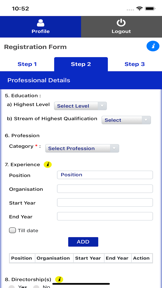


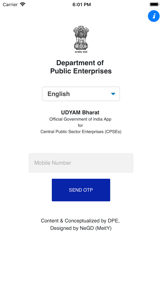


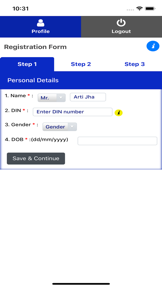


Snapshot
Who is National e-Governance Division?
Providing a unified digital interface for Indian citizens to access government services and secure identity documentation. Streamlining public service delivery through a centralized mobile-first ecosystem.
Target audience


Portfolio
Free 13Last updated

DigiLocker
v9.2.9
6mo ago
Publisher DNA
What defines National e-Governance Division?
Publisher DNA
Primary focus
E-governance and public service utility applications
Scale
indie
Target audience
Indian citizens requiring authenticated access to government services, identity documents, and cross-language communication tools.
Signature Patterns
- •Strict focus on free-to-use public utility and governance services
- •Heavy reliance on Digital India Programme integration
- •Mobile-first design for broad accessibility across diverse demographics
- •Portfolio split between high-traffic citizen utilities and niche internal learning management systems
Portfolio momentum
Released 26 updates across 12 apps in the last 6 months, indicating a high-frequency development cycle for their core utility and learning management platforms.
Portfolio
What does National e-Governance Division ship?
Apps
13 apps analysed


Real-time verification gateway reduces administrative overhead for government agencies
- Document retrieval functionality provides a convenient way for students to access educational marksheets and certificates
- Frequent forced logouts and authentication failures prevent users from accessing critical documents during urgent situations

User Sentiment
How do users feel about their apps?
0
Positive apps
0
Neutral / mixed
1
Negative apps
35/100
Avg sentiment score
Rivals
Who does National e-Governance Division compete with?
The rivals identified
Nemeses(1)


Both apps function as centralized digital vaults for administrative documents, competing for users who require secure, verified storage for personal and professional records.
Same space(3)


This utility acts as a specialized NFC reader for national identity cards, providing a technical bridge for cryptographic interactions that DigiLocker handles through its centralized portal.


This app provides a general-purpose document management utility that complements the government-issued document storage of DigiLocker by enabling active file editing.


Yoti provides a private, biometric-based identity verification service that functions as a parallel identity wallet for users seeking alternatives to government-managed platforms.
The Analyst's Read
The bottom line on National e-Governance Division
Bottom line
The publisher maintains a critical, government-backed monopoly on digital identity and service access in India. Their success is defined by institutional mandate rather than market competition, making them a unique case study in state-led mobile utility deployment.
Frequently asked questions
How many apps does National e-Governance Division publish?
What kind of apps does National e-Governance Division make?
What is National e-Governance Division's top app?
What fed this analysis
- Apps analyzed:
- 12
- With full intel:
- 1
- With overview:
- 12
- Website scraped:
- yes
- Social presence:
- yes
