


Scott Dodson
For smart home enthusiasts and users of Philips Hue, LIFX, or Nanoleaf systems seeking to extend their hardware functionality with ambient lighting effects.
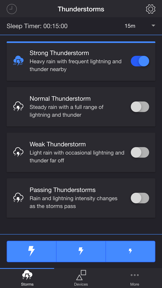
 Thunderstorm for LIFX







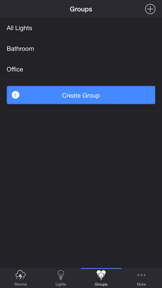
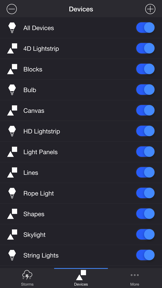

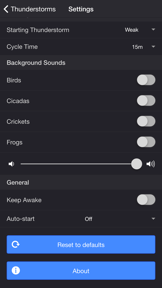


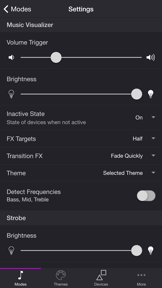


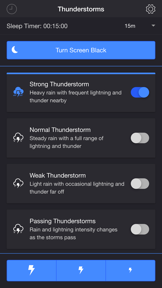


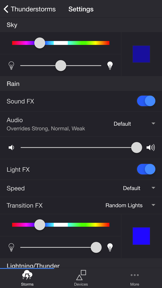

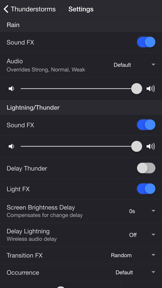
Snapshot
Who is Scott Dodson?
Enhancing smart home environments by synchronizing lighting systems with immersive, reactive audio-visual simulations.
Target audience


Portfolio
Free 3Last updated

Thunderstorm for LIFX
v4.88.0
6mo ago
Publisher DNA
What defines Scott Dodson?
Publisher DNA
Primary focus
Smart home lighting utility and ambient simulation apps
Scale
studio
Target audience
Smart home enthusiasts and users of Philips Hue, LIFX, or Nanoleaf systems seeking to extend their hardware functionality with ambient lighting effects.
Signature Patterns
- •Deep integration with specific smart lighting hardware ecosystems (Hue, LIFX, Nanoleaf).
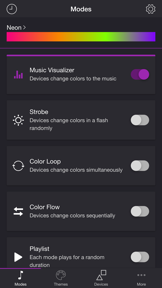
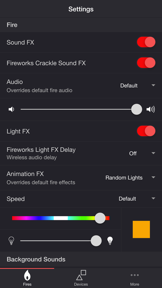
- •Focus on atmospheric and sensory simulation (storms, fire, music visualization).
- •Monetization split between premium paid apps and freemium ad-supported models.
- •Consistent release of platform-specific variants for the same core simulation logic.
Portfolio momentum
Released 12 updates across 12 apps in the last 6 months, indicating a high-frequency maintenance and development cycle.
Portfolio
What does Scott Dodson ship?
Apps
12 apps analysed


Single-market publisher, every app ships only to United States.
Based on 2 of 12 apps with localized market data, more coverage rolling in as scans complete · last scanned .
Americas (1)
- United States2 / 2
Core markets (2/2 apps)
Rivals
Who does Scott Dodson compete with?
The rivals identified
Nemeses(3)


Both apps compete for Philips Hue user attention by providing automated lighting control for home environments. They overlap in the smart lighting category, forcing users to choose between specialized storm simulations and general music-reactive lighting.


This app acts as the primary hub for managing Philips Hue lighting and security hardware.


The official Nanoleaf app competes directly by providing native management for the same hardware, capturing the user base before they seek third-party audio-reactive utilities.
Contenders(19)


This app provides professional-grade lighting synchronization for entertainment spaces.


This app provides dynamic lighting tracks and weekly scene updates for Hue users.


This app extends the concept of reactive lighting by using motion data from wearable devices to trigger light changes.


This app offers curated dynamic light scenes based on artist-sourced photography.


This app serves as a popular companion for Hue systems with a large user base.


This app provides direct control for Hue and LIFX lighting systems.


This app uses 3D-mapping to create room-aware lighting automation.


This app manages specific smart lighting hardware with a focus on circadian rhythm features.


This app synchronizes multiple lighting brands through environment-aware animations.


This app focuses on real-time music synchronization for smart lighting setups.


This app offers advanced automation features for Hue users beyond native capabilities.


This app delivers curated lighting palettes via a cloud platform.


Both apps target smart lighting users seeking music synchronization, but the rival offers broader hardware support across multiple brands like Philips Hue and Govee.


Both apps function as Bluetooth-based controllers for specific smart lighting hardware, competing for users seeking to manage light behavior via smartphone.


Both applications target smart lighting management, competing for users seeking to adjust ambient lighting via mobile interfaces.


Both apps target smart lighting users seeking control over LED hardware, with Soundstorm focusing on audio-reactive synchronization and the rival focusing on general color and brightness management.


Both apps target smart home lighting management, with Soundstorm focusing on audio-reactive Nanoleaf integration and the rival offering general-purpose scheduling and color presets.


Both applications target smart lighting users by providing music synchronization features for RGB hardware and LED strips.


Both apps target Philips Hue users seeking dynamic lighting, but SonicHue Sync captures the performance-oriented segment via MIDI integration while Firestorm for Hue focuses on ambient fire-themed presets.
Same space(38)

This app provides screen-based lighting effects that coexist with smart home environments.


Focuses on multi-device audio synchronization rather than hardware lighting control, acting as a social music companion.


Provides a multi-brand lighting control interface, focusing on ease of use for smart LED lamps and strips.


Users report: This app captures colors from the environment or photos to sync with Hue lights, providing a similar immersive visual experience.


This app provides basic BLE-based control for automotive LED systems, targeting a different physical environment than the source app.


Offers universal control for various RGB smart lights, providing a broader hardware compatibility scope than Nanoleaf-specific apps.


This app provides advanced automation tools for power users requiring granular control.


Provides music-reactive lighting for mobile devices, focusing on stadium-sized event utility rather than home automation.


Targets dark venue environments by turning phone screens into audio-reactive lights, bypassing the need for external smart bulbs.


This app occupies the same niche of hardware-linked light control, though it focuses on proprietary concert peripherals rather than home automation.


This app functions as a remote control surface for Hue lights.


This app targets the same mobile-first audio enthusiast demographic by providing sound production tools that complement the music-reactive lighting features of Soundstorm for Hue.


This app prioritizes interface navigation for Hue lighting control.


Focuses on real-time screen-based audio visualization, providing a software-only experience that complements ambient lighting setups.


Serves as a unified control hub for various smart lighting brands, simplifying management across different hardware ecosystems.


Acts as a proprietary hardware-software bridge for concert events, contrasting with general-purpose home lighting utilities.


This app targets the same Philips Hue bridge user base for party-oriented lighting, though it faces technical limitations.


Utilizes device hardware flashlights for strobe effects, offering a portable alternative to stationary smart lighting systems.


Offers a screen-based light show alternative to hardware-controlled smart lighting, focusing on local microphone input.


This app provides ambient visual content for screens, acting as a passive alternative to the active lighting simulations of the source app.


Offers a flexible connection approach for smart lighting, supporting Bluetooth, Wi-Fi, and Matter protocols.


This app serves as a digital art display tool that competes for the user's focus in home entertainment environments.


Acts as a multi-brand dashboard for smart lighting, though its subscription model creates friction compared to free manufacturer apps.


This app provides diagnostic tools for exploring Hue Bridge resources.


Provides broad hardware support for Wi-Fi and Bluetooth devices, offering a wider device compatibility range than specialized Nanoleaf tools.


Extends screen-based light effects to multi-device synchronization, providing a software-based party experience.


This app focuses on comprehensive automation for multiple Hue Bridges.


Provides basic smart bulb management, serving as a simplified alternative for users needing fundamental control over color and brightness.


This app controls vehicle interior lighting systems via direct device connection.


Provides similar light management functionality, including sound-controlled color changes and photo-based color selection.


Focuses on group management and room-based organization for smart lighting, offering a structured approach to home automation.


It serves as a functional alternative for users seeking sleep aids, expanding beyond the visual-only focus of Fire Simulator.


This app offers pre-programmed light shows for various smart lighting brands, serving as a content-focused alternative to real-time reactive apps.


This app targets the same sleep-hygiene audience as Fire Simulator but adds active sleep cycle monitoring and data-driven insights.


Provides remote ambiance control for LED setups, though its lack of updates limits its long-term reliability.


This app offers a similar thematic experience to the source app but focuses on screen-based simulation rather than smart home lighting integration.


Offers broader light management features like photo-based color changing, expanding beyond simple audio-reactive modes.


This app focuses on automotive interior lighting control, representing a specialized hardware-specific niche distinct from home lighting.
New entrants(2)


Provides a software-only light show using the device screen, acting as a portable alternative to smart lighting hardware.


Focuses on social music listening rather than lighting control, serving as an adjacent entertainment app for music lovers.
The Analyst's Read
The bottom line on Scott Dodson
Bottom line
The publisher has successfully captured a loyal user base within the smart home niche by providing high-utility, hardware-integrated experiences. Their ability to maintain active development across a dozen specialized apps suggests a sustainable, low-overhead model that thrives on platform-specific demand.
Frequently asked questions
How many apps does Scott Dodson publish?
What kind of apps does Scott Dodson make?
What is Scott Dodson's top app?
In how many countries are Scott Dodson's apps available?
What fed this analysis
- Apps analyzed:
- 12
- With full intel:
- 0
- With overview:
- 12
- Website scraped:
- yes
- Social presence:
- yes
