


Sergei Shpygar
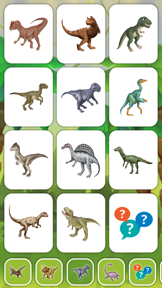
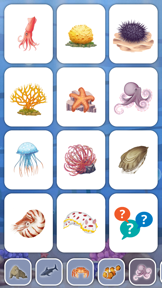
For travel enthusiasts and domestic tourists interested in documenting personal history, alongside parents seeking simple educational content for toddlers.
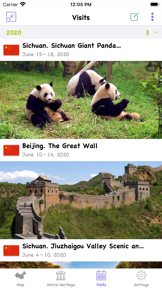
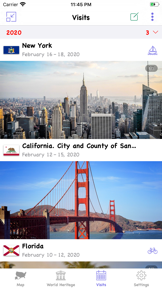
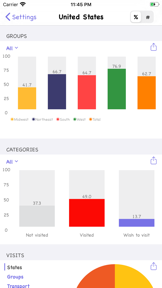
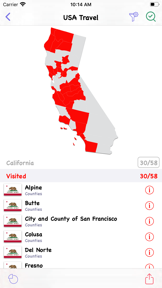
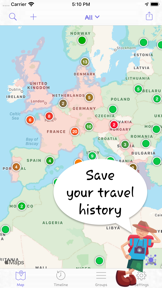
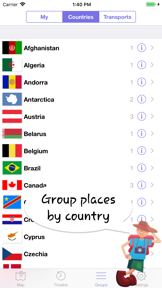
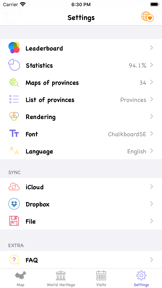
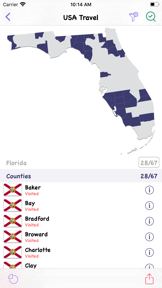
 Mark O'Travel: Where I've Been



































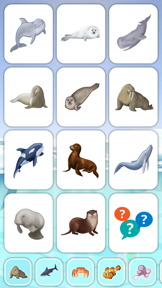




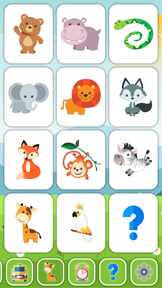

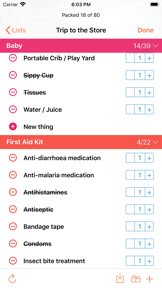


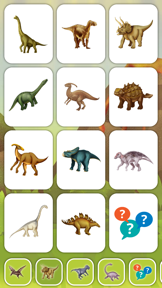





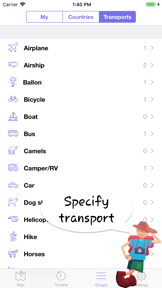
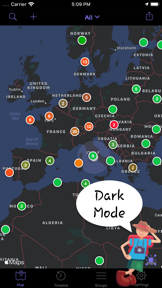
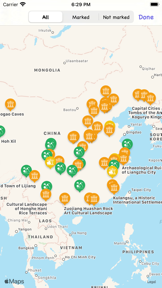


Snapshot
Who is Sergei Shpygar?
Enabling travelers to document and visualize their global journeys through interactive mapping tools. Also provides utility and educational apps for daily productivity and early childhood learning.
Target audience


Portfolio
Free 11Last updated

Mark O'Travel: Where I've Been
v3.7.6
5mo ago
Publisher DNA
What defines Sergei Shpygar?
Publisher DNA
Primary focus
Travel tracking and educational tools
Scale
indie
Target audience
Travel enthusiasts and domestic tourists interested in documenting personal history, alongside parents seeking simple educational content for toddlers.
Signature Patterns
- •Strong focus on geographic visualization and travel history documentation.
- •Freemium or free-to-use model for travel apps, with paid utility extensions.
- •High frequency of regional-specific travel apps (USA, China, Russia).
- •Simple, functional UI design focused on data entry and map interaction.
Portfolio momentum
Released 8 updates across 12 apps in the last 6 months, with the most recent major update occurring 4 days ago.
Portfolio
What does Sergei Shpygar ship?
Apps


Tightly focused on 5 markets (Canada, France, Germany, Italy, United States).
Based on 1 of 12 apps with localized market data, more coverage rolling in as scans complete · last scanned .
Americas (2)
- Canada1 / 1
- United States1 / 1
Europe (3)
- France1 / 1
- Germany1 / 1
- Italy1 / 1
Core markets (1/1 apps)
Rivals
Who does Sergei Shpygar compete with?
The rivals identified
Nemeses(4)


Competes in the personal travel mapping space with a focus on manual curation.


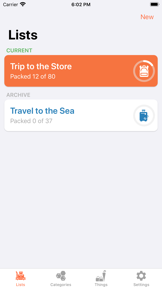
Both apps target travelers managing trip logistics, though Tripsy captures the broader itinerary management segment while ToPack focuses on manual packing lists.


Both applications target travelers seeking to visualize and document visited locations on a personal map, competing directly for users who want to track their travel history.


Both apps occupy the keyboard extension category, competing for limited mobile input real estate by offering specialized tools for mathematical tasks.
Contenders(28)


Both applications target travelers seeking to document and visualize global history, competing directly for users who prioritize personal travel mapping and trip planning.


Both applications target users seeking to visualize travel history on a map, with both offering free access and location-based logging.


Provides a minimalist tool for tracking country-level travel achievements.


Both applications target travelers seeking to visualize visited locations on a map, sharing a core utility of travel documentation and bucket list management.


Both applications target travelers seeking to visualize personal history on a map, competing for the same user base interested in country-level tracking.


Both applications target travelers seeking to visualize their history, competing directly for users who want to document visited locations through different input methods.


Both apps target travelers seeking to visualize and document their history, creating direct competition in the travel-tracking utility space.


Both applications function as travel-tracking utilities that allow users to visualize visited locations and maintain travel statistics through interactive mapping.


Both applications target travelers seeking to visualize and document their personal travel history through map-based interfaces.


Both apps target travelers needing packing organization, with Packaholic offering free template-based lists that compete directly with ToPack's manual list management.


Both apps target travelers needing structured packing checklists, with Pack competing via a free, minimalist interface that contrasts with the paid, utility-focused approach of ToPack.


Both apps target travelers documenting journeys, but Routed automates entry via photo metadata while Russia Travel requires manual input.


Both apps target travelers needing packing organization, but the rival captures users through social collaboration and pre-populated item categories that reduce manual input.


Both applications target users seeking to visualize personal travel history and document visited locations through free map-based interfaces.


Travel Planner – Trip Way competes for the same travel-planning audience by offering itinerary organization and map visualization, which overlaps with the trip-management utility provided by ToPack.


Both apps target travelers needing packing checklists, but Packr automates list generation via weather and activity data while ToPack relies on manual list creation.


Both apps target travelers managing packing checklists, with Pack This capturing group trip organizers through collaborative features and a larger user base.


Bagio competes for the same travel-planning audience by offering automated list generation based on trip parameters, whereas ToPack relies on manual list creation.


Both applications target travel enthusiasts seeking to visualize and document their journeys through interactive mapping tools. They compete for the same user base interested in tracking visited locations and maintaining travel statistics.


Both applications target travelers seeking to visualize and log their history on a map, competing for the same user base through free travel tracking tools.


Both apps target travel enthusiasts seeking to log and visualize visited locations, creating direct competition for users interested in personal travel history documentation.


Both apps target travelers seeking to document and visualize their journeys through interactive maps and personal logs.


Both applications target travelers seeking to visualize and log their movement history on interactive maps. They compete for the same user base interested in personal travel statistics and location-based documentation.


Both apps target travelers needing packing checklists, with overlapping functionality in template-based list creation and organization.


Both applications target travelers documenting international trips, competing for users seeking to visualize their global footprint through travel history.


Both apps target travel enthusiasts seeking to visualize geographic history, creating direct competition for users who prioritize personal travel documentation.


Both apps target travelers managing packing requirements, with Roam offering automated list generation based on trip parameters while ToPack focuses on manual list management.


Both apps target travelers managing packing requirements, but PackPoint automates list generation based on trip parameters while ToPack relies on manual list construction.
Same space(45)

Wanderlog provides map-centric planning that functions as a broader travel hub, whereas ToPack focuses specifically on the pre-trip packing phase.


Provides a specialized utility for travelers managing residency and visa compliance.


Stippl offers a dynamic engine for multi-city logistics that travelers might use alongside ToPack to manage their schedule versus their gear.


TripIt serves the same traveler audience by automating itinerary management, which complements the manual packing checklists found in ToPack.


Targets the residency compliance segment with an offline-only tracking architecture.


Targets travelers seeking inspiration and map-based tracking.


This app targets students needing high-precision tools, contrasting with the keyboard-first approach of the source app.


Travelog adds AI-powered journaling to the travel-tracking experience to help users organize thoughts and photos.


This is a direct competitor in the keyboard-centric utility space, using expression-based input to reduce cognitive load.


Provides a specialized guide for the RV and camper travel segment.


Travel Tracker targets the same niche of regional tracking but focuses on gamifying progress across specific categories.


Offers adjacent aviation-focused utility for tracking flight paths.


Provides offline navigation utility for travelers needing to bypass connectivity gaps.


Serves as the primary global utility for aviation enthusiasts and frequent travelers.


TripCache provides an itinerary timeline that includes cancellation deadlines, offering a more granular document management system than ToPack.


This niche minimalist tool competes for quiet-environment usage, though it lacks modern feature updates.


Travel Tracker uses photo scanning to automate map building for users who want to visualize travel history.


This app competes for the same casual math user base but relies on high-frequency ads that create churn.


My Visited Countries provides a minimalist, ad-free alternative for users who prefer a static tracking experience.


This ad-free scientific calculator competes for users who prioritize clean interfaces over ad-supported alternatives.


Journi Blog extends travel logging into digital journaling and physical keepsakes for users wanting more than maps.


Offers travel mapping with social and educational features.


Mento focuses on quick, photo-based journaling for users who want to record specific memories.


States Visited provides a granular regional tracking experience for users focused on US-specific county and state exploration.


Provides a video-centric tool for mapping travel locations.


Provides adjacent flight status monitoring for travelers and those meeting passengers.


Travel Log App offers a paid, offline-capable logging tool for users who want to record specific trip details.


This is an adjacent keyboard utility that shares the same input method but focuses on language-specific script input.


Bridges social media discovery with map-based itinerary execution.


Polarsteps provides automated GPS tracking and social sharing for travelers who want to document journeys.


Been offers a similar country-tracking experience with a one-time purchase model for premium features.


This is an adjacent keyboard utility for special character input, targeting a professional design audience rather than math users.


Navigate to Photo bridges the gap between past travel memories and future navigation, serving as a utility for repeat travelers.


TripSpire targets the planning phase by aggregating travel recommendations from social media into organized wishlists.


Journi provides a visual atlas for tracking travel history and planning future destinations.


This app provides workspace management for tablet users, serving a different hardware-specific segment than the source app.


This widget-based utility competes for quick-access math tasks without requiring a full app launch.


Combines travel documentation with physical memento creation services.


Trip Plans acts as a repository for professional itineraries, serving travelers who need offline access to documents that ToPack does not manage.


TripHub provides a centralized space for group travel planning, overlapping with the organizational needs of ToPack users.


Focuses on progress metrics for tracking global travel history.


VisitAI targets the same travel-tracking market by allowing users to visualize global journeys on a map.


Provides connectivity utility for travelers needing internet access abroad.


This scientific tool competes for power users, though it currently faces churn from subscription gating of legacy features.


YouLi Trip focuses on group logistics for tour operators, providing a structured portal that manages tasks similar to ToPack's checklists.
New entrants(6)


Provides an offline-only tool for tracking country and territory visits.


Visited Map serves travelers who want to track regional exploration and compare progress on leaderboards.


World Map provides a tracking tool for countries and regions with a mandatory paid purchase model.


Pintrips allows users to collect and organize travel ideas from various sources, serving as a discovery tool before packing begins.


Tripist focuses on turning travel ideas into clear plans, offering a visual alternative to the list-based approach of ToPack.


Provides a personal travel logging tool with timeline visualization.
The Analyst's Read
The bottom line on Sergei Shpygar
Bottom line
The publisher has successfully captured a niche in personal travel documentation with high-rated, category-specific mapping tools. Their ability to maintain a consistent update cadence across both travel and educational segments suggests a disciplined, albeit fragmented, development approach.
Frequently asked questions
How many apps does Sergei Shpygar publish?
What kind of apps does Sergei Shpygar make?
What is Sergei Shpygar's top app?
In how many countries are Sergei Shpygar's apps available?
What fed this analysis
- Apps analyzed:
- 12
- With full intel:
- 0
- With overview:
- 12
- Website scraped:
- yes
- Social presence:
- no
