


Simon & Schuster
For busy adults and travelers seeking conversational proficiency through hands-free, 30-minute daily sessions.
 Pimsleur | Language Learning








Snapshot
Who is Simon & Schuster?
Facilitating conversational fluency in over 50 languages through a time-efficient, audio-first methodology designed for mobile learners.
Target audience


Portfolio
Free 9Last updated

Pimsleur | Language Learning
v7.8
3mo ago
Publisher DNA
What defines Simon & Schuster?
Publisher DNA
Primary focus
Audio-based language learning
Scale
indie
Target audience
Busy adults and travelers seeking conversational proficiency through hands-free, 30-minute daily sessions.
Origin
Based on the Pimsleur Method, a language acquisition program developed to emphasize memory and pronunciation.
Signature Patterns
- •Audio-centric instructional design emphasizing pronunciation and listening
- •Subscription-based monetization model with multi-user access tiers
- •Hands-free and offline functionality optimized for mobile use cases like commuting
- •High-frequency update cadence focused on iterative performance improvements
Portfolio momentum
The publisher maintains an intense development pace with 10 updates in the last 6 months for its sole active title.
Portfolio
What does Simon & Schuster ship?
Apps
9 apps analysed

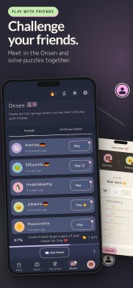
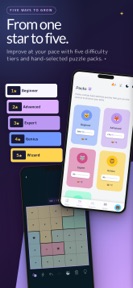
Daily puzzle cadence sustains long-term user retention
- Challenging logic puzzles provide a deep mental workout that keeps puzzle enthusiasts engaged for long sessions
- Forced advertisements appearing after every level disrupt the flow and frustrate users who previously enjoyed an ad-free experience

Tired of Sudoku? Try Stradoku, a tricky logic number puzzle with daily games


Competitive leaderboards drive session frequency
- The unique puzzle mechanics provide a refreshing and less tedious alternative to traditional number grid games
- Inconsistent save states for daily challenges cause players to lose progress when switching between devices or sessions

Analysis in progress
Reach conversational fluency with language audio lessons. Easy speaking practice


CarPlay and Android Auto integration secures high-value commuter usage time.
- Audio-based language lessons allow users to practice effectively while driving or walking the dog
- Offline download functionality fails when users regain cellular service, causing data loss and frustration

Easy conversation & speaking practice, conversational fluency with audio lessons


Spaced repetition technique builds speaking confidence without rote memorization
- The audio-based conversational method effectively builds speaking confidence and fluency for learners during daily commutes
- Technical instability including frequent crashes and session timeouts disrupts the learning flow during daily lessons
Distributed across 19 markets, strongest in Europe.
Based on 6 of 9 apps with localized market data, more coverage rolling in as scans complete · last scanned .
Americas (4)
- United States6 / 6
- Brazil5 / 6
- Mexico5 / 6
- Canada2 / 6
Europe (8)
- France5 / 6
- Portugal5 / 6
- Spain5 / 6
- Germany3 / 6
- Italy3 / 6
›+3 more europe markets
- Netherlands2 / 6
- Turkey2 / 6
- United Kingdom2 / 6
Asia-Pacific (7)
- South Korea5 / 6
- Japan3 / 6
- Australia2 / 6
- India2 / 6
- Indonesia2 / 6
›+2 more asia-pacific markets
- Singapore2 / 6
- Vietnam2 / 6
Core markets (6/6 apps)
User Sentiment
How do users feel about their apps?
3
Positive apps
2
Neutral / mixed
1
Negative apps
59/100
Avg sentiment score
Unlock the app dragging this portfolio down.
Access the full report for freeRivals
Who does Simon & Schuster compete with?
The rivals identified
Nemeses(2)

Both apps target language learners seeking conversational fluency, with Praktika using AI avatars to compete for the same high-intent user base that Pimsleur serves via its proprietary audio-first method.


Both apps target commuters and busy professionals seeking conversational fluency through audio-first, speaking-based lessons. They compete directly for the same high-intent user base that prioritizes verbal output over traditional text-based learning.
Contenders(15)


Babbel competes for the same adult language-learning demographic by offering short, 15-minute interactive lessons that target conversational proficiency, directly challenging Pimsleur's focus on spoken fluency.


Learna competes for the same high-intent language learner demographic by replacing Pimsleur's audio-first method with an AI-driven chat tutor.


Duolingo competes for the same language-learning audience by offering a lower-friction entry point through its freemium model, contrasting with the subscription-only barrier of Pimsleur.

known for HelloTalk - Language Learning
HelloTalk offers a social-first alternative to Pimsleur's solitary audio method by connecting users with native speakers for exchange.


Both apps compete for the same language-learning time, though they diverge between Pimsleur's structured audio-first pedagogy and HelloTalk's social-based language exchange model.


Both apps target high-intent language learners seeking conversational fluency, competing for the same user segment despite differing in their reliance on proprietary audio-first pedagogy versus human-led marketplace tutoring.


Both apps target high-intent learners focused on professional and travel fluency, competing for the same subscription-based revenue stream.


Busuu and Pimsleur compete for the same language-learning audience, but they diverge on delivery: Busuu uses a community-based feedback model while Pimsleur relies on a proprietary audio-first pedagogy.


Both apps target high-intent learners seeking professional or travel-related fluency, competing for the same subscription-based revenue stream in the Education category.


Memrise competes for the same language-learning audience by offering specialized courses for goals like travel and career advancement. It challenges Pimsleur by providing visual context through native-speaker videos rather than relying solely on audio.


Pingo AI competes for the same language-learning audience by offering conversational practice, directly challenging the Pimsleur Voice Coach AI feature with a free-to-use model.


Ling competes by offering a 70-language library that includes rare regional dialects, capturing learners who find Pimsleur's more limited, curated catalog insufficient for their specific heritage or travel needs.


Both apps target language learners seeking conversational fluency, with Pimsleur focusing on audio-first pedagogy and Talkpal on AI-driven conversational roleplay.


Both apps compete for time spent on conversational fluency, targeting users who seek AI-driven speaking practice to improve their language skills.


Both apps target adult language learners seeking daily progress, competing for time-constrained users who prioritize quick, effective study sessions.
Same space(14)


This app addresses the same speaking anxiety as Pimsleur users by providing a 24/7 AI coach for pronunciation feedback.


YayTalk provides a similar conversational practice goal as Pimsleur but uses AI-persona interaction to lower the barrier for student-aged users.


Amiko targets the same conversational fluency goal as Pimsleur but replaces structured audio lessons with open-ended AI-friend conversations.


CrowSpeak provides a daily quest-based structure that contrasts with Pimsleur's repetitive audio drills by using authentic real-world content.


Uplingo provides a similar structured learning path as Pimsleur but incorporates AI-based guidance for grammar and vocabulary.


ELSA Speak targets professional language learners who require specific career-oriented content beyond Pimsleur's general conversational focus.


SpeakUp AI offers a similar 24/7 tutor experience to Pimsleur's AI coach, specifically targeting exam prep and professional fluency.


BetterSpeak serves the same adult learner segment as Pimsleur but shifts the focus from audio-only to interactive AI avatar-led sessions.


Immerse targets the same fluency goals as Pimsleur but integrates live instructor-led classes and potential wearable hardware support.


Langua competes by offering real-time AI conversation practice that functions as a more interactive alternative to Pimsleur's static audio.


Fluzy targets the same language learners as Pimsleur by replacing rigid audio lessons with AI-driven conversational practice.


Mandarin Chinese Audio Course mirrors Pimsleur's audio-first pedagogy but focuses exclusively on a single language with static transcripts.


LangGo serves as a digital companion for language learners, focusing on text-based AI interaction rather than Pimsleur's audio-first approach.


AI Foreign Language Tutor provides a mobile-first conversational interface that serves as a direct alternative to Pimsleur's voice coach.
New entrants(2)


LearnUp competes by offering an AI tutor that adapts to user goals, providing a more flexible conversational experience than Pimsleur.


Ziggy targets the same conversational confidence goal as Pimsleur but focuses on ASL through video-based lessons and smart review.
The Analyst's Read
The bottom line on Simon & Schuster
Bottom line
Simon & Schuster is a disciplined single-title publisher leveraging a legacy pedagogical moat to compete in the high-LTV language learning vertical. Their focus on the Pimsleur Method distinguishes them from gamified competitors by prioritizing utility and conversational outcomes over engagement loops.
Frequently asked questions
How many apps does Simon & Schuster publish?
What kind of apps does Simon & Schuster make?
What is Simon & Schuster's top app?
In how many countries are Simon & Schuster's apps available?
What fed this analysis
- Apps analyzed:
- 1
- With full intel:
- 0
- With overview:
- 1
- Website scraped:
- yes
- Social presence:
- yes
