


Stanislav Kondrat
For theological students, clergy, and academic scholars studying Koine Greek and Biblical Hebrew.
 Greek For All - Vocab






Snapshot
Who is Stanislav Kondrat?
Providing specialized language acquisition tools for students and scholars of ancient biblical texts.
Target audience


Portfolio
Last updated

Greek For All - Vocab
v1.4.9
6mo ago
Publisher DNA
What defines Stanislav Kondrat?
Publisher DNA
Primary focus
Biblical language education tools
Scale
indie
Target audience
Theological students, clergy, and academic scholars studying Koine Greek and Biblical Hebrew.
Signature Patterns
- •Focus on high-frequency lemma acquisition (800-1,000 word sets)
- •Hybrid monetization utilizing both upfront paid and freemium models
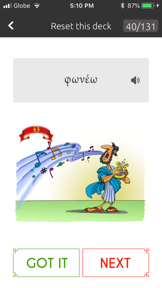
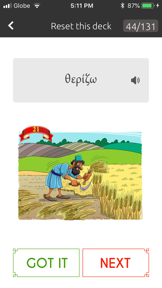
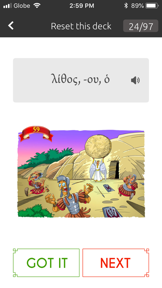
- •Integration of visual aids and audio pronunciation to support rote memorization
- •Niche targeting of ancient language learners rather than modern conversationalists
Portfolio momentum
The publisher maintains a steady development cycle with 4 updates across the portfolio in the last 6 months and two currently active titles.
Portfolio
What does Stanislav Kondrat ship?
Apps
5 apps analysed


Analysis in progress

Analysis in progress

Rivals
Who does Stanislav Kondrat compete with?
The rivals identified
Nemeses(2)

Both apps target users seeking vocabulary acquisition, though they differ in scope between specialized Biblical Greek study and general multilingual learning.


Fluza competes for the same language-learning audience by offering AI-driven speaking practice, while Biblical Hebrew Vocab targets users focused on mastering specific biblical lemmas and texts.
Contenders(11)


This app provides a general language learning framework that competes for the user's daily study habit.


Both apps provide vocabulary training for students, though they serve distinct academic niches: Biblical Greek versus secondary school curriculum.


Readle focuses on reading immersion, which serves as an adjacent practice method for students looking to apply their vocabulary in context.


Both applications target vocabulary acquisition, but they serve distinct niches: Greek For All - Vocab focuses on Biblical Greek study, while phase6 provides general vocabulary training aligned with German schoolbooks.


Both apps target language learners, though they diverge on methodology: Biblical Hebrew Vocab focuses on static biblical lemmas, while Verbi emphasizes conversational AI.


Both apps compete for the time and attention of language learners, despite serving distinct linguistic domains: Biblical Hebrew versus English communication. They overlap in the broader educational category where users seek tools for vocabulary acquisition and speaking practice.


Both apps target language learners using vocabulary-focused gamification. The rival competes for user attention by offering a free, high-volume vocabulary learning experience that overlaps with the target app's focus on memorization.


Both apps target language learners, with Biblical Hebrew Vocab focusing on specific biblical lemmas while Ling provides broad language acquisition tools.


Both apps compete for user time within the language learning category, targeting individuals seeking to acquire new vocabulary and linguistic skills.


Both apps target language learners, competing for time spent on vocabulary acquisition and linguistic practice.


Both apps utilize spaced repetition algorithms to facilitate vocabulary retention, competing for users seeking structured language memorization tools.
Same space(25)


AnkiDroid serves as a general-purpose spaced repetition engine that users often adopt for specialized subjects like Biblical Greek.


Quizlet acts as a broad study platform where students create or find sets for specific vocabulary, competing for the same study time as dedicated Greek apps.


Airlearn combines language modules with cognitive training, providing a broader educational experience than single-subject vocabulary apps.


Langla provides a broader AI-powered language coach that offers conversational practice beyond the specific domain of biblical vocabulary.


Babbel offers a structured, expert-designed curriculum that provides a more comprehensive language learning path than focused vocabulary tools.


Busuu offers a community-driven feedback model that complements the self-study approach of flashcard-based vocabulary apps.


Learna provides AI-driven conversation feedback that serves as a more interactive supplement to basic vocabulary study.


DuoCards allows users to build personal vocabulary decks from real-world content, offering a more flexible alternative to curated lists.


Duolingo competes for the same daily learning time by using gamified retention loops that contrast with the static flashcard model.


HelloTalk facilitates language exchange with native speakers, providing a social layer that static vocabulary apps lack.


BetterSpeak uses AI avatars to simulate conversation, providing a more engaging experience for adult learners than static flashcards.


This app offers a general flashcard creation tool that students use to memorize vocabulary across various subjects including languages.


Lingvano provides specialized sign language instruction, serving a distinct niche that requires gesture recognition rather than text-based vocabulary.


Memrise targets language learners who require specialized content, including Ancient Greek, using native-speaker video immersion.


This app provides a balanced language learning routine that includes vocabulary flashcards as one of its core pillars.


Hilingo provides AI-driven conversation practice that acts as a practical supplement for users building vocabulary.


Pingo AI focuses on conversational fluency through AI, serving as a high-intent alternative for users who have outgrown basic vocabulary drills.


Praktika offers AI-driven conversational practice that provides a more dynamic alternative to static vocabulary memorization.


Preply connects learners with human tutors, providing a high-efficacy alternative for those requiring personalized guidance beyond automated flashcards.


Shinobi offers an immersive approach to language learning through stories, which complements the rote memorization of vocabulary.


Speak prioritizes active speech, serving as a high-intensity alternative for users who have mastered vocabulary but lack conversational fluency.


Talkpal targets users seeking conversational fluency via AI, acting as a functional extension for those who have mastered basic vocabulary.


Tandem enables peer-to-peer language exchange, offering a social alternative to the solitary nature of flashcard-based vocabulary study.


Vaia provides an automated study environment that competes with manual vocabulary memorization by generating flashcards from user notes.


Duo Speak offers AI-powered speaking practice that serves as a practical application for vocabulary learned in static study apps.
New entrants(2)


DailySpeak replaces passive vocabulary drills with real-time AI conversation, serving as a more active learning alternative.


SayDuo offers personalized AI-driven conversation practice that helps users apply vocabulary in realistic scenarios.
The Analyst's Read
The bottom line on Stanislav Kondrat
Bottom line
Stanislav Kondrat is a disciplined indie publisher with a clear monopoly on a narrow academic niche. Their high weighted rating signals exceptional product-market fit among a loyal user base that prioritizes scholarly accuracy over broad-market features.
Frequently asked questions
How many apps does Stanislav Kondrat publish?
What kind of apps does Stanislav Kondrat make?
What is Stanislav Kondrat's top app?
What fed this analysis
- Apps analyzed:
- 3
- With full intel:
- 0
- With overview:
- 3
- Website scraped:
- yes
- Social presence:
- no
