

Sten Kaiser
For competitive athletes, coaches, and technical hobbyists requiring accurate measurement tools for performance tracking.
 SeeLevel - visual clinometer




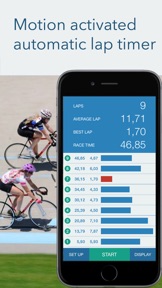


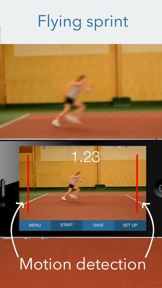
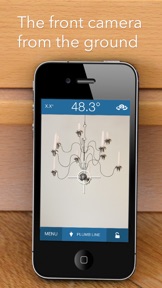


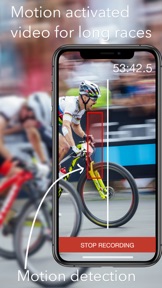

Snapshot
Who is Sten Kaiser?
Providing high-precision measurement and timing utilities for competitive athletes and sports enthusiasts.
Target audience


Portfolio
Free 2Last updated

SeeLevel - visual clinometer
v1.6.0
5.3y ago
Publisher DNA
What defines Sten Kaiser?
Publisher DNA
Primary focus
High-precision sports and utility instrumentation
Scale
indie
Target audience
Competitive athletes, coaches, and technical hobbyists requiring accurate measurement tools for performance tracking.
Origin
Operates under the appmaker.se brand, specializing in advanced iOS applications for sports and action.
Signature Patterns
- •Leverages iOS hardware sensors (camera, mic) for professional-grade measurements
- •Focus on technical sports niches like tennis, track, and field
- •Monetization strategy favors paid upfront models for specialized utility
- •Long-term product stability with infrequent but targeted updates
Portfolio momentum
Released 2 updates in the last 6 months with 80% of the portfolio currently in a maintenance or abandoned state.
Portfolio
What does Sten Kaiser ship?
Apps
10 apps analysed


Distributed across 6 markets, strongest in Americas.
Based on 7 of 10 apps with localized market data, more coverage rolling in as scans complete · last scanned .
Americas (2)
- United States7 / 7
- Mexico4 / 7
Europe (3)
- Spain4 / 7
- France3 / 7
- Germany3 / 7
Asia-Pacific (1)
- Japan2 / 7
Core markets (7/7 apps)
Rivals
Who does Sten Kaiser compete with?
The rivals identified
Nemeses(4)


Both apps target DIY and professional users needing portable inclination and leveling tools, competing directly on the utility of smartphone-based sensor measurement.


Both apps target racing enthusiasts for lap timing, but LapTracker uses camera-based motion detection while LapTrophy relies on GPS-powered tracking for performance analysis.


Both apps target coaches and event organizers needing visual documentation for performance timing. They compete for the same user base by offering integrated timing and visual capture tools.


Both apps utilize acoustic frequency analysis to measure tennis racquet string tension, directly competing for the same audience of competitive players and equipment enthusiasts.
Contenders(30)


Both apps target users requiring angle and slope measurement tools, competing for the same utility-focused audience on mobile platforms.


Both apps target users requiring portable angle measurement tools, competing for the same utility-focused audience on iOS.


Both applications target tennis players managing equipment maintenance and string tension history. They compete for the same niche user base seeking to track racquet specifications over time.


Both apps target tennis players managing equipment maintenance, but Tennis String Hub adds a marketplace layer for local service providers while RacquetTune focuses on acoustic diagnostic tools.


Users report: Both apps target the racing and performance-tracking market, though they utilize distinct technical approaches to capture lap data.


Users report: Both apps utilize acoustic frequency analysis to estimate string tension, directly competing for the attention of racket sports players who monitor equipment maintenance.


Both apps target the lap-timing market for racing enthusiasts, though LapTracker uses camera-based motion detection while LapMonitor relies on proprietary Bluetooth hardware.


Both apps target performance tracking for racers, though they rely on distinct technical mechanisms: camera-based motion detection versus GPS and sensor-driven automotive telemetry.


Both applications target racing enthusiasts for performance tracking, though they differ in their core technical approach to timing and data collection.


RacquetTuner targets the same tennis player audience by offering identical acoustic string tension measurement functionality. It competes directly by providing this utility for free, whereas RacquetTune charges a 2.99 dollar entry fee.


Both apps target DIY enthusiasts and professional builders with slope and angle measurement tools, competing for the same utility-focused user base on mobile platforms.


Both apps serve users requiring slope and inclination data, with SeeLevel providing general-purpose precision tools and Off-Road Inclinometer targeting vehicle-specific off-roading metrics.


LapSnap and LapTracker both target racing enthusiasts, but they diverge on technical implementation: LapSnap requires external telemetry hardware, while LapTracker relies on internal camera-based motion detection.


Both apps target tennis players managing equipment maintenance and performance, competing for the same user base interested in string tension and racquet management.


RacketTune competes for the same tennis enthusiast audience by offering overlapping functionality for tracking string tension and racquet specifications.


Both apps serve racing enthusiasts, but LapTracker uses camera-based motion detection for physical athletes while SmartRace Connect provides telemetry for digital slot cars.


Both apps target the same utility-focused audience on iOS by providing free surface and slope measurement tools for mobile devices.


Both apps target racing enthusiasts and athletes, competing for the same performance-tracking use case despite different technical approaches: camera-based motion detection versus GPS telemetry.


Both apps target tennis players tracking equipment maintenance, but RacquetTune uses acoustic analysis for diagnostics while String Master focuses on manual logging and restringing reminders.


Both applications target coaches and trainers managing multi-athlete timing, creating direct competition for the same professional user base.


Both apps target racing enthusiasts for lap timing, though RaceChrono Pro focuses on motorsports telemetry while LapTracker uses camera-based motion detection.


Both apps target users requiring slope and angle measurements, with SeeLevel providing a broad utility suite while Slope Calculation Tool focuses on specific ramp geometry calculations.


Both apps target competitive tennis players seeking to refine equipment specifications, with overlapping functionality in swingweight calculation and racquet customization.


Both apps provide camera-based lap timing for racing, targeting hobbyists who want to avoid purchasing dedicated hardware sensors.


Both apps target DIY and surveying users with free slope and angle measurement tools, creating direct competition for the same user base.


Both apps utilize acoustic analysis via the iPhone microphone to measure tennis racquet string tension, directly competing for the same user base of players monitoring equipment health.


Both apps target slope and inclination measurement, competing for users seeking portable, sensor-based angle detection tools.


Both apps utilize camera-based motion detection to provide lap timing, directly competing for the same hobbyist and athlete demographic.


Both apps target professionals and DIY users needing slope and angle measurement, competing for the same utility-focused user base.


Both apps target competitive tennis players and coaches who monitor equipment tension and lifespan, creating direct competition for the same user base.
Same space(54)

This tool focuses on GPS-based acceleration measurement for vehicles, serving as an alternative to camera-based lap tracking.


ArenaGear acts as a mobile command center for proprietary hardware, serving professional coaches who require physical timing gates.


Racquet serves the same racquet sports community by facilitating local match discovery and tournament organization.


This app provides a broad set of viewing options and slope calculations for general construction and surveying tasks.


This app provides data acquisition and performance analysis for drivers, focusing on vehicle grip limits rather than simple lap timing.


Perfect Stopwatch provides a free alternative for sprint timing, utilizing video analysis to address the inaccuracy of manual handheld stopwatches.


This tool provides a specialized angle measurement interface for the same construction and renovation user base.


This tool targets DIY users with a two-axis inclinometer for precise surface leveling.


This app provides remote camera control, which is a complementary utility for users setting up their own recording equipment for performance analysis.


Run Lap Tap focuses on cross-country and track lap timing, offering multiple input methods for coaches managing large groups.


Dash Timer serves the same competitive running audience but focuses on wearable-first utility for athletes who require haptic feedback during training.


This utility tracks fuel consumption for radio-controlled car hobbyists, providing data that helps racers manage performance across different conditions.


This app combines leveling with navigation tools for users requiring magnetic declination and true north readings.


Club Connect manages gym facility access and scheduling, serving a broader membership base than the specialized athletic testing focus of FitnessMeter.


EGYM Fitness serves as a digital interface for gym-based hardware, whereas FitnessMeter provides independent, camera-based performance metrics for athletes.


Focuses on glanceable speed monitoring, providing a simpler interface for drivers and cyclists.


This app targets the same sports-focused user base but shifts the value from race timing to visual performance analysis via AI-assisted shot tracing.


Fitness Park acts as a facility management tool for gym members, while FitnessMeter functions as a portable performance measurement device.


Provides an alternative speed tracking method using GPS sensors instead of camera motion detection.


Heja provides the communication infrastructure for the same sports teams that require SprintTimer for event-day performance metrics.


This app serves a niche professional audience by adding project management and multimedia documentation to standard clinometer measurements.


This app automates the starting process for individual track athletes, providing a specialized utility for solo training sessions.


Career Mode Tracker provides digital coaching for virtual football games, contrasting with FitnessMeter which measures physical athletic performance in reality.


This platform connects to track-side timing systems to provide live race data, serving as a primary information source for motorsports participants.


Multi-Timer bridges the gap between basic stopwatch utilities and professional performance analysis by allowing simultaneous tracking of multiple events.


This app targets the same DIY audience but expands utility through hardware-adjacent features like metal detection and AR distance tracking.


MatchTrack targets the same competitive tennis demographic by offering granular shot-type analysis and match logging.


SwimToolz is a niche timing utility tailored for swim coaches, focusing on goal-based feedback and stroke rate tracking.


GolfFix targets the same athlete audience by providing digital swing diagnostics, shifting the focus from equipment weight to mechanical form.


This app provides official race results and live timing for motorized sports, acting as a professional data source for racers and spectators.


FAT Timer provides a high-precision timing solution for meet organizers, using video recording to achieve professional-grade results.


This app offers a physical-feel interface with haptic feedback for users needing tactile confirmation during leveling tasks.


Serves the same utility-focused user base requiring real-time performance metrics for connectivity.


SubTime handles the logistical side of youth sports management, complementing timing apps by automating player rotations and roster organization.


XCMeet provides a specialized scoring utility for scholastic cross-country meets, replacing paper-based recording with barcode scanning.


Targets users needing physical measurement tools, shifting from speed to spatial dimensions.


Rematch captures video highlights for the same sports events where SprintTimer provides the official race timing data.


Tennis Neutral targets the same competitive player base by quantifying the impact of match results on skill ratings.


Best Stopwatch is a general-purpose timing utility that offers basic lap and split modes for users needing simple, color-customizable timing.


VidTimer focuses on the post-capture phase of performance analysis, providing tools to overlay and adjust timers on existing video footage.


Score Tracker Tennis & Padel serves the same active player base by providing digital scorekeeping and performance statistics.


Spinfire Pro 2 targets the same equipment-focused audience by providing software control for tennis training machines.


Spond manages the administrative logistics for the same youth and grassroots sports teams that use SprintTimer for race timing.


Stringlab addresses the same equipment maintenance need by providing a service-based solution for restringing.


Squad Timing digitizes meet-day operations for track coaches, focusing on data entry efficiency rather than the precision timing provided by SprintTimer Pro.


ProCam provides the manual hardware control necessary for high-precision photography, serving as a foundational utility for users who need more than the native camera app.


Trackman Golf serves the same golf-focused demographic by providing hardware-linked performance data, whereas SwingTool focuses on manual equipment customization.


Trackster serves as a data-entry funnel for a broader coaching platform, providing a free stopwatch utility for track and field sessions.


This app focuses on standard construction alignment tasks with a simplified, multi-orientation leveling interface.


Photo Finish offers an automated timing system that detects athlete chests via camera, providing a direct technological alternative to manual timing.


Webscorer offers a comprehensive race management platform that serves as a professional alternative for organizers needing registration and live results.


Toach serves the same technical-improvement audience by offering automated, sensor-free swing analysis.


AI Tennis Swing Coach complements equipment maintenance by providing biomechanical feedback for stroke correction.


Zepp Tennis Classic serves the same performance-tracking audience by providing hardware-based motion analytics for tennis technique.
New entrants(4)


Tennis String Tracker serves the same maintenance-focused audience by providing a manual log for monitoring string wear.


This app serves cross-country coaches who need individual split tracking for their team members during races.


This app extends basic leveling with camera-based laser alignment and specialized roof pitch ratios.


Tension Lab: Saitenspannung is a direct functional peer that uses the same acoustic analysis method for tension estimation.
The Analyst's Read
The bottom line on Sten Kaiser
Bottom line
Sten Kaiser is a specialized indie developer that successfully converts mobile sensors into professional-grade sports equipment. Their positioning relies on technical utility rather than high-frequency engagement, making them a benchmark for sensor-based sports applications.
Frequently asked questions
How many apps does Sten Kaiser publish?
What kind of apps does Sten Kaiser make?
What is Sten Kaiser's top app?
In how many countries are Sten Kaiser's apps available?
What fed this analysis
- Apps analyzed:
- 10
- With full intel:
- 0
- With overview:
- 10
- Website scraped:
- yes
- Social presence:
- no