


Stratospherix
For iT administrators, system engineers, and power users requiring secure, direct access to local and remote storage without intermediary cloud services.
 FileBrowserGO: File Manager




Snapshot
Who is Stratospherix?
Providing IT professionals and power users with robust tools for remote file management and server control across the iOS ecosystem.
Target audience


Portfolio
Free 3Last updated

FileBrowserGO: File Manager
vVARY
8mo ago
Publisher DNA
What defines Stratospherix?
Publisher DNA
Primary focus
Professional iOS utilities and network management tools
Scale
indie
Target audience
IT administrators, system engineers, and power users requiring secure, direct access to local and remote storage without intermediary cloud services.
Origin
Established in 2010 with the simultaneous launch of ServerControl and FileBrowser to address the lack of native network file access on early iOS devices.
Signature Patterns
- •Consistent premium 'paid' pricing model across the entire portfolio
- •Focus on agentless connectivity to remote servers and network-attached storage
- •High update frequency to ensure compatibility with evolving iOS and network protocols
- •Targeting professional and 'prosumer' audiences who avoid centralized cloud storage
Portfolio momentum
The publisher is extremely active, having released 18 updates across their portfolio in the last 6 months, with the most recent major release occurring only 10 days ago.
Company profile
medium confidence- Founded
- 2010
Portfolio
What does Stratospherix ship?
Apps
9 apps analysed

Professional-grade protocol support enables enterprise deployment into existing corporate infrastructure.
- Cross-platform file management capabilities allow users to bridge data between local storage and network shares
- Confusing product naming and separate purchase requirements for desktop versions frustrate users expecting a unified solution

Analysis in progress
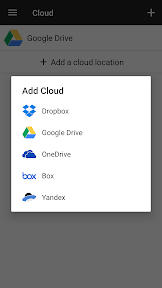
Fast, easy-to-use and full-featured file manager app with cloud integration.


Broad protocol support (SMB, FTP, S3) creates high switching costs
- Tabbed interface allows efficient file management by keeping source and destination folders open simultaneously
- Aggressive subscription paywalls block access to essential file management features for new users


Analysis in progress
Distributed across 10 markets, strongest in Europe.
Based on 3 of 9 apps with localized market data, more coverage rolling in as scans complete · last scanned .
Americas (3)
- Mexico3 / 3
- United States3 / 3
- Brazil1 / 3
Europe (6)
- France3 / 3
- Germany3 / 3
- Italy3 / 3
- Netherlands3 / 3
- Spain3 / 3
›+1 more europe market
- Portugal1 / 3
Asia-Pacific (1)
- Japan2 / 3
Core markets (3/3 apps)
User Sentiment
How do users feel about their apps?
1
Positive apps
1
Neutral / mixed
1
Negative apps
53/100
Avg sentiment score
Unlock the app dragging this portfolio down.
Access the full report for freeRivals
Who does Stratospherix compete with?
The rivals identified
Nemeses(3)

Both applications target professionals and power users requiring centralized file management across cloud and local storage, but the rival captures a broader audience through a free entry point and expanded productivity features.


Amerigo File Manager competes by offering a free, high-volume alternative that targets the same cloud-storage integration needs as FileBrowser Professional, specifically through iOS Files app integration and virtual folder organization.


Both apps target users managing local music libraries, but they differ in delivery: MusicStreamer focuses on direct network streaming from home hardware, while Offline Music Player focuses on cloud-imported file storage for offline listening.
Contenders(25)


Both apps target users managing local and remote file systems, with Phone Drive Pro undercutting the $7.99 price point of FileBrowser: Documents Manager at $4.99. This creates a direct acquisition conflict for users prioritizing cost over professional-grade network protocol support.


Both apps compete for users managing local and cloud-based storage, but the rival targets casual users through a free-to-start model while the source focuses on power users via a one-time purchase.


Both applications target users managing local files on mobile devices, though they diverge between professional network-protocol integration and casual web-based document saving. The rival competes by offering a free, browser-centric utility that captures the casual user segment.


Both apps target power users managing distributed file systems, with overlapping support for network protocols and cloud storage connectivity.


Both apps target users managing local, cloud, and network-attached storage, creating direct competition for the same file-management utility segment.


Both apps target users managing personal music collections, but they diverge on storage dependency: MusicStreamer focuses on local network streaming, while Listener relies on cloud storage integration.


Both apps target power users managing distributed cloud and local storage, but Total Files Pro captures a broader user base through a free pricing model and native iOS Files integration.


Both apps target mobile users needing network and local file management, creating direct competition for users seeking to consolidate storage access and file organization.


Both apps target professional users requiring mobile file management and cloud integration, creating direct competition for the same enterprise-focused user base.


Both apps target users managing self-hosted music libraries, competing for the same audience seeking alternatives to subscription-based streaming services.


Both apps compete for users needing to bridge files between mobile devices and computers, but File Transfer App captures the casual segment by removing the $7.99 entry cost and eliminating the need for software installation on the receiving device.


TeraBox challenges the market through aggressive storage capacity positioning, attracting users who prioritize volume over complex file management.


Both apps target users managing local music libraries on iOS, but MusicStreamer focuses on network-attached storage streaming while MusicBox focuses on direct device storage imports.


Both apps target users managing local music libraries, with MusicStreamer focusing on network-based streaming and jetAudio on audio customization and format support.


Both apps target users managing local music libraries on iOS, competing for the same audience seeking alternatives to cloud-based streaming services.


JPLAY competes for the same local file playback audience as MusicStreamer while expanding the scope to include Qobuz and Tidal streaming services within a single interface.


MEGA competes directly on the security-first file management niche, appealing to users prioritizing privacy over general productivity features.


Both apps target self-hosted music enthusiasts, but they differ in infrastructure: MusicStreamer connects directly to local network drives, while play:Sub requires a Subsonic-compatible server.


OneDrive serves as the primary cloud-storage alternative for enterprise and personal users, directly competing for the same file-access use cases.


Both apps target users managing large personal music collections, but MusicStreamer focuses on local network streaming while CloudBeats targets cloud-based storage integration.


Both apps target users managing remote file systems and network storage, creating direct competition for users seeking mobile access to NAS or cloud-based documents.


Both apps target users seeking alternatives to subscription-based streaming services, though MusicStreamer focuses on local file hosting while Demus targets content from existing video platforms.


Both apps target iOS users seeking music playback, but they diverge on source material: MusicStreamer focuses on local self-hosted files, while J Music relies on YouTube streaming.


Both apps target users managing local, cloud, and network storage, including FTP, SFTP, and SMB protocols. iFiles competes by offering a free, all-in-one media hub that captures casual users who find the $7.99 price point of FileBrowser prohibitive.


Both apps target users requiring file synchronization and access across devices, with Nutstore providing a cloud-based storage service while FileBrowser Professional acts as a client for existing network and cloud storage locations.
Same space(38)


Music/Video Player for YouTube acts as a streaming aggregator that competes for the same device storage-saving use case.


Integrates S3-compatible storage directly into the native file system, providing a direct experience for power users managing cloud infrastructure.


Audiomack offers a similar offline-first utility but captures the market through free distribution of emerging trends.


Audirvāna Remote is a high-fidelity control surface that competes for the same audiophile users who value bit-perfect playback.


Focuses on secure cloud backup and restoration, providing a simplified solution for users who need to protect their digital files.


Deezer provides a similar high-fidelity focus but uses a restrictive paywall to filter for high-intent users.


Focuses on knowledge management and document annotation, providing a specialized repository for researchers who require more than standard file management.


LyrPlay serves the same audiophile niche as MusicStreamer by providing a mobile-native interface for local media servers.


Offers remote monitoring and management for network-attached storage, serving as a specialized utility for users managing private server infrastructure.


Transfer acts as a legacy local-only alternative for users who prefer a dedicated staging area for file movement over FileBrowser's cloud-integrated approach.


Prioritizes privacy through client-side encryption, serving as a secure alternative for users who require zero-knowledge storage for sensitive files.


Enables custom form creation and data collection for business workflows, serving as a specialized tool for professionals who need to automate data entry.


Google Docs represents the primary alternative for cloud-based document creation and management within the productivity category.


MusiPlus targets the same music-listening audience but shifts the focus to AI-driven natural language discovery.


While primarily a scanner, its document management and cloud sync capabilities overlap with the file organization needs of our target audience.


Music : Offline Player is a direct substitute for users wanting to play local files without cloud-based subscriptions.


Centralizes file access from multiple cloud providers into a single dashboard, reducing the cognitive load for power users managing diverse storage accounts.


Combines web browsing with file management and a secure vault, serving as an all-in-one tool for users who need to download and store files from the web.


Music is a direct alternative for users seeking a minimalist interface for personal library management.


Acts as a temporary file shelf for iOS, facilitating the movement of items between applications and complementing FileBrowser Professional file management tasks.


Integrates cloud storage with an office editing suite, acting as an alternative for users who prefer an all-in-one document management and creation environment.


MuseScore serves the same music-focused audience but targets active practice rather than passive library streaming.


File Transfer targets the casual user base that FileBrowser risks losing by offering a browser-based, cable-free alternative for media sharing.


NASLink addresses the same professional network-management need as FileBrowser but offloads security to a specialized networking layer.


iPeng serves the same network-audio enthusiast audience but functions as a remote controller for specific hardware.


Provides remote desktop access, serving as a complementary tool for professionals who need to control their primary workstation while managing files via FileBrowser Professional.


Muziqi is a direct competitor for users managing local libraries who require advanced playback tools like gapless audio.


Provides a secure, PIN-protected locker for sensitive documents, catering to users who prioritize privacy over broad cloud storage features.


MaximumMPD provides a remote control interface for the same self-hosted audio audience as MusicStreamer.


Disk Decipher serves the same power-user segment as FileBrowser but focuses on mounting encrypted containers rather than general file management.


Offline Music Player & Media is a direct substitute for users seeking a local-first playback experience.


Adds an encryption layer to existing cloud storage, allowing users to secure sensitive files while maintaining compatibility with their current cloud providers.


Spotify competes for the same daily listening habit but relies on cloud-based discovery rather than local file management.


Musicana targets a specific nostalgic segment of the music-listening market through curated classic content.


TIDAL targets the same audiophile segment as MusicStreamer but uses high-fidelity streaming as its primary retention anchor.


NAS File Explorer provides a simplified, free alternative for the specific subset of FileBrowser users who only require remote NAS access.


Zing serves a specific demographic subset of the music-listening market through curated, culture-specific content.


WebDAV File Browser competes for the privacy-conscious segment of FileBrowser's audience by enforcing a strict local-only, zero-tracking architecture.
New entrants(5)


Docusign is expanding its utility from simple signing to a broader document management platform for professional users.


Notability is rapidly evolving into a comprehensive file and note management tool with high-velocity updates.


MusiPlayer competes for the same music-listening audience by prioritizing natural language search over traditional library navigation.


Music Player : Offline Videos is a direct substitute for users needing a simple, lightweight local playback utility.


Safer Clean targets the storage-management needs of FileBrowser users who prioritize automated cleanup over manual file navigation.
The Analyst's Read
The bottom line on Stratospherix
Bottom line
Stratospherix is a disciplined utility studio that has successfully defended its niche against native iOS improvements by offering superior network protocol support. Their intense maintenance velocity and consistent 4.6+ ratings signal a highly loyal user base within the IT administration and power-user segments.
Frequently asked questions
How many apps does Stratospherix publish?
What kind of apps does Stratospherix make?
What is Stratospherix's top app?
In how many countries are Stratospherix's apps available?
What fed this analysis
- Apps analyzed:
- 4
- With full intel:
- 0
- With overview:
- 4
- Website scraped:
- yes
- Social presence:
- yes