Symfonies
For android users seeking iOS-style aesthetics and cross-platform calendar synchronization for professional and personal use.
 iCalendar
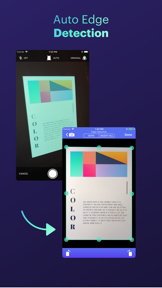


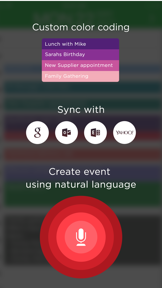


Snapshot
Who is Symfonies?
Providing Android users with iOS-inspired productivity utilities and streamlined organizational tools.
Target audience


Portfolio
Free 1Last updated

iCalendar
v5.5.4
2.3y ago
Publisher DNA
What defines Symfonies?
Publisher DNA
Primary focus
Productivity utilities with iOS-inspired design
Scale
indie
Target audience
Android users seeking iOS-style aesthetics and cross-platform calendar synchronization for professional and personal use.
Origin
Developed as a product arm of ITG Software (Infinite Tiers), a digital commerce and custom development firm.
Signature Patterns
- •Consistent use of iOS-inspired visual design and interface patterns
- •Focus on cross-platform synchronization with iCloud, Google, and Exchange
- •Monetization strategy centered on upfront paid models for core tools
- •Commitment to ad-free, privacy-centric utility experiences
Portfolio momentum
The publisher maintains a small portfolio with one update in the last six months, focusing on sustaining its established flagship titles.
Company profile
medium confidence- Founded
- 2012
Portfolio
What does Symfonies ship?
Apps
3 apps analysed

Analysis in progress

Distributed across 13 markets, strongest in Europe.
Based on 2 of 3 apps with localized market data, more coverage rolling in as scans complete · last scanned .
Americas (3)
- United States2 / 2
- Canada1 / 2
- Mexico1 / 2
Europe (5)
- France2 / 2
- Germany1 / 2
- Spain1 / 2
- Turkey1 / 2
- United Kingdom1 / 2
Asia-Pacific (5)
- Australia1 / 2
- India1 / 2
- Indonesia1 / 2
- Singapore1 / 2
- Vietnam1 / 2
Core markets (2/2 apps)
Rivals
Who does Symfonies compete with?
The rivals identified
Same space(8)

This app integrates calendar functionality directly into the home screen launcher, targeting users who prioritize rapid, one-swipe access to their schedule.


known for
This app functions as a general-purpose agenda planner, offering a free alternative for users needing to track meetings and deadlines.


Google Calendar serves as a primary scheduling hub for professional users, creating high switching costs through deep Gmail and Workspace integration.


Simple Calendar provides a clean, account-agnostic scheduling tool for users who prefer to manage their time without mandatory cloud syncing.


Work Shift Calendar addresses the specialized needs of shift workers, providing automation and income tracking that general-purpose calendars lack.


Calendar 2026: Simple Calendar competes for the same personal productivity audience by offering a no-cost, straightforward alternative to paid apps.


TimeTree targets the collaborative scheduling niche, capturing families and couples who require shared visibility beyond standard personal calendars.


This app provides a basic, free alternative for users seeking to combine personal and business agendas in a single view.
The Analyst's Read
The bottom line on Symfonies
Bottom line
Symfonies is a specialized studio leveraging iOS design language to capture a specific segment of the Android productivity market. Their high weighted ratings and reliance on paid models suggest a loyal user base that prioritizes specific aesthetic and integration needs over free alternatives.
Frequently asked questions
How many apps does Symfonies publish?
What kind of apps does Symfonies make?
What is Symfonies's top app?
In how many countries are Symfonies's apps available?
What fed this analysis
- Apps analyzed:
- 3
- With full intel:
- 0
- With overview:
- 3
- Website scraped:
- yes
- Social presence:
- yes