
TEUIDA
 Teuida: Learn Languages



Publisher DNA
What defines TEUIDA?
AI intelligence is not yet available for TEUIDA. The portfolio data below is up to date.
Portfolio
What does TEUIDA ship?
Apps
1 app analysed
Bilingual tutor curriculum addresses cultural nuances to justify premium pricing
- First-person POV scenarios increase session length compared to passive video-based competitors
Distributed across 15 markets, strongest in Asia-Pacific.
Based on 1 of 1 app with localized market data · last scanned .
Americas (4)
- Brazil1 / 1
- Canada1 / 1
- Mexico1 / 1
- United States1 / 1
Europe (4)
- Portugal1 / 1
- Spain1 / 1
- Turkey1 / 1
- United Kingdom1 / 1
Asia-Pacific (7)
- Australia1 / 1
- India1 / 1
- Indonesia1 / 1
- Japan1 / 1
- Singapore1 / 1
›+2 more asia-pacific markets
- South Korea1 / 1
- Vietnam1 / 1
Core markets (1/1 apps)
Rivals
Who does TEUIDA compete with?
The rivals identified
Nemeses(1)

Both apps utilize AI-driven speaking feedback to reduce language anxiety, targeting learners who prioritize active oral practice over passive study methods.
Contenders(10)


Langla competes for the same language speaking practice audience by providing an AI-powered conversational tutor that mirrors the core utility of Teuida.


Both apps target language learners with freemium models, competing for the same user base seeking conversational proficiency through interactive lessons.


Both apps target language learners in the Spanish, Japanese, and Korean segments, competing for daily time spent on speaking practice.


Both apps target language learners seeking active speaking practice via AI-driven feedback, creating direct competition for users prioritizing conversational fluency over passive study.


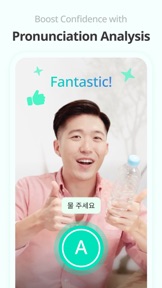
Both apps target language learners, but Duolingo captures the casual market through gamified streaks while Teuida targets active speaking practice via first-person POV scenarios.


Both apps target language learners through AI-driven speaking practice, creating direct competition for users seeking conversational fluency over traditional grammar-heavy study.


Both apps target learners of Korean, Japanese, and Spanish who prioritize conversational fluency through video-based content. They compete directly for users seeking to move beyond passive study methods.


Both apps target language learners seeking conversational fluency via AI-driven feedback, creating direct competition for users prioritizing active speaking over traditional grammar drills.


Both apps target language learners seeking active speaking practice, with Teuida using first-person POV scenarios and Praktika using AI avatars to replace traditional tutoring.


Both apps target language learners using AI-driven conversational practice to replace passive study, creating direct competition for users seeking active speaking fluency.
Same space(5)


cabuu serves the same language learning demographic but targets academic outcomes through curriculum-specific content.


Epop competes for the same casual language learner segment by using gamified mechanics to drive daily engagement.


Patchim Training targets the same Korean language learner base with a focus on micro-learning and cultural engagement.


MosaLingua targets the same language learning market but focuses on rapid, short-duration daily sessions for specific proficiency goals.


Shinobi competes for the same Japanese learner audience by emphasizing contextual reading over isolated vocabulary drills.
