
Whisk food
For home cooks and individuals seeking to organize their meal preparation and grocery shopping workflows through digital tools.
 Samsung Food: Meal Planner
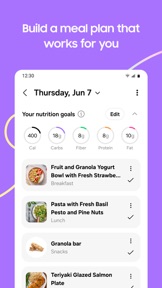
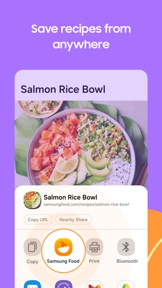
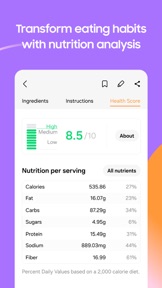

Snapshot
Who is Whisk food?
Simplifying home cooking by integrating recipe saving, meal planning, and grocery shopping into a unified digital ecosystem.
Target audience


Portfolio
Free 1Last updated

Samsung Food: Meal Planner
v2.53.0
6mo ago
Publisher DNA
What defines Whisk food?
Publisher DNA
Primary focus
Meal planning and recipe management utility
Scale
indie
Target audience
Home cooks and individuals seeking to organize their meal preparation and grocery shopping workflows through digital tools.
Origin
Originally launched as Whisk, the platform was rebranded to Samsung Food to serve as an integrated solution for Samsung's smart home ecosystem.
Signature Patterns
- •Focus on utility-driven features like recipe saving and grocery list synchronization
- •Monetization via a free-access model with potential hardware-ecosystem tie-ins
- •Cross-platform availability across mobile, web, and smart appliance interfaces
- •Integration of community-driven recipe sharing and social discovery features
Portfolio momentum
Maintains a consistent development cycle for its flagship title, with 2 releases in the last 6 months and the most recent update occurring 19 days ago.
Company profile
medium confidence- Founded
- 2019
Portfolio
What does Whisk food ship?
Apps
1 app analysed
Meal planner, recipes, grocery lists & nutrition — all in one smart app

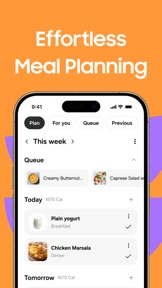
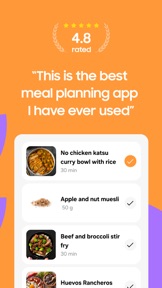
Massive public recipe database (240,000+) drives organic acquisition
- Hardware-software integration via SmartThings Cooking increases switching costs for Samsung appliance owners
Europe-centric footprint across 7 markets.
Based on 1 of 1 app with localized market data · last scanned .
Americas (1)
- United States1 / 1
Europe (5)
- France1 / 1
- Germany1 / 1
- Italy1 / 1
- Spain1 / 1
- United Kingdom1 / 1
Asia-Pacific (1)
- South Korea1 / 1
Core markets (1/1 apps)
Rivals
Who does Whisk food compete with?
The rivals identified
Nemeses(1)


Both apps target the same home cook demographic with overlapping core functionality: recipe management, meal planning, and grocery list generation. They compete directly for users seeking to reduce household food waste and simplify meal preparation.
Contenders(3)


Both apps target the meal planning and grocery management market, with Basta focusing on batch cooking efficiency while Samsung Food centers on recipe discovery and appliance integration.


Both applications compete for home cooks seeking to automate meal planning and grocery logistics, with direct overlap in recipe-to-shopping-list workflows.


Measy targets the same meal planning and grocery logistics audience as Samsung Food, focusing on automated weekly planning and budget-constrained shopping lists.
Same space(20)


Keto Diet Tracker serves the same health-conscious user base as Samsung Food by focusing on specific dietary tracking.


My Recipe Box serves the same recipe management utility as Samsung Food but focuses on independent library ownership.


Recipe Bro offers a similar recipe management and meal planning utility for the same home cook audience.


Eatr targets the same health-conscious demographic as Samsung Food, using AI to automate meal planning and tracking.


Factor_ targets the same busy demographic as Samsung Food but replaces the cooking process with prepared meal delivery.


Flashfood serves as a grocery-focused deal aggregator that helps users source ingredients for their meal plans.


Frigo Magic shares Samsung Food's goal of pantry-based meal planning but focuses on food-waste reduction.


HelloFresh acts as a physical fulfillment layer for meal planning, directly competing for the user's weekly food budget.


KptnCook provides a daily recipe delivery loop that competes with Samsung Food's discovery features.


Mealime competes directly with Samsung Food's planning utility by focusing on waste reduction and grocery integration.


Rappi serves as an adjacent logistics layer for grocery fulfillment, providing the delivery infrastructure Samsung Food lacks.


ReciMe competes for the same home cook audience by aggregating social media content into a centralized recipe repository.


Honeydew offers a similar AI-powered recipe management and meal planning utility for the same home cook audience.


Cookbook by Riafy Technologies serves the same recipe discovery and organization market as Samsung Food.


My Moulinex mirrors Samsung Food's hardware-linked strategy by tethering software utility to specific multicooker appliances.


Snoonu acts as a regional super-app for food and grocery delivery, providing the logistics layer for meal planning.


Stashcook provides a similar recipe-organization utility for home cooks, focusing on multi-source capture and family sharing.


SuperCook provides a specialized ingredient-matching engine that complements Samsung Food's planning by reducing food waste.


NYT Cooking competes for the same home cook audience by offering a high-trust, editorial-grade recipe database.


Meal Planner & Macro Tracker overlaps with Samsung Food's planning utility while adding specific nutritional tracking features.
The Analyst's Read
The bottom line on Whisk food
Bottom line
Samsung Food is a strategically positioned utility that leverages hardware ecosystem integration to maintain a strong foothold in the meal-planning niche. Its transition to a core Samsung service suggests a focus on long-term ecosystem retention rather than aggressive independent monetization.
Frequently asked questions
How many apps does Whisk food publish?
What kind of apps does Whisk food make?
What is Whisk food's top app?
In how many countries are Whisk food's apps available?
What fed this analysis
- Apps analyzed:
- 1
- With full intel:
- 1
- With overview:
- 1
- Website scraped:
- yes
- Social presence:
- yes