


XR Anatomy
For medical professionals, students, and clinical trainees requiring detailed anatomical reference and procedural training.
 3D Heart Anatomy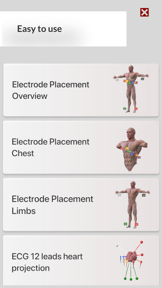

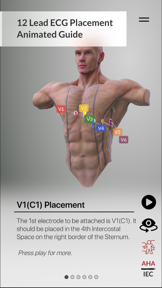


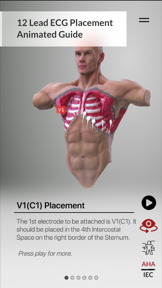
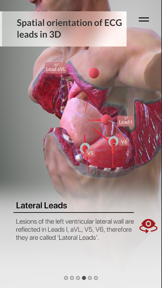


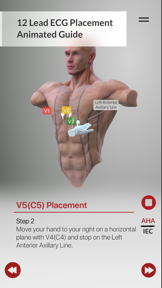



Snapshot
Who is XR Anatomy?
Providing high-resolution 3D anatomical models for medical education and clinical reference. Bridging the gap between traditional textbooks and interactive digital learning.
Target audience


Portfolio
Free 3Last updated

3D Heart Anatomy
v1.2
2.6y ago
Publisher DNA
What defines XR Anatomy?
Publisher DNA
Primary focus
Medical and anatomical 3D visualization tools
Scale
indie
Target audience
Medical professionals, students, and clinical trainees requiring detailed anatomical reference and procedural training.
Signature Patterns
- •Focus on high-resolution, interactive 3D anatomical modeling
- •Targeted utility for medical students and clinical professionals
- •Mixed monetization model utilizing both free and paid app tiers
- •Integration of narrated educational content and procedural guidance
Portfolio momentum
Released 2 updates across 5 apps in the last 6 months, indicating a focus on maintaining existing medical reference tools while exploring new AR-based educational formats.
Portfolio
What does XR Anatomy ship?
Apps
5 apps analysed

Offline-first architecture removes friction for clinical environments
- 150-structure cardiac atlas functions as a category-authority barrier


Single-market publisher, every app ships only to United States.
Based on 2 of 5 apps with localized market data, more coverage rolling in as scans complete · last scanned .
Americas (1)
- United States2 / 2
Core markets (2/2 apps)
User Sentiment
How do users feel about their apps?
1
Positive apps
0
Neutral / mixed
0
Negative apps
85/100
Avg sentiment score
Rivals
Who does XR Anatomy compete with?
The rivals identified
Nemeses(2)


Anatomy Learning covers the entire human body, including the heart, directly competing with the specialized cardiac focus of 3D Heart Anatomy for the same medical student audience.


Both apps target healthcare professionals seeking clinical skill development, competing for the same professional education budget and time.
Contenders(12)


Anatomy 3D Atlas provides high-fidelity anatomical models that serve as a reference for the human body, complementing the specific lead-placement focus of the source app.


Both apps target medical students and clinicians with 3D anatomical visualization, creating direct competition for study time and professional reference usage.


BioDigital Human competes by offering a 700-model library covering physiology and treatments, directly challenging the cardiac-only focus of 3D Heart Anatomy for students seeking a single anatomical reference.


Both apps compete for the same medical student and professional audience by providing 3D anatomical visualization tools for clinical reference.


Teach Me Anatomy targets the same medical student and professional audience with a broad anatomy library, directly challenging the niche utility of 3D Heart Anatomy.


Both apps target medical students and professionals with interactive 3D anatomical models, creating direct competition for study time and device storage within the medical reference category.


Both apps target medical students and practitioners, competing for the same educational time and device storage space.


Human Anatomy Quiz & Atlas competes for the same medical student audience by offering broad anatomical study modules that overlap with the foundational knowledge required for cardiac anatomy.


Both apps target medical students and professionals seeking anatomical reference, creating competition for study time and device storage within the medical education segment.


Both apps target medical students and learners with offline-first anatomical reference material, creating direct competition for the academic user base.


Both apps target healthcare professionals managing ECG data, though they address distinct clinical workflows: physical lead placement versus mathematical interval calculation.


Both apps target healthcare professionals and students with 3D cardiovascular visualization tools, creating direct competition for clinical and educational reference use cases.
Same space(21)


Anatomy Learning offers a broader anatomical visualization platform that serves as a foundational study tool for the same medical student audience.


Kardia bridges the gap between clinical-grade hardware and remote patient monitoring, serving as a diagnostic tool rather than a placement guide.


EchoGuide by ASE offers clinical calculators and guidelines for echocardiography, serving as a reference tool for cardiac care professionals.


epTools provides specialized algorithms for electrophysiology, serving as a high-utility reference tool for advanced clinical practitioners.


Littmann Learning focuses on auscultation education, providing a complementary clinical skill set to the ECG interpretation and placement focus of the source app.


Easy Anatomy 3D targets the same student audience with interactive 3D models but adds AI-driven study assistance and biomechanical animations.


3D Bones and Muscles acts as a general-purpose anatomical reference tool that shares the same 3D visualization focus for medical education.


Eko integrates hardware-based cardiac data collection into the clinical exam, providing diagnostic capabilities that complement the source app's educational focus.


Pocket Heart provides 3D cardiac anatomy visualization, acting as a specialized reference for the same cardiovascular-focused audience.


This app competes for the same user base by offering active health monitoring, though it relies on subscription-based tracking rather than static anatomical education.


ECG+ analyzes wearable-sourced heart rhythm data, serving as a consumer-facing tool for tracking cardiovascular metrics rather than a clinical training aid.


ECG EKG Interpretation Mastery provides clinical reference materials and visual aids for ECG interpretation, targeting the same professional and student audience.


ECG / EKG Explained Clearly provides a systematic approach to ECG interpretation through expert-led courses, serving as an educational resource for clinicians.


ECG Practice offers AI-powered feedback for ECG interpretation, serving as a digital tutor for clinical skill refinement.


PMcardio focuses on automated interpretation of ECG waveforms, providing clinical diagnostic support that extends beyond the source app's placement guidance.


This app targets the same professional medical audience as 3D Heart Anatomy but focuses on clinical EKG interpretation rather than anatomical visualization.


This app provides functional heart rate tracking via camera sensors, serving the wellness-focused segment that overlaps with the anatomy-focused audience of 3D Heart Anatomy.


TeachMe Anatomy combines textbook-style content with 3D models, providing a comprehensive educational resource for the same student demographic.


ECG Trainer uses game-like exercises to teach waveform recognition, providing an interactive approach to the clinical skills taught by the source app.


Complete Anatomy Learning 3D uses AR and 3D models to provide a visual reference for anatomy, serving as a broader educational tool for the same student demographic.


ECG Pro focuses on clinical case studies using raw waveform data, serving as an advanced training tool for users who have already mastered basic lead placement.
The Analyst's Read
The bottom line on XR Anatomy
Bottom line
XR Anatomy LTD is a specialized studio with a clear focus on high-fidelity medical visualization. Their ability to maintain a consistent standard of anatomical accuracy across both standard and augmented reality platforms is their primary competitive differentiator.
Frequently asked questions
How many apps does XR Anatomy publish?
What kind of apps does XR Anatomy make?
What is XR Anatomy's top app?
In how many countries are XR Anatomy's apps available?
What fed this analysis
- Apps analyzed:
- 5
- With full intel:
- 0
- With overview:
- 5
- Website scraped:
- yes
- Social presence:
- yes