



Whoscall is a caller identification and spam-blocking utility for mobile users, focused on scam prevention via community-sourced data.
The App DNA
What makes this app unique?
The app removes the cognitive cost of vetting unknown calls and messages by automating identification, displacing the need for manual verification.
For Mobile users in East and Southeast Asia seeking protection from voice phishing, spam calls, and SMS-based scams.
What does it look like?
Key features
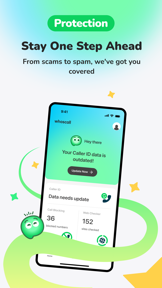
Real-time identification of unknown callers and automated blocking of spam and scam numbers
Detection and filtering of phishing links and suspicious messages within the SMS interface
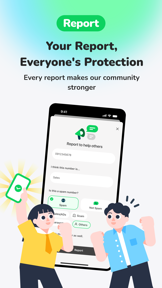
Gamified task system where users report numbers or check in to earn points and badges
How much does it cost?
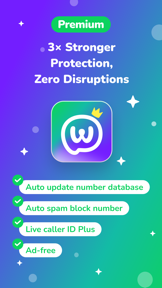
Freemium model uses performance metrics like 5x faster ID load speed and 45% higher security as primary conversion drivers for the premium tier.
Velocity
Maintenance developmentUX improvementsmonetizationperformanceShow more...
Whoscall maintains a maintenance-level cadence, with the latest release arriving 92 days ago. Development activity is characterized by minor stability improvements and UI adjustments, such as the recent homepage refresh and subscription page enhancements. While the app previously saw a period of more frequent updates, the current release frequency has slowed significantly. The team is currently focused on UX improvements and platform-specific maintenance, including the deprecation of older iOS support.
Who built it?
Gogolook
3 apps tracked · Utilities
 Call Defender - Caller ID
 Whoscall: Caller ID & Block
User Sentiment
What do users think recently?
Users report: Fresh user feedback skews frustrated. Users appreciate effective identification of scam calls helps users avoid unwanted interactions during their daily routine, but report intrusive sms popups and double notifications disrupt the native messaging experience for mobile users.
How are ratings & reviews evolving?
What users say, by theme
- Effective identification of scam calls helps users avoid unwanted interactions during their daily routine
- Intrusive SMS popups and double notifications disrupt the native messaging experience for mobile users
62 of 99 recent reviews analyzed · high confidence · Frustrated overall
Read the full review analysisUnlock 2 more frustration themes and 1 user request, each backed by review evidence.
Access the full report for freeCompetition
Competitive landscape for Whoscall: Caller ID & Block
How's the Utilities market?
Whoscall maintains a consistent presence in the Communication category across multiple regions, including a #3 slot in Thailand. However, the high volume of negative sentiment regarding ad-serving suggests the current monetization strategy is creating friction that threatens long-term retention.
Read the market outlookThe rivals identified
Unlock the deeper market read.
Access the full report for freeThe Analyst's Read
Key takeaways for Whoscall: Caller ID & Block
Where is it heading?
The spam-blocking market is consolidating, with OS-level integrations and all-in-one security suites absorbing casual user interest. Whoscall's reliance on intrusive ad-serving and a slow release cadence leaves it exposed to rivals that prioritize a cleaner, more reliable user experience.
- Persistent ad-serving for premium users → erodes subscription value → accelerates churn among the most loyal segment.
- Maintenance-mode release cadence (92 days since last update) → signals lack of feature expansion → leaves the app vulnerable to faster-moving rivals.
The SWOT
- Gamified reporting loop incentivizes daily interaction
- AI-driven link protection provides a distinct security layer
- Localized pricing strategies in emerging markets
- Creator-referral loop absent while the nemesis monetises template sharing
Next best moves
Deprecate forced SMS popups because they are the #1 driver of negative sentiment → increase retention
+ 1 more prioritized moveThe counter-intuitive read
The app's reliance on gamified reporting is its greatest vulnerability…
Read the full takeFeature gaps
Automated telemarketer-wasting bots (available in Robokiller but missing here) +1
Since the last report: Whoscall has entered a maintenance-mode development cycle, characterized by a significant slowdown in update frequency and an expanded competitive field of security-focused rivals. The core user experience remains constrained by persistent ad-serving and intrusive SMS popups, which continue to drive negative sentiment.
Bottom line
The current monetization strategy is actively eroding the app's core utility by alienating the premium user base. Pivoting to a cleaner, ad-free experience for subscribers would unlock higher lifetime value and stabilize the declining sentiment trend.
Unlock 3 critical frictions, 2 market threats, 1 more prioritized move and the analyst’s take.
Access the full report for freeFAQ
Is Whoscall free to use?
How does Whoscall compare to Truecaller?
Does Whoscall have intrusive ads?
What are some free alternatives to Whoscall?
Sources
Report last updated