


Aumio
 Aumio: Family Sleep Meditation








Snapshot


Publisher DNA
What defines Aumio?
AI intelligence is not yet available for Aumio. The portfolio data below is up to date.
Portfolio
What does Aumio ship?
Apps
3 apps analysed

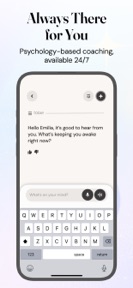
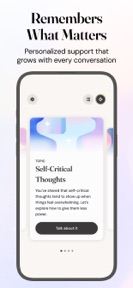
Ally is your AI companion for mental wellbeing, emotional support, and stress.


Direct health insurance reimbursement pathways
- Conversational AI interactions feel natural and help users process busy thoughts during stressful moments
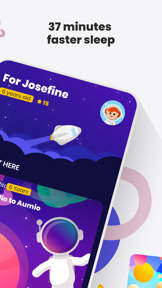
Sleep meditation, bedtime stories & sleep sounds for family calm and mindfulness


Analysis in progress

Better naps, fewer wake-ups. Smart sleep schedules for your baby.


Soothing sound library and lullaby options assist parents in calming infants during nap and bedtime
- Sleep tracking and routine scheduling tools provide actionable insights for parents managing infant sleep patterns
- Application crashes and splash screen hangs prevent access to core tracking features on various devices
Distributed across 7 markets, strongest in Europe.
Based on 2 of 3 apps with localized market data, more coverage rolling in as scans complete · last scanned .
Americas (3)
- United States2 / 2
- Brazil1 / 2
- Mexico1 / 2
Europe (4)
- Germany2 / 2
- France1 / 2
- Portugal1 / 2
- Spain1 / 2
Core markets (2/2 apps)
User Sentiment
How do users feel about their apps?
2
Positive apps
0
Neutral / mixed
0
Negative apps
83/100
Avg sentiment score
Rivals
Who does Aumio compete with?
The rivals identified
Nemeses(2)

Both apps compete for daily engagement from parents of infants by providing developmental milestone tracking and parenting resources. They overlap in the target demographic of families navigating the first years of parenthood.


Both apps target new parents seeking guidance on infant behavior, with Happy Baby focusing on sleep schedules and The Wonder Weeks on developmental milestones.
Contenders(19)


Both apps target parents managing infant routines, but they diverge on focus: Happy Baby centers on sleep prediction, while Baby Tracker provides a broad health and activity journal.


Both apps compete for the limited attention of expecting and new parents during the early stages of child development. They occupy adjacent segments of the parenting utility market, specifically targeting the transition from pregnancy to infant care.


Both apps target parents of infants with predictive sleep algorithms, creating direct competition for users seeking data-driven routine management.


The rival targets the pre-birth segment of the same parenting demographic, creating a potential churn point as users transition from pregnancy tracking to infant care. This overlap in the parenting lifecycle makes the rival a competitor for the same user base at an earlier stage.


Both apps target the same early-parenthood demographic by offering sleep support and daily routine tracking tools.


Both apps target new parents managing infant routines, with Glow Baby competing for the same daily logging habit through a broader suite of growth and health tracking features.


Users report: Both apps target parents of children aged 0-24 months with data-driven sleep scheduling, creating direct competition for users seeking automated nap and bedtime predictions.


Both apps compete for the same parent demographic by addressing infant routine management, though they diverge between specialized sleep prediction and broad medical-grade health tracking.


Both apps compete for parents seeking automated nap and bedtime prediction based on infant age and sleep cues. They target the same user base by offering free, science-backed scheduling tools to manage infant sleep routines.


Nara competes for the same parent demographic by offering a free, ad-free alternative to the subscription-gated tracking features in Happy Baby: Sleep & Tracker.


Both apps target the parenting lifecycle, with Baby Tracker capturing the pre-birth segment while Happy Baby focuses on the post-birth sleep routine. They compete for the same user base transitioning from pregnancy to infant care.


Both apps target new parents with tracking tools for infant development and daily routines, creating direct competition for the limited attention of sleep-deprived users.


Both applications target parents of newborns and infants with sleep tracking and scheduling features, competing for the same user base seeking to improve baby sleep patterns.


Both apps target parents seeking data-driven sleep schedules for infants, competing for the same user base by offering personalized nap and bedtime predictions.


Users report: Both apps target parents of children aged 0-24 months, competing for the same limited parental attention and subscription budget by offering data-driven developmental support.


Both apps target parents seeking sleep guidance and developmental tracking, competing for the same daily habit formation in the baby-care category.


Both apps target the parenting lifecycle, with the rival capturing the pre-birth segment while Happy Baby: Sleep & Tracker manages the post-birth sleep routine.


Nanni AI competes by bundling sleep scheduling with cry analysis and general activity tracking, targeting the same parent demographic seeking automated guidance for infant care.


Both apps compete for daily engagement among parents of infants by providing tracking tools for developmental milestones and growth. They overlap in the parenting utility category, forcing users to choose between specialized sleep automation and broad developmental guidance.
Same space(19)


This utility offers a focused auditory environment to support infant sleep cycles, acting as a lightweight companion to Happy Baby's data-heavy tracking.


Provides adaptive scheduling similar to Happy Baby, acting as a direct alternative for parents seeking automated sleep rhythms.

known for Baby Naps: Sleep Schedule
Provides age-specific nap recommendations that serve as a direct retention mechanism for parents managing infant schedules.


Provides a library of audio content for sleep improvement, acting as a complementary tool for parents seeking soothing sounds.


This app attempts to differentiate from Happy Baby by integrating AI-driven cry interpretation alongside its sleep scheduling tools.


This app provides a focused ambient sound utility that complements Happy Baby's tracking features by addressing the immediate soothing needs of infants.


This app serves as a specialized sound-masking tool that functions offline, providing a reliable alternative to Happy Baby's data-dependent features.


Uses generative AI to provide sleep training support, competing with Happy Baby's science-backed scheduling.


Provides one-tap tracking for infant rhythms, acting as a simplified alternative to the more complex Happy Baby interface.


Targets parents specifically looking for sleep training guidance, providing a more intensive coaching service than Happy Baby.


This app competes by offering predictive developmental alerts that go beyond simple sleep logging, providing value for parents of children up to two years old.


Focuses on the sound-soothing aspect of infant care, serving as a specialized utility for parents managing household noise.


Focuses on the training phase of infant sleep, serving parents who have moved past the initial tracking phase.


Offers a specialized timer-based approach to sleep training, serving parents who prefer a structured, offline-first tool.


Serves the broader sleep tracking market for adults, providing a non-wearable alternative to the infant-focused tracking in Happy Baby.


Functions as a broader developmental tracker that overlaps with the sleep logging features found in Happy Baby.


Offers an alternative for parents who want to combine sleep tracking with ambient noise generation for their children.


Combines tracking with expert coaching, offering a more personalized support layer than the standard Happy Baby features.


This app targets parents who prefer structured rhythm-based planning over manual logging, offering a proactive alternative to Happy Baby's reactive tracking.
New entrants(2)


Offers premium adaptive scheduling that competes with Happy Baby's core scheduling features for data-conscious parents.


Specializes in the Ferber Method, providing a dedicated tool for parents following a specific sleep training methodology.
