Carlos Balsalobre
For professional strength coaches, sports researchers, and elite athletes requiring lab-accurate data for training optimization.
 My Jump Lab (My Jump 3)

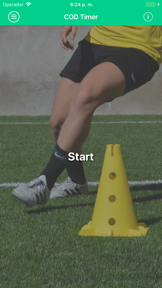



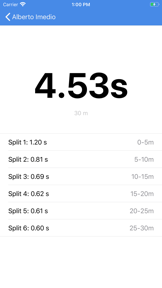





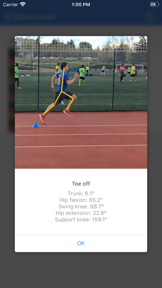


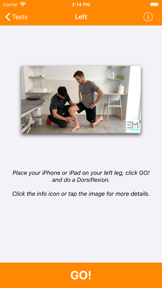








Snapshot
Who is Carlos Balsalobre?
Equipping elite coaches and sports scientists with peer-reviewed, laboratory-grade performance measurement tools via mobile sensors.
Target audience


Portfolio
Free 2Last updated

My Jump Lab (My Jump 3)
v3.0.10
7mo ago
Publisher DNA
What defines Carlos Balsalobre?
Publisher DNA
Primary focus
Scientifically validated sports performance and biomechanics tools
Scale
studio
Target audience
Professional strength coaches, sports researchers, and elite athletes requiring lab-accurate data for training optimization.
Origin
Founded by a sports scientist and PhD from the Autonomous University of Madrid to digitize high-performance athletic measurement.
Signature Patterns
- •Heavy emphasis on scientific validation and peer-reviewed citations within app metadata.
- •Utilization of high-speed video and device sensors for biomechanical analysis.
- •Targeting professional/elite sports tiers rather than general fitness consumers.
- •Transitioning from one-time purchase utilities to a central freemium hub model.
- •Consistent focus on Velocity-Based Training (VBT) and Force-Velocity profiling.
Portfolio momentum
Maintained high development intensity with 9 updates in the last 6 months, primarily focused on the flagship My Jump Lab platform despite a portion of the legacy catalog being in maintenance.
Company profile
medium confidence- Headquarters
- Madrid, Spain
Portfolio
What does Carlos Balsalobre ship?
Apps
12 apps analysed


Analysis in progress
Distributed across 4 markets, strongest in Americas.
Based on 2 of 12 apps with localized market data, more coverage rolling in as scans complete · last scanned .
Americas (2)
- Mexico2 / 2
- United States2 / 2
Europe (2)
- Spain2 / 2
- France1 / 2
Core markets (2/2 apps)
Rivals
Who does Carlos Balsalobre compete with?
The rivals identified
Nemeses(2)


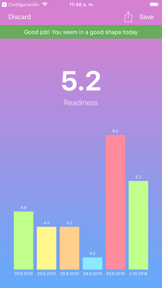
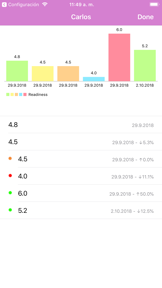
Both apps target athletes managing training load and recovery, competing for the same user base seeking daily readiness insights.


Both apps target coaches and athletes for sports performance analysis using video, creating direct competition for the same user base.
Contenders(12)


JUMP! measures vertical jump metrics like RSI and power using smartphone sensors, directly overlapping with ForceData's core measurement utility.


Both apps target endurance athletes and coaches to monitor daily recovery and readiness, creating direct competition for the same user base.


Both apps target athletes managing recovery, but Readiness uses subjective daily questionnaires while MuscleReady uses objective workout logging to track muscle-specific recovery.


Both apps target athletes and coaches for agility and speed performance measurement, though they diverge on hardware requirements.


Both apps target athletes and coaches seeking performance analytics via video-based tagging, though they focus on distinct sports disciplines.


Both apps target athletes managing physical recovery, but Readiness uses a holistic readiness score while SoreTrace focuses on localized muscle soreness via a body map.


Both apps target coaches and athletes for performance monitoring, though they focus on different data collection methods: video-based agility testing versus questionnaire-based wellness tracking.


Both apps target coaches and trainers managing athlete performance data, though they differ in their primary method of data collection and analysis.


Both apps target coaches and athletes by replacing manual stopwatches with camera-based performance tracking to quantify physical metrics.


Both apps target sports performance monitoring, though they diverge between scientific agility measurement and real-time match event tagging.


Both apps target the recovery and readiness monitoring segment, competing for users seeking daily physical preparedness insights.


Both apps target athletes using video analysis to improve performance, creating a direct overlap in the sports training utility category.
Same space(74)


Ochy utilizes video and AI for biomechanical gait analysis, targeting the same performance-improvement segment as ForceData.


Onform provides professional-grade 3D swing metrics and multi-angle video capture, serving the same biomechanical analysis audience with higher technical complexity.


PlyoMetricAI turns phone cameras into a vertical jump lab for biomechanical analysis, competing for the same athletic performance improvement market.


Metric competes in the strength training space by using computer vision to track bar velocity, offering a software-only alternative to expensive hardware.


Equilab automates gait analysis for equestrians using sensors, providing a specialized biomechanics vertical that complements ForceData's general measurement utility.


Targets the same coaching workflow by providing a machine learning platform for performance data.


It serves the same sports performance niche by providing specialized training analytics and performance tracking for a specific athletic discipline.


Targets the professional sports sector with a centralized management hub for performance and medical data.


Bike Biomechanics Measuring AI uses computer vision to analyze body alignment for cycling, providing a specialized biomechanical fitting tool similar to ForceData's measurement focus.


PlyoMetricAI turns phone cameras into a vertical jump lab for biomechanical analysis, competing for the same athletic performance improvement market.


Shares the performance tracking focus but applies it to the specific domain of dog agility trials.


Stride targets the same athletic performance tracking market by integrating power curves and HRV trends to guide training decisions for cyclists and runners.


Delivers science-based training plans that align with the performance-focused methodology of My Jump Lab.


Eleve targets the same athletic development audience by providing infrastructure for action sports academies to track skill mastery and session progress.


LensFit tracks muscle-specific recovery, providing a more granular physiological view than the general readiness score in the source app.


Observa translates Apple Health data into readiness insights, serving as a direct functional peer to the source app.


Vertical Jump for Basketball uses camera-based physics math to determine jump height, offering a hardware-free alternative to ForceData's sensor-based approach.


Athlete Performance serves the same workout tracking segment by allowing athletes to log sessions and book appointments within a centralized app.


Targets competitive athletes with career tracking, though it lacks the active coaching tools found in COD Timer.


Acts as a general training companion for athletes who need to track gym progress alongside their My Jump Lab performance data.


Provides biomechanical feedback similar to COD Timer but focuses on free, AI-driven movement tracking.


Santiago 2023 serves as a historical results archive, contrasting with the active, daily-use nature of the source app.


Provides a gym logging interface for athletes who require consistent habit tracking alongside their My Jump Lab testing.


Catapult One serves the same athlete performance tracking segment by combining GPS hardware with professional-grade analysis tools for team sports.


Focuses on athlete performance enhancement using engineering infrastructure to solve sports science problems.

known for JINOU Acceleration Beacon
JINOU Acceleration Beacon connects to external acceleration sensors to view real-time data, serving a similar technical sensor-monitoring audience as ForceData.


Targets performance-focused athletes with data modeling, serving a similar niche as a specialized coaching tool.


Training Feel uses subjective wellness questionnaires and RPE to calculate training load, directly mirroring the core workflow of Readiness.


ReadiOne uses biomathematical models to predict fatigue, serving as a specialized alternative to the general readiness monitoring in the source app.


It targets the same athletic training audience but focuses on team logistics and club management rather than individual performance metrics.


Users report: Targets the same youth sports demographic by offering live streaming and scorekeeping tools.


Targets the same coaching segment by providing collaborative video analysis and communication tools.


Serves as a longitudinal training log for the same athlete audience that uses My Jump Lab for performance testing.


Wellness Tracker offers nutritional recommendations that complement the recovery data monitored by Readiness.


Offers nutrition monitoring that supports the physical development goals of athletes using My Jump Lab.


Spleeft provides velocity-based training analytics using smartphone sensors, offering a hardware-free alternative to traditional performance tracking.


HOH - Athlete Progress Tracker serves the same athletic development audience by digitizing progress reporting for facilities and parents.


Axon: Recovery & Readiness processes Apple Watch data into specific recovery and strain scores, functioning as a direct peer.


Jump AI offers science-backed workouts and sensor-based jump tracking, competing for the same athletic performance improvement audience as ForceData.


Kitman Labs Coach provides mobile access to institutional athlete data, serving as a professional-grade alternative for team environments.


Provides a nutrition tracking layer for athletes who use My Jump Lab to monitor physical performance metrics.


LiftTrack serves the same strength training audience by focusing on workout building and performance logging, specifically for users within the Garmin ecosystem.


Targets athletic performance through specialized training programs, similar to the goal of agility training.


ADR System integrates with specific hardware to monitor strength training, serving as a technical performance tool for coaches.


Provides a daily workout logging utility that complements the periodic performance testing performed in My Jump Lab.


Provides a similar video-based performance review tool for coaches and athletes.


Provides a large library of training courses for the dog agility niche, similar to COD Timer's performance focus.


AXON Readiness facilitates daily athlete check-ins and RPE logging, focusing on the coach-athlete feedback loop.


My Sprint provides mechanical performance data that complements the subjective wellness monitoring found in Readiness.


Vidi AI serves the same sports analysis audience by automating feedback through video processing, though it focuses on general technique rather than NHE specifically.


Acceleration Sensor Logger provides raw motion sensor data logging and CSV export, serving the same technical audience as ForceData but with a legacy, maintenance-only status.


This app shares the video-centric approach of My Lift but focuses on post-event highlight generation rather than biomechanical analysis.


Tracks sleep debt and energy levels, providing recovery data that influences the performance metrics measured by My Jump Lab.


RiseGame targets the same athletic development audience by providing a centralized platform for youth sports coaches to assign drills and track progress.


Sospita targets the same athletic performance management market by providing AI-driven tools for sports academies to track speed, agility, and jump metrics.


Swagger Eyes serves the same athletic performance tracking audience by providing professional-grade timing and scoring tools for elite athletes.


Speed4Lifts Teams provides a collaborative platform for coaches to manage athlete training loads using velocity-based training methods.


iRecover connects athletes and coaches through wellness monitoring and assigned recovery tasks, aligning with the source app's athlete-focused design.


SportEasy serves as a broader team management platform that overlaps with Readiness by tracking participant availability and team communication.


Provides performance analysis and tagging for soccer, serving a similar role in understanding athlete progress.


Apex Athlete Series targets the same athletic performance tracking segment by utilizing wearable hardware to provide data-driven insights on speed and distance.


Pose & Tracking for Darts targets a similar niche of objective form analysis, utilizing skeletal tracking to provide feedback on throwing mechanics.


Adjacent sports app targeting fans and fantasy enthusiasts with creative design tools.


Like My Lift, this app targets performance tracking for athletes, though it utilizes GPS and scorecard data instead of velocity-based video analysis.


VertiPro focuses on vertical jump measurement and performance analytics, providing a dedicated tool for athletes similar to ForceData's biomechanics utility.


Offers video coaching tools similar to COD Timer, focusing on instant visual feedback for athletes.


TrainHeroic serves the same strength training audience by providing a digital library and workout tracker, though it lacks the specialized biomechanical NHE analysis found in Nordics.


Readiness: Recovery Score uses wearable data to generate daily readiness insights, acting as a direct functional competitor to the source app.


Strength Workouts targets the same strength training audience by using goal-based routines and AI-driven recommendations for specific muscle groups.


Supplies nutrition and macro tracking to support the physical recovery and muscle building of My Jump Lab users.


Sports Injury Rehabilitation targets the same injury prevention and recovery audience as Nordics, providing criteria-based programs for specific athletic injuries.


YLMSportScience provides educational infographics that support the scientific knowledge base required for athletes using Readiness.


One More targets the same sports science and training audience as My ROM by focusing on longitudinal performance tracking rather than clinical joint assessment.


Offers structured workout routines for athletes who use My Jump Lab to measure their athletic output.
New entrants(3)


Vertical Jump: Hang Time uses video frame analysis and sensors to track vertical leap, providing a low-friction alternative to ForceData's biomechanics utility.


Monitors general health vitals for users who also track athletic performance with My Jump Lab.


Morning Readiness provides transparent recovery scoring based on Apple Health data, offering a simplified alternative to the source app.
The Analyst's Read
The bottom line on Carlos Balsalobre
Bottom line
Balsalobre is a dominant niche player in the 'pocket lab' category, leveraging academic credibility to capture the professional sports market. His transition to a unified platform model indicates a move toward long-term user retention and scalable data services for elite athletic organizations.
Frequently asked questions
How many apps does Carlos Balsalobre publish?
What kind of apps does Carlos Balsalobre make?
What is Carlos Balsalobre's top app?
In how many countries are Carlos Balsalobre's apps available?
What fed this analysis
- Apps analyzed:
- 11
- With full intel:
- 0
- With overview:
- 11
- Website scraped:
- yes
- Social presence:
- yes