

CodeSignal
 Cosmo: Learn GenAI & More







Snapshot


Publisher DNA
What defines CodeSignal?
AI intelligence is not yet available for CodeSignal. The portfolio data below is up to date.
Portfolio
What does CodeSignal ship?
Apps
2 apps analysed
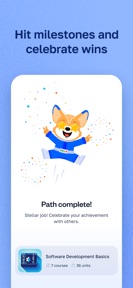
Practice-based exercises replace passive video
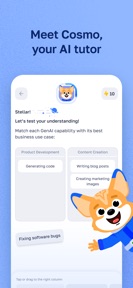
- Interactive companion bot makes complex coding and business concepts accessible for absolute beginners
- Technical instability during lessons causes crashes and freezes that interrupt the learning flow

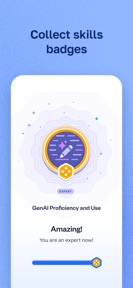
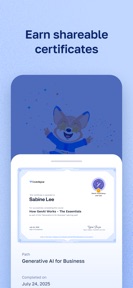
Learn GenAI, business, and tech skills with your personal AI tutor


Analysis in progress
Single-market publisher, every app ships only to United States.
Based on 1 of 2 apps with localized market data, more coverage rolling in as scans complete · last scanned .
Americas (1)
- United States1 / 1
Core markets (1/1 apps)
User Sentiment
How do users feel about their apps?
1
Positive apps
0
Neutral / mixed
0
Negative apps
75/100
Avg sentiment score
Rivals
Who does CodeSignal compete with?
The rivals identified
Same space(26)

Buddy.ai targets the same voice-based AI tutoring market, albeit focused on a younger demographic.


ANTON serves the same K-8 education market as Cosmo, focusing on curriculum-aligned exercises for home and school.


Langla functions as a direct peer to Cosmo by offering a personalized AI tutor that adapts to user proficiency levels.


Babbel operates in the same language-learning space, utilizing expert-built curricula to drive daily habit formation.


Cake competes for the same daily-learner segment by using pop-culture content to drive engagement.


Learna competes with Cosmo for the same daily-active user base by utilizing AI-driven feedback for skill acquisition.


Duolingo competes for the same daily-habit-forming education market as Cosmo, using gamification to drive retention.


Gauth serves the same student population as Cosmo by providing AI-driven, step-by-step explanations for complex academic subjects.


BetterSpeak competes for the same adult learner segment by using AI avatars for conversational practice.


YayTalk competes for the same language-learning audience as Cosmo by using AI personas to build speaking confidence.


Fluzy targets the same daily-habit-forming demographic as Cosmo by offering AI-powered conversation practice for language acquisition.


Mimo targets the same career-focused learners as Cosmo by providing a structured, hands-on path for coding education.


Buddy.ai competes with Cosmo by using a conversational AI tutor to replace static educational content for young learners.


Linguza competes for the same English-learning audience as Cosmo, focusing on natural conversation practice.


Hilingo focuses on the same daily speaking practice habit using AI feedback.


Pingo AI offers a similar AI-companion model to Cosmo, focusing on conversational fluency through simulated real-life scenarios.


Praktika competes for the same daily-habit learner segment by using AI avatars to simulate professional conversational practice.


Preply serves the same professional development market as Cosmo but relies on human-led instruction rather than AI-driven automation.


Quizlet serves the same student demographic as Cosmo by evolving from flashcards into an AI-powered study ecosystem.


Gizmo serves the same study-optimization audience as Cosmo by automating content creation for academic support.


DMV Permit Practice Test competes for the same test-prep audience as Cosmo, focusing on state-specific exam simulation.


Talkpal targets the same conversational-learning audience as Cosmo by using AI to facilitate debates and roleplays.


Duo Speak serves the same language-learning market as Cosmo by using an AI tutor for daily speaking practice.


Fluza targets the same conversational-practice audience as Cosmo by offering a 24/7 AI language coach.


10 Minute Language uses similar short-form content to drive daily vocabulary acquisition.


Yousician serves the same self-paced education market as Cosmo, using proprietary technology to gamify skill acquisition.
New entrants(4)


LearnUp serves the same language-learning audience as Cosmo, using AI to replace traditional vocabulary lists.


Ziggy competes for the same skill-building audience as Cosmo, focusing on structured ASL learning.


GenK shares the same goal of turning screen time into knowledge through short-form daily lessons.


Ziggy targets the same structured-learning audience but focuses on ASL sign language mastery.
