


Daily Workout Apps
For beginners and experienced athletes seeking time-efficient, guided home exercise routines that function without internet connectivity.
 Daily Workouts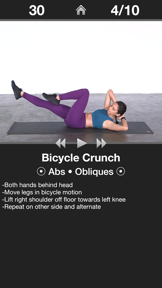


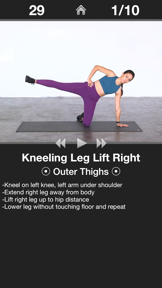
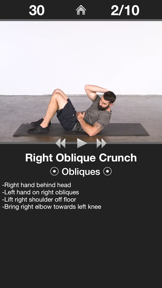






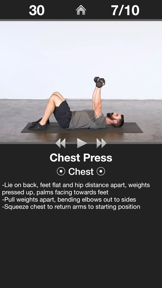

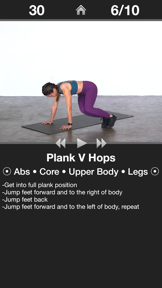

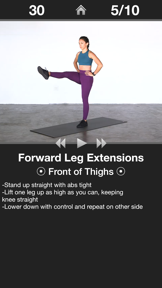




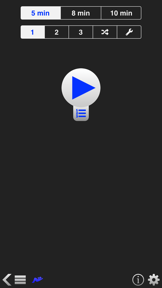


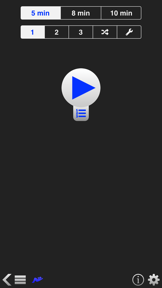

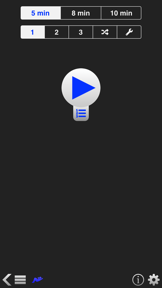
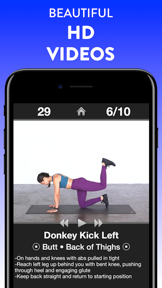


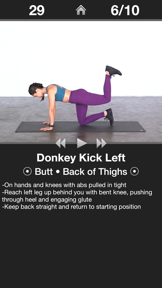
Snapshot
Who is Daily Workout Apps?
Providing accessible, guided home fitness routines for users of all experience levels. Enabling consistent exercise through short, targeted workout sessions.
Target audience


Portfolio
Free 10Last updated

Daily Workouts
v8.5.11
6mo ago
Publisher DNA
What defines Daily Workout Apps?
Publisher DNA
Primary focus
Health & Fitness · targeted home workout routines
Scale
studio
Target audience
Beginners and experienced athletes seeking time-efficient, guided home exercise routines that function without internet connectivity.
Signature Patterns
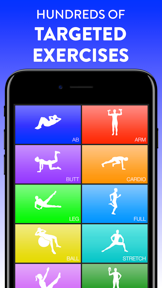
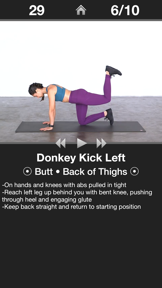
- •Modular app architecture focusing on specific muscle groups (Abs, Butt, Cardio, Arms, Legs).
- •Consistent freemium monetization model across the entire portfolio.
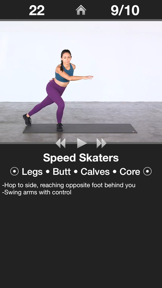
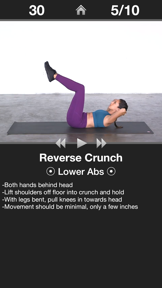
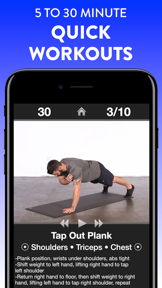
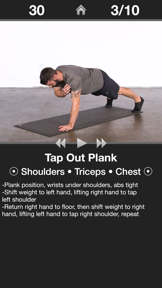
- •Emphasis on short, 5 to 30-minute guided video routines.
- •Integration with Apple Health for cross-platform data tracking.
- •High-frequency update cadence across all titles.
Portfolio momentum
Released 30 updates across 13 apps in the last 6 months, indicating a high-frequency maintenance cycle for their entire fitness catalog.
Portfolio
What does Daily Workout Apps ship?
Apps
14 apps analysed


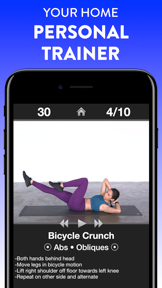
Your own personal trainer wherever you are! Quick and effective butt workouts!


Distributed across 12 markets, strongest in Europe.
Based on 2 of 14 apps with localized market data, more coverage rolling in as scans complete · last scanned .
Americas (3)
- Brazil2 / 2
- Mexico2 / 2
- United States2 / 2
Europe (7)
- France2 / 2
- Germany2 / 2
- Italy2 / 2
- Netherlands2 / 2
- Portugal2 / 2
›+2 more europe markets
- Spain2 / 2
- Sweden2 / 2
Asia-Pacific (2)
- Japan2 / 2
- South Korea2 / 2
Core markets (2/2 apps)
Rivals
Who does Daily Workout Apps compete with?
The rivals identified
Nemeses(3)


Both applications target home-based fitness users with free, equipment-free routines, creating direct competition for users seeking accessible core training.


Provides a free, equipment-free alternative for users focused on weight loss rather than specific muscle toning.


Both applications target users seeking short, home-based cardio routines, creating direct competition for time-constrained individuals who prioritize convenience.
Contenders(13)


This app targets a specific low-impact demographic that requires more accessibility than Daily Ab Workout.


This app offers structured 28-day challenges for users who want a longer-term plan than Daily Ab Workout.


Both applications target home-based fitness users with free, bodyweight-focused routines that integrate with mobile health platforms.


This app offers a premium, cinematic coaching experience for users who want more guidance than Daily Ab Workout.


Both applications target home-based fitness users through guided workout content and health tracking, creating direct competition for users seeking structured exercise routines.


HerBody competes for the same home-based fitness audience by offering equipment-free routines that overlap with the core-strengthening focus of Daily Ab Workout.


Both applications target home-based fitness users, creating direct competition for individuals seeking accessible workout solutions. Daily Burn captures users via a subscription model and diverse content library, while Daily Cardio Workout targets those preferring one-time purchases and offline access.


Both applications target home-based fitness users seeking equipment-free routines, creating direct competition for users prioritizing convenience and accessibility.


Both apps target home-based fitness users seeking short, guided exercise routines. FitHer competes by offering a free, personalized 30-day program structure that contrasts with the static, paid model of Daily Cardio Workout.


Both applications target home-based, equipment-free fitness users, creating direct competition for individuals seeking accessible, short-duration exercise routines.


Both apps target users seeking short, home-based cardio routines, creating direct competition for time-constrained fitness consumers.


Both apps compete for the same at-home wellness and body-toning consumer segment, despite targeting different muscle groups.


Both apps target home-based fitness users with equipment-free routines, creating direct competition for users seeking accessible workout solutions.
Same space(29)


This app serves as a comprehensive gym-tracking database that complements the home-based focus of Daily Ab Workout.


This app provides a more detailed logging and analysis tool for users seeking long-term fitness consistency.


This app provides AI-driven adaptation for users who want to transition between home and gym environments.


This app serves as a gym-focused log that complements the home-based routines of Daily Ab Workout.


This app offers an AI-powered gym logging experience that serves as a more advanced progression from Daily Ab Workout.


This app provides a more structured, long-term challenge format compared to the short routines in Daily Ab Workout.


This app tracks daily activity levels to complement the specific workout sessions in Daily Ab Workout.


Serves the same home-based muscle-toning demographic with a structured level-based progression system.


Targets a niche subset of the home-fitness audience by focusing exclusively on glute-toning routines.


This app provides nutritional tracking to support the physical fitness goals established in Daily Ab Workout.


Provides low-impact alternatives like yoga and Tai Chi for users seeking recovery-focused exercise routines.


This app offers a multi-sport training platform that expands beyond the abdominal focus of Daily Ab Workout.


Targets users with a 28-day challenge format to build consistency, contrasting with the source app's open-ended routine structure.


Complements the source app by providing heart rate monitoring and sensor integration for cardio sessions.


This app targets the same home-workout audience as Daily Ab Workout but includes integrated meal planning.


Offers a digital personal trainer experience for users who want personalized HIIT routines instead of static video guides.


Provides a multi-discipline training platform for users who want more variety than the source app's lower-body focus.


This app provides technical logging functions for users who want to track specific training metrics.


Occupies the same no-equipment home fitness category but lacks the established user base of the source app.


This app acts as a broader gym-tracking utility for users who have outgrown the home-only scope of Daily Ab Workout.


Provides a specialized pilates discipline for users seeking core strengthening as a supplement to general lower-body training.


This app acts as a B2B member management tool for gym-goers who use physical facilities.


Provides AI-guided planning for users who want to transition from home workouts to gym-based routines.


This app focuses on short, daily sessions similar to Daily Ab Workout but emphasizes a lazy-friendly approach.


Provides a similar muscle-group-focused home training experience without requiring gym equipment.


Provides a high-volume bodyweight strength training alternative for users who want more variety than the source app.


This app provides a hardware-integrated alternative for users who want to track fitness beyond home-based abdominal routines.


Provides a comprehensive, award-winning platform for users who want to combine workouts with personalized meal planning.


This app provides professional-athlete routines for users looking to move beyond basic home abdominal exercises.
New entrants(2)


Gamifies fitness by locking apps behind physical exercise, targeting users who need external motivation to train.


This app provides a more recovery-focused approach to strength training than Daily Ab Workout.
The Analyst's Read
The bottom line on Daily Workout Apps
Bottom line
The publisher has successfully standardized a 'micro-workout' niche, effectively dominating specific search queries through a fragmented, multi-app strategy. Their long-term viability depends on their ability to retain users within this ecosystem as the broader fitness market trends toward consolidated, all-in-one subscription platforms.
Frequently asked questions
How many apps does Daily Workout Apps publish?
What kind of apps does Daily Workout Apps make?
What is Daily Workout Apps's top app?
In how many countries are Daily Workout Apps's apps available?
What fed this analysis
- Apps analyzed:
- 13
- With full intel:
- 0
- With overview:
- 13
- Website scraped:
- yes
- Social presence:
- yes
