


Dastan Makhutov
For muslims seeking structured religious guidance and Russian-speaking individuals pursuing Kazakh language proficiency.
 Quranify: Quran Audio Player


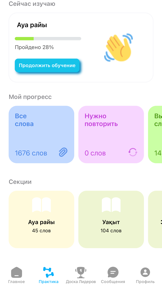
Snapshot
Who is Dastan Makhutov?
Providing digital tools for Islamic study and language learning. Focused on creating accessible, audio-centric environments for personal development.
Target audience


Portfolio
Free 4Last updated

Quranify: Quran Audio Player
v2.0.8
5mo ago
Publisher DNA
What defines Dastan Makhutov?
Publisher DNA
Primary focus
Religious reference and educational language tools
Scale
indie
Target audience
Muslims seeking structured religious guidance and Russian-speaking individuals pursuing Kazakh language proficiency.
Signature Patterns
- •Strong focus on audio-based and interactive learning modules
- •Consistent use of free-access pricing models across the portfolio
- •Targeting specific cultural and religious demographics
- •Integration of progress tracking and structured lesson paths
Portfolio momentum
Released 18 updates across 4 apps in the last 6 months, indicating a high-frequency development cycle.
Portfolio
What does Dastan Makhutov ship?
Apps
4 apps analysed

Progress tracking and streaks build daily habit formation
- AI-assisted learning provides personalized feedback on prayer accuracy

- AI-driven clothes changer provides immediate utility hook

Cultural immersion modules provide a unique value hook for heritage learners.
- Niche localization for Russian-speaking users creates a clear entry barrier for global competitors.
Distributed across 4 markets, strongest in Americas.
Based on 4 of 4 apps with localized market data · last scanned .
Americas (1)
- United States4 / 4
Europe (3)
- France1 / 4
- Germany1 / 4
- Spain1 / 4
Core markets (4/4 apps)
Rivals
Who does Dastan Makhutov compete with?
The rivals identified
Nemeses(4)

This app competes directly for the foundational Islamic education market by focusing on the mechanics of recitation and script, which are prerequisites for the Salah-focused learning provided by FaithED.


Both applications target the same demographic of Muslims seeking digital Quranic tools, with Al Quran القرآن competing for daily usage through prayer tracking and religious study features.


Both apps compete for the daily religious habit of the global Muslim population, with Quran Majeed serving as a comprehensive reference tool while Quranify targets the audio-focused study niche.

known for Hiragana Memory Hint [English]
This app competes directly for the language-learning beginner demographic by utilizing mnemonic-based visual learning, which mirrors KazLang's focus on foundational alphabet and vocabulary acquisition.
Contenders(24)


This app targets the same Islamic education audience by focusing on the memorization of Quranic text, which overlaps with the surah-learning component of FaithED.


Both apps target the same audience of Quran listeners, competing directly through audio-focused recitation libraries and offline playback capabilities.


Both apps target the Quran study market, but Quranify focuses on ambient audio habits while Coran 360 targets active memorization and study tools.


Both apps target the Quran study market, but Quranify focuses on ambient audio habits while Coran 360 targets active memorization and study tools.


While serving a different religious demographic, it competes for the same 'daily religious study' time-slot and user intent for structured, audio-supported spiritual education.


Both apps compete for the same daily-habit attention by offering audio-based Quranic engagement, with myQuran providing additional text-based study tools that overlap with the core utility of Quranify.


Both apps compete for the same daily habit loop among Muslims, though they diverge on utility: Quranify prioritizes ambient audio listening, while Al Quran focuses on linguistic study and grammatical analysis.


This app targets the same 'gamified learning' audience, using RPG mechanics to make vocabulary study more engaging.


It competes for the same casual learner segment by using gamified progression systems to reinforce language recognition.


This app challenges KazLang by leveraging modern AI to provide real-time conversational practice and feedback.


Both applications target the Muslim community for daily Quranic engagement, competing for user attention through audio recitation and study-focused features.


Both apps target Muslims seeking Quranic audio, but Quranify focuses on ambient productivity while Quran Pro targets linguistic study and memorization.


Both applications target the same audience of Quran students and share core audio recitation features, forcing users to choose between Quranify's ambient-focus utility and Quran Explorer's reference-based utility.


Both apps compete for the same user base of Muslims seeking Quranic engagement, but Quran 13 Line targets traditional script-based reading while Quranify focuses on audio-ambient study environments.


Both applications target Muslims seeking Quranic engagement through audio, creating direct competition for daily listening time and spiritual habit formation.


Both applications target users seeking Quranic engagement, but Quranify focuses on ambient audio for focus while Holy Quran Lite prioritizes traditional text-based study and memorization.


Both apps compete for the same daily-habit audience, with overlapping audio recitation features serving as a direct point of comparison.


Both apps target the same audience of Muslims engaging with the Quran, but they diverge between audio-based productivity and traditional visual memorization.


Both apps target the same Muslim user base for Quranic engagement, though they diverge on the primary interaction mode of audio-ambient listening versus visual-reference reading.


Both apps compete for daily user engagement by targeting individuals seeking Quranic study tools, with Hudaa providing a broader utility set that overlaps with the time users spend in Quranify.


This app competes for the attention of users seeking deep-dive religious education through expert-led content and structured study series.


It competes for the 'religious organization app' market, offering a platform-based approach to digital faith engagement that FaithED users might eventually seek.


Both apps compete for the same daily Quranic engagement habit, though they diverge between Quranify's passive ambient listening and Tarteel's active memorization and recitation tracking.


It competes for the intermediate learner's time by offering content-heavy, story-based immersion lessons.
Same space(29)


Ayah targets the same high-intent study audience as Quranify but focuses on a clutter-free, text-first reading experience.


Noor serves as a daily engagement tool for spiritual reflection, contrasting with Quranify's focus on long-form audio for deep work or study.


This app directly mirrors Quranify's ambient-sound integration by blending Quranic recitation with white noise for sleep.


Quran Reader provides a similar digital Mushaf experience to Quranify, focusing on high-resolution reading and study tools.


This app targets the same study-focused audience as Quranify but emphasizes deep commentary and reflection.


Muslim Pro functions as a broad-spectrum religious dashboard that captures the same daily-active audience as Quranify but through a wider utility set.


Muslim Pro acts as a comprehensive lifestyle dashboard that competes for the same daily-session frequency as Quranify.


Audio Quran functions as a specialized reference library for recitations, whereas Quranify focuses on ambient audio environments for productivity.


This app shares the audio-centric, habit-forming design of Quranify but applies it to a different spiritual text.


This app focuses on the audio-recitation aspect of Quranify, offering a simple, offline-first experience.


This app serves as a specialized educational reference that complements the broader Quranic study tools found in Quranify.


This app is a direct peer in the 'alphabet learning' category, focusing on foundational character mastery.


It competes in the broader language education and communication space by using AI to visualize speech.


It occupies the same educational utility space by using AI to assist with dictation and character writing practice.


HAIR competes for the same lifestyle-focused audience by providing expert advice and style-related content within the beauty and fashion vertical.


UNIFORM competes directly by offering a digital closet and outfit generation platform that targets the same fashion-conscious demographic as Wearify.


This app competes for the user's attention within the lifestyle and fashion discovery category, focusing on editorial content rather than AI tools.


WeMuslim serves as a direct alternative for users seeking an all-in-one faith tool that integrates prayer tracking with Quranic reading.


This app serves the study-focused subset of Quranify's audience by providing granular word-by-word analysis.


This app provides a similar audio-first experience to Quranify while adding broader Islamic utility features.


Golden Quran targets the scholarly segment of the Quranify audience by offering deep linguistic and interpretive study tools.


It serves as a reference-based peer, focusing on the technical phonetic aspects of language learning.


This app provides a similar recitation-focused experience to Quranify, emphasizing high-resolution pages and offline playback.


This app acts as a multi-purpose assistant that overlaps with Quranify's core audio utility while adding library and prayer features.


This is a legacy reference tool that competes for the attention of users looking for offline, dictionary-style religious information.


This app serves as a focused utility companion for daily prayer, overlapping with the religious-habit aspect of Quranify.


This app competes for the same daily-habit user by offering a centralized interface for prayer, Qibla, and Quranic study.


This app addresses the educational needs of users who want to improve their recitation skills, complementing Quranify's listening focus.


Deen Buddy provides interactive AI guidance for study, while Quranify remains a passive audio player for environmental focus.
New entrants(8)


As a new entrant in the religious education space, it signals a trend toward interactive, devotional-based learning that FaithED should monitor.


A new general-purpose education app that competes for the same user base interested in flexible skill acquisition.


SkinGPT AI enters the market with a focus on AI-driven style and wardrobe management, overlapping with Wearify's core AI-first value proposition.


AYYA competes for the same daily-habit user by gamifying the Quranic reading experience to reduce digital distraction.


This app targets the cognitive training aspect of learning, which is a secondary but relevant component for users memorizing prayers or surahs.


A new entrant in the education category focusing on time-bound assessment and testing.


Mustami is a direct competitor in the audio-player space, prioritizing a clean, reciter-first experience without ads.


Fitora is a new entrant that combines outfit libraries and community access, directly challenging Wearify's goal of being a personal virtual wardrobe.
The Analyst's Read
The bottom line on Dastan Makhutov
Bottom line
This publisher maintains a high-velocity development cadence within a specialized educational and religious niche. Their ability to drive significant engagement in the reference category suggests a strong product-market fit that could be further leveraged through more robust monetization strategies.
Frequently asked questions
How many apps does Dastan Makhutov publish?
What kind of apps does Dastan Makhutov make?
What is Dastan Makhutov's top app?
In how many countries are Dastan Makhutov's apps available?
What fed this analysis
- Apps analyzed:
- 4
- With full intel:
- 3
- With overview:
- 4
- Website scraped:
- yes
- Social presence:
- no
