


Deutsche Bahn
 DB Navigator

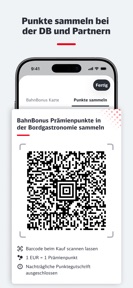


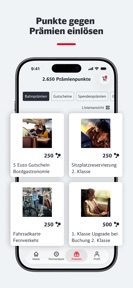


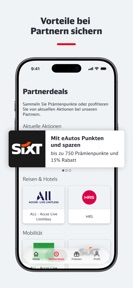
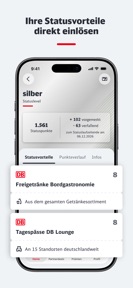


Publisher DNA
What defines Deutsche Bahn?
AI intelligence is not yet available for Deutsche Bahn. The portfolio data below is up to date.
Portfolio
What does Deutsche Bahn ship?
Apps
6 apps analysed

Analysis in progress

Analysis in progress

Komfort Check-in reduces operational friction for staff and passengers
- Reliability of real-time travel notifications
- Booking flow complexity
Analysis in progress

Community-driven data aggregation creates a B2B value proposition for municipal traffic planning
- Deutsche Bahn brand integration provides immediate trust for regional reward partnerships
Distributed across 2 markets, strongest in Americas.
Based on 2 of 6 apps with localized market data, more coverage rolling in as scans complete · last scanned .
Americas (1)
- United States2 / 2
Europe (1)
- Germany1 / 2
Core markets (2/2 apps)
User Sentiment
How do users feel about their apps?
1
Positive apps
0
Neutral / mixed
0
Negative apps
85/100
Avg sentiment score
Rivals
Who does Deutsche Bahn compete with?
The rivals identified
Nemeses(2)

Both apps compete for the European rail traveler, with overlap in journey planning and itinerary management features.


This app directly competes for the core cycling tracking audience by offering granular performance metrics and GPX management that appeal to serious cyclists.
Contenders(8)


BVG Jelbi competes for the same urban commuter base in Berlin by bundling micro-mobility and public transit into a single registration, directly challenging the national rail app's role as the primary transit interface.


A legacy contender that competes for the activity logging market, though it lacks the modern reward-based incentives of DB Rad+.


Competes by offering a modern, sensor-integrated tracking experience that targets the same health-conscious cyclist demographic.

known for MVV-App
Both apps compete for the same public transport commuters in Germany, with MVV-App serving as a regional alternative for Munich-based travel that overlaps with the national coverage of DB Navigator.


Targets the multi-sport outdoor enthusiast, overlapping with DB Rad+ users who use their bikes for both commuting and recreation.


Both apps compete for the same German public transport commuters, with Rheinbahn targeting the Rhine-Ruhr region while DB Navigator covers national rail travel.


SBB Mobile competes with DB Navigator by serving the same cross-border commuter audience that requires rail ticketing and real-time service updates across the German-Swiss transit corridor.


Both apps compete for the same commuter demographic in the Rhine-Ruhr region, with the rival capturing local transit demand through specialized regional integrations that bypass the complexity of the national DB Navigator interface.
Same space(9)


Both apps leverage cycling activity to drive user engagement, though this app focuses on gamification through virtual environments.


Focuses on the biomechanical aspect of cycling, serving the same user base that tracks their rides for health and performance.


DVB mobil provides Dresden-specific transit data, including safety features and occupancy tracking, which offers a localized alternative to national rail information.


This app competes by providing deep integration with eBike hardware, overlapping with DB Rad+ users who utilize eBikes for their commutes.


KVB-App functions as a regional mobility hub in Cologne, offering multimodal services like car-sharing that complement the national rail focus of DB Navigator.


Düsseldorfer Bus & Bahn functions as a specialized schedule tool for Düsseldorf, targeting commuters who prefer a paid, ad-free experience over the free national rail app.


It serves the same active cycling demographic by providing sophisticated training analytics and health data synchronization.


VBB Bus & Bahn acts as a hyper-local transit utility for Berlin and Brandenburg, providing granular regional data that supplements national rail information.


Both apps target the cycling community by focusing on performance metrics and sensor-based data collection during rides.
New entrants(3)


A privacy-focused tracker that competes for the daily logging market by emphasizing equipment maintenance.


A new entrant using AI to solve physical discomfort, competing for the attention of the same cycling user base.


This newcomer targets the same cycling audience with a focus on AI-driven training plans that could pull power-users away from simple tracking apps.
