


Direct Cursus Computer Systems Trading
For general mobile users seeking all-in-one solutions for daily tasks, ranging from urban navigation and transit to media consumption and productivity.
 Yandex Browser with Alice AI


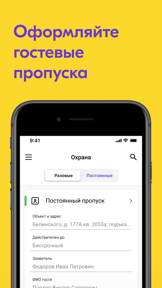





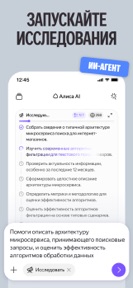


Snapshot
Who is Direct Cursus Computer Systems Trading?
Providing a comprehensive ecosystem of digital utilities, navigation, and entertainment tools for daily life. Streamlining information access and urban mobility through integrated AI-powered services.
Target audience


Portfolio
Free 82Last updated

Yandex Browser with Alice AI
vVARY
5mo ago
Publisher DNA
What defines Direct Cursus Computer Systems Trading?
Publisher DNA
Primary focus
Digital utilities, navigation, and media ecosystem
Scale
scale-up
Target audience
General mobile users seeking all-in-one solutions for daily tasks, ranging from urban navigation and transit to media consumption and productivity.
Signature Patterns
- •Deep integration of proprietary AI assistant (Alice) across search, browser, and navigation tools
- •Focus on multi-modal utility apps that combine navigation, transit, and local information
- •Hybrid monetization model utilizing both free-to-use utility access and subscription-based media services
- •Strong emphasis on cross-device synchronization and security features in productivity and browser tools
Portfolio momentum
Released 63 updates across the portfolio in the last 6 months, demonstrating a high-frequency development cycle across core utility and navigation titles.
Portfolio
What does Direct Cursus Computer Systems Trading ship?
Apps
82 apps analysed

Specialized UI tailored for ad spend optimization reduces cognitive load for advertisers
- Native integration with Yandex advertising infrastructure enables precise campaign performance management


Syncing of custom segments from desktop configurations maintains consistency across the analytics workflow
- On-the-fly sampling management allows for granular data control without desktop access

Distributed across 20 markets, strongest in Europe.
Based on 28 of 82 apps with localized market data, more coverage rolling in as scans complete · last scanned .
Americas (4)
- United States28 / 28
- Brazil7 / 28
- Mexico7 / 28
- Canada2 / 28
Europe (9)
- France7 / 28
- Germany7 / 28
- Italy7 / 28
- Netherlands7 / 28
- Portugal7 / 28
›+4 more europe markets
- Spain7 / 28
- Sweden7 / 28
- Turkey2 / 28
- United Kingdom2 / 28
Asia-Pacific (7)
- Japan7 / 28
- South Korea6 / 28
- Indonesia3 / 28
- Australia2 / 28
- India2 / 28
›+2 more asia-pacific markets
- Singapore2 / 28
- Vietnam2 / 28
Core markets (28/28 apps)
User Sentiment
How do users feel about their apps?
3
Positive apps
2
Neutral / mixed
6
Negative apps
48/100
Avg sentiment score
Unlock the app dragging this portfolio down.
Access the full report for freeRivals
Who does Direct Cursus Computer Systems Trading compete with?
The rivals identified
Nemeses(13)


Both apps provide multi-modal navigation and local business discovery, competing for users who prioritize real-time transit and location-based services.


Both applications compete for the same urban commuter and driver audience by providing real-time navigation and traffic-aware routing.


Both applications provide browser-based, link-accessible video conferencing for remote communication, directly competing for users seeking frictionless meeting entry.


Both apps compete for mobile users seeking all-in-one browsing utilities that bundle security and media-handling features, despite their differing regional focus.


Both applications target urban drivers and commuters with turn-by-turn navigation and point-of-interest discovery, directly competing for the same daily navigation utility.


Both applications target the same user base by providing localized weather forecasting and radar tracking as free utilities.


Both apps compete for the same audio-streaming audience by bundling music, podcasts, and audiobooks into a single subscription service.


ALICE Staff directly competes for the same property management and operational workflow audience by providing task management and access control tools for facility staff.


While Ads Manager 2024 focuses on ad operations, Mercado Pago competes for the same professional user's wallet and business management time by integrating financial services directly into the workflow.

known for KION – оригинальный кинотеатр
KION competes by offering a direct streaming alternative with original content and a multi-device viewing model, targeting the same Russian-speaking audience as the streaming component of Кинопоиск.


Both apps compete for users seeking free, multimodal AI assistants for productivity and content creation, with direct overlap in document analysis and image processing capabilities.


Both platforms compete for the same event-booking audience by providing digital ticket management and venue visualization tools for live entertainment.


Both platforms provide map-based property discovery and search filters for residential and commercial real estate, targeting users seeking to buy or rent properties.
Contenders(75)


Targets professional drivers with specialized vehicle-dimension routing that Yandex lacks for heavy-vehicle navigation.


Provides a focused navigation tool for daily commuters, competing on map accuracy and traffic management.


Both apps compete for the same general-purpose AI assistant user base by offering free, generative text responses for daily tasks. They overlap in core functionality, targeting users who require instant answers to questions across work, health, and entertainment categories.


Both apps compete for urban commuters and navigation users, with Yandex Maps & Navigator providing general multi-modal routing while Bikemap targets the specific niche of bicycle-optimized pathfinding.


Offers multi-modal transit and offline navigation as a privacy-conscious alternative to Yandex's ad-heavy platform.


Both applications target urban commuters and travelers with multi-modal routing, creating direct competition for users seeking reliable navigation and local discovery tools.


Both applications provide free, ad-supported navigation and real-time traffic data, targeting commuters who require reliable routing and local discovery.


Both apps compete for navigation and local search users, with Organic Maps targeting the privacy-conscious and outdoor-focused segment that Yandex Maps & Navigator also serves through its offline capabilities.


Both apps target users requiring reliable offline navigation, creating direct competition for commuters and drivers who need consistent routing in areas with limited connectivity.


Targets the same business-management user base by providing specialized dashboard tools for profitability and market data tracking.


Both apps compete for the same general productivity and creative assistant audience by offering free multimodal text and image generation capabilities.


Both platforms provide map-based property search and direct communication tools for residential rentals, competing for the same user base seeking property discovery.


Waye competes by offering crowdsourced incident reporting and speed limit monitoring, features that directly address the gaps in Yandex Navigator's current feature set.


Both apps target productivity and creative tasks through multimodal AI, competing for users seeking versatile assistants for research and content generation.


Both browsers target privacy-conscious mobile users by offering integrated security tools, creating a direct overlap in the mobile utility market.


Both platforms provide map-based property discovery and search filters for residential and commercial real estate, competing for users seeking property transactions.


Both applications target the same user base by providing free, link-based video conferencing tools for remote communication and collaboration.


Both apps target the Russian-speaking market for streaming movies and series, competing for user attention within the same mobile entertainment category.


Both browsers compete for privacy-conscious and utility-focused mobile users, with Yandex emphasizing AI-driven content translation while Brave prioritizes ad-blocking and independent search.


Competes for the administrative time of business users by managing account funding and financial benefits within a mobile interface.


Both apps compete for the same productivity-focused user base by offering free generative AI tools for text creation and task management.


Both platforms serve as digital marketplaces for residential property discovery, competing for the same user base of homebuyers and renters through map-based search and listing management.


Both platforms target professionals needing browser-based meeting access, creating direct competition for users who prioritize frictionless entry over enterprise-grade feature sets.


Both applications target mobile users seeking productivity and media management tools, with Bolt Browser focusing on file organization and offline access while Yandex Browser emphasizes AI-driven translation and search.


Both apps target the productivity-utility segment by providing multimodal AI assistance for research and content creation tasks. They compete directly for users seeking a single interface to manage text, image, and document analysis.


Both platforms compete for the same music and podcast listener base by offering personalized discovery algorithms and offline playback capabilities.


Both apps target users seeking offline music playback, with the rival positioning itself as a lightweight, offline-first alternative to subscription-based streaming services.


While functionally different, it competes for the same 'Utilities' category real estate on the user's device.


Both platforms provide event discovery and ticket purchasing services, competing for users seeking centralized tools to manage live entertainment bookings.


Both apps target drivers with free, traffic-aware navigation and voice-guided routing. They compete for the same user base seeking cost-free alternatives to standard mapping software.


Both applications provide offline map navigation, but they serve distinct use cases: Yandex Maps & Navigator focuses on urban transit and real-time traffic, while Guru Maps Pro targets outdoor and off-road navigation.


Both apps compete for the same driver audience by providing free, voice-activated navigation and traffic alerts. They overlap directly in the free utility category for mobile mapping.


Both applications target the video conferencing market with free, link-based access models for remote communication.

known for MapXplorer: Map Radar Navigate
Both apps target commuters with navigation and offline map capabilities, creating direct competition for users requiring reliable transit and location discovery.


Both applications target users prioritizing offline audio playback, with the rival offering direct file management while Yandex Music, Books & Podcasts provides a subscription-based discovery service.


Both applications target urban commuters and drivers by providing route planning, traffic awareness, and location-based navigation tools. They compete directly for the same user base seeking daily travel assistance.


Both applications compete for the same music streaming audience by offering unlimited song libraries and personalized discovery features within the audio category.


Both apps target mobile users seeking utility-focused browsing, specifically those prioritizing data efficiency and integrated browser tools.


Both apps compete for the same driver audience by providing turn-by-turn navigation and route planning for daily commutes and road trips.


Challenges the target app by providing AI-driven data processing and market analysis, appealing to the same data-centric professional demographic.


Both applications target the productivity-focused AI assistant market, competing for users who require document analysis and complex reasoning for professional and research tasks.


Both apps compete for mobile browsing time by offering integrated ad-blocking and security tools, though they target different user needs: persistent, AI-enhanced browsing versus ephemeral, privacy-focused sessions.


Both apps target users seeking offline music playback, but the rival removes the subscription barrier and account requirement that Yandex Music mandates for offline access.


It competes for the same operational efficiency market by providing dispatch and parcel custody tracking for property-based staff.


Both apps compete for the same user base by providing mobile-first event discovery and ticket purchasing services for local entertainment venues.


Both apps target mobile users with integrated AI assistants and security-focused browsing tools, creating direct competition for users prioritizing localized or privacy-centric browsing experiences.


Both applications target the same productivity and creative user segments by offering text generation, image creation, and brainstorming assistance. They compete directly for users seeking AI-driven solutions for daily tasks and professional content creation.


Both platforms function as event ticket marketplaces, competing for the same user base seeking local entertainment and leisure bookings.


Both applications provide video conferencing solutions, targeting users who require remote communication tools for virtual meetings.


Both apps provide map-based property search and direct communication tools for real estate transactions, competing for users seeking efficient property discovery.


Both apps compete for the same audio-streaming audience by bundling radio, podcasts, and music, forcing a choice between Yandex Music's personalized discovery and Radioplayer's direct broadcaster access.


Both apps compete for mobile users seeking efficient web search and browsing, targeting the same utility-focused audience on iOS.


Both platforms provide map-based property discovery and direct communication tools for residential real estate, competing for the same audience of property seekers.


Both platforms operate as digital marketplaces for residential property transactions, competing for the same audience of buyers and renters seeking efficient search and discovery tools.


Both platforms function as digital real estate marketplaces, competing for the same user base seeking residential property rentals through map-based discovery and search filters.


Both applications target users seeking offline audio access, but Offline Music Player attracts those prioritizing local file management and cloud storage integration over the discovery-focused streaming model of Yandex Music.


Both applications target students and professionals with multimodal AI tools for research and content creation, creating direct competition for users seeking productivity assistants.


Both applications target remote teams and business professionals with video conferencing tools, competing for the same user base seeking accessible meeting solutions.


This app competes by offering overlapping task tracking and team communication features for mobile workforces.


Both platforms compete for the same Russian-speaking audience by offering subscription-based access to movies and television series.


Both apps target users seeking specialized browsing utilities, with Yandex Browser focusing on AI-driven content consumption and Secret Browser on physical-device privacy.


MP3 Downloader competes by offering a zero-cost, subscription-free alternative for offline music playback, directly targeting users frustrated by Yandex Music's subscription-gated offline access and recent interface instability.


Both applications compete for users seeking AI-powered image generation and productivity tools within a single interface.


Both apps target professionals and students for document analysis and content generation, creating direct competition for users seeking a centralized AI productivity tool.


Both browsers compete for the same mobile user base by integrating AI to automate information retrieval and content consumption.


Both apps provide event discovery and ticketing services for local entertainment, competing for the same user base seeking live event access.


Both platforms target event-goers, competing for user attention in the live entertainment booking space through seat-selection tools and ticket management.


Both platforms provide map-based property discovery and search filters for residential real estate, competing for the same user base seeking rental or purchase listings.


Both apps target mobile-first users in emerging markets with media-centric features like video downloading and translation, creating direct competition for daily active usage.


VOKA competes by aggregating content from multiple third-party streaming services like START and PREMIER while offering live television channels, directly challenging the streaming library of Кинопоиск.


Both apps target drivers requiring route planning, but ViaMichelin focuses on trip cost and curated travel data while Yandex Navigator prioritizes real-time traffic and voice-activated navigation.


Competes for the attention of business-minded users by offering digital wealth and loan management tools that overlap with the financial oversight needs of ad agencies.


Both apps target users seeking offline music playback and podcast access, creating direct competition for users prioritizing local file management and offline listening.


Both applications target remote teams and educators with video conferencing tools, though Uzmeet attempts to differentiate through integrated whiteboards and document editing capabilities.


This is a direct threat in the property management space, offering robust work order management and enterprise integration.
Same space(157)


Avenza Maps serves outdoor users who require offline functionality, a core feature also found in Yandex Maps.


calimoto serves motorcycle riders, offering specialized routing that complements Yandex Maps' general navigation.


Blitzer.de PRO provides real-time hazard alerts, serving as a specialized traffic assistant for drivers.


Radarbot serves the same driver audience as Yandex Maps but focuses on legal compliance via speed camera detection.


Moovit complements Yandex Maps by providing a dedicated hub for public transit tracking and digital ticketing.


Targets professional delivery drivers with multi-stop optimization that exceeds Yandex's consumer-focused routing capabilities.


Serves as a specialized transit utility for South Korean commuters, focusing on official transit data accuracy.


A View From My Seat focuses on community-sourced visual previews of venues to assist users in making informed seat selections.


Supports hikers and remote users through offline-first functionality and wearable device integration.


Serves professional users and storm trackers through a proprietary mapping engine and specialized data layers.


MoviesBox provides a broad entertainment hub for tracking global content, overlapping with the database and discovery features of the source app.


Cinema Box competes on the discovery front by using algorithmic curation to surface content, similar to the recommendation engine in the source app.


Provides an open-source, ad-free podcast experience for users who dislike Yandex's ad-supported model.


This app acts as a data-saving alternative for Yandex users in regions with high roaming costs.


Proxy Browser offers regional bypass capabilities that compete with Yandex's localized browsing tools.


This app competes for the same productivity-focused audience by offering multi-model AI access, though it relies on a different monetization model than the free Alice AI.


ATG Tickets integrates pre-theater hospitality and in-seat ordering into the booking process for a specialized theater-going experience.


Serves as a free alternative for users seeking trending tracks and offline access without a subscription.


Provides a comprehensive tool for users requiring precise weather intelligence and environmental monitoring.


AXS utilizes proprietary venue-entry technology to manage primary and secondary inventory, contrasting with the aggregator model of Yandex Afisha.


Badi targets the room-rental segment with a social-matching approach that connects tenants and listers directly, differing from traditional agency-led models.


Bayut competes for the same high-intent property seekers by using verification mechanisms to solve the listing accuracy issues common in regional marketplaces.


Operates in the same professional business utility space by providing mobile-first payment and terminal solutions.


Blink combines real-time location sharing with messaging, serving as a social utility that complements Telemost's meeting-based communication.


TOR Browser provides an anonymous browsing alternative for users prioritizing privacy over Yandex's AI-assisted features.


This app appeals to drivers needing environmental data like weather and elevation, which Yandex lacks for specialized trip planning.


This app provides a specialized workflow for delivery drivers who use Yandex for general navigation but need stop-management tools.


Citymapper targets the same urban commuters as Yandex Maps but prioritizes transit-first navigation over general mapping.


Stars Messenger Kids provides a controlled communication environment for families, serving as a niche alternative to Telemost's professional-focused tool.


Provides a robust offline navigation tool for travelers, serving as a direct alternative to Yandex for connectivity-constrained users.


Apartments.com offers a specialized rental-focused workflow that provides deeper unit-level detail than the broader marketplace approach of Yandex.Realty.


Functions as a dedicated road safety and hazard alert system that complements Yandex's broader navigation utility.


EVENTIM DE acts as a centralized hub for regional event discovery, offering personalized recommendations similar to the aggregation features of Yandex Afisha.

known for
Offers a no-WiFi playback solution for users avoiding Yandex's data-heavy streaming requirements.


GPS Tracks serves outdoor professionals, offering waypoint logging and offline maps similar to Yandex Maps.


This app allows drivers to check specific route congestion before starting a trip on Yandex.


Focuses on simple radar tracking for users needing immediate storm and rain visualization.


Competes for screen real estate and user attention within the utility/tools category through widget-based functionality.


Offers a clean, simple local library manager for users who find Yandex's features excessive.


Captures Galaxy users through hardware-level integration that Yandex cannot replicate.


Provides general meteorological data and radar maps for users seeking a standard weather utility.


Provides a battery-efficient local player for users concerned about Yandex's resource usage.


Fever offers exclusive pop-up experiences that differentiate from the generalist event aggregation model of Yandex Afisha.


Provides advanced radar visualization for users tracking specific storm systems and projected paths.


LinkLive enhances video calls with AI effects, providing a creative layer that Telemost lacks for professional or casual meetings.


FNAC SPECTACLES provides a regional event discovery platform that allows users to track artists and venues for personalized updates.


This app focuses on commercial vehicle operators who need infrastructure-specific routing beyond Yandex's capabilities.


Gametime focuses on last-minute transaction velocity, providing a distinct alternative for users seeking immediate event access.


This app extends navigation utility to dedicated automotive hardware users who require synchronization between their vehicle and phone.


Gabary serves leisure-vehicle owners, providing dimension-aware routing for French roads.


GoTickets employs an all-in pricing model to provide transparent costs, contrasting with the fee-based structures of many secondary marketplaces.


Offers a deep podcast library with migration tools for users moving away from Yandex's podcast section.


Provides a simple local playback alternative for users who find Yandex's interface cluttered.


HotPads serves as a high-volume rental discovery tool that utilizes automated alerts to capture users who prefer passive monitoring over active searching.


Competes for the user's daily scheduling and task management needs within the residential utility ecosystem.


Hulu serves as a direct streaming competitor in the U.S. market, offering live television and DVR capabilities that differentiate it from the database-focused model of the source app.


Provides a retro-styled local player for users who dislike Yandex's modern interface.


This app targets commuters who need route-specific traffic alerts that Yandex's general engine misses.


Serves as a simple local player for users who want to organize files by folder without Yandex's cloud sync.


Immoweb acts as the primary Belgian property hub, using its massive listing volume to maintain a B2B lead-generation advantage over smaller platforms.


imo serves as a high-volume international calling utility that complements Telemost's video conferencing focus.


Provides a local playback utility for users who prefer managing their own files over Yandex's streaming model.


This app functions as a direct chatbot alternative, utilizing the Gemini model family to provide creative and reasoning support for similar user tasks.


This app competes by offering a rewards-based shopping interface that incentivizes user engagement through cash back and product discovery.


Marco Polo focuses on asynchronous video messaging, providing a persistent emotional connection tool that contrasts with Telemost's live meeting focus.


Kino.kz serves as a regional ticketing platform for physical cinema and event attendance, complementing the digital viewing experience of the source app.


JusTalk focuses on low-latency video calling, providing a direct alternative for users requiring more persistent interaction than Telemost's link-based meetings.


This app provides specialized delivery optimization for drivers who use Yandex for navigation.


X Browser offers a basic, fast browsing experience that serves as a lightweight alternative to Yandex.


Fasten Russia serves the same ride-hailing audience as Yandex Go, providing an alternative for urban transport.


Targets power users who reject Yandex's internet-dependent streaming by enforcing a strictly offline architecture.


Kultur targets regional cultural events in Spain with a focus on last-minute inventory, serving a niche geographic segment.


Operates in the same utility category by providing tools for managing multiple digital identities and communication streams.

known for
Acts as a lightweight local player for users who want to manage files without Yandex's cloud-based subscription.


Functions as a localized transit hub for Leipzig, offering integrated booking for various mobility services.


This is a direct functional competitor that mirrors the core value proposition of cashback aggregation and coupon discovery for online shoppers.


LINE functions as a consolidated lifestyle and messaging platform in Asia, contrasting with Telemost's single-purpose utility.


This app provides a specialized hazard-detection layer for drivers who use Yandex for general routing.


Map Events centralizes local event discovery through geolocation, providing a broader scope of community activities than the ticket-focused Yandex Afisha.


This app provides an offline mapping alternative for Yandex users traveling in areas with limited cellular connectivity.


COLIZEUM is an adjacent service that manages physical esports venues, targeting the same entertainment-focused demographic through a different medium.


Provides a basic local playback utility for users who prefer offline storage over Yandex's streaming.


Aegis Browser targets privacy-conscious users with biometric security, contrasting with Yandex's AI-assistant-first approach.


Vira acts as a social discovery app for meeting new people, serving as a casual alternative to Telemost's professional meeting tool.


Messenger integrates the Meta social graph into daily messaging, providing a persistent communication layer that Telemost lacks.


Appeals to meteorology enthusiasts by utilizing the ECMWF prediction model for higher accuracy.


Provides detailed trip planning and Michelin-curated points of interest for travelers, complementing Yandex's local service booking.


Yandex Go shares the same developer as Yandex Maps, bundling mobility services into a single interface.


nandbox Messenger offers multi-persona management for privacy-conscious users, serving as a complex alternative to Telemost's simple meeting focus.


Japan Travel serves tourists in Japan, providing specialized transit planning similar to Yandex Maps' local search.


Targets storm trackers and enthusiasts who require high-fidelity satellite imagery and historical weather data.


SkyDuo provides secondary phone numbers and international calling, serving as a communication utility that Telemost does not offer.


Offers a niche, high-fidelity streaming experience for specific game soundtracks that Yandex does not provide.


onX Offroad serves motorized off-roaders, providing specialized land-ownership data for remote navigation.


TicketNew specializes in movie ticket booking, offering a focused utility for cinema-goers compared to the multi-category approach of Yandex Afisha.


This app serves as an open-source alternative for users requiring granular control over map data and vehicle-specific routing parameters.


Paramount+ acts as a content-first streaming service that competes for user attention by offering exclusive series and blockbusters.


Halt targets the same mobile browsing segment as Yandex, focusing on speed without AI-assistant overhead.


Trailforks serves the outdoor navigation niche, providing specialized trail data that Yandex Maps lacks.


Provides a standard navigation experience with voice guidance for users seeking basic routing assistance.


Offers a specialized podcast and audiobook experience for users who find Yandex's podcast section insufficient.


Appeals to audiophiles who require high-fidelity sound shaping beyond Yandex's standard streaming output.


Property Finder uses financial services and agent ranking to lock in users, creating a more complex transaction-oriented funnel than Yandex.Realty.


Maxim serves international commuters with multi-modal booking, similar to Yandex Go's transport services.


Movie Plex functions as a tracking and discovery tool, mirroring the database features of the source app without providing streaming.


Shares the same 'business utility' category, providing specialized calculation tools for financial planning and debt management.


Provides essential financial utility tools that are frequently used by the same global business audience as the target app.


Focuses on severe weather notifications to help users plan around extreme events like tsunamis.


This app offers multi-stop optimization for delivery drivers who use Yandex for turn-by-turn guidance.


This app focuses on linguistic utility for travel and document translation, serving as a specialized utility alongside the generalist productivity focus of Alice AI.


Acts as a general-purpose navigation utility providing basic routing and travel tools for daily commuters.


SeatGeek provides interactive seating charts and value-based deal scoring to assist users in making informed purchase decisions.


SeatGeek provides secondary market price transparency and visual seat tools that complement the primary-market focus of Yandex Afisha.


Zangi offers anonymous communication for users who avoid SIM-based registration, contrasting with Telemost's standard account-less link model.


Signal offers a privacy-first communication alternative for Telemost users who prioritize security over social graph integration.


Both apps operate within the broader digital commerce ecosystem, targeting users looking for value-added shopping experiences, though they serve different product verticals.


GroupMe bridges the gap between app users and SMS users, providing a low-friction entry point for casual groups that Telemost lacks.


Cinema Box functions as a planning companion for movie nights, focusing on the social and organizational aspects of content consumption.


StubHub aggregates massive secondary market inventory, serving as a platform-agnostic alternative to the primary-focused Yandex Afisha.


Qino is a niche aggregator for UK showtimes, competing with the source app's database utility by providing granular local cinema filtering.


Ad Blocker and Browser Protect provides ad-blocking utility that overlaps with Yandex security tools.


MV Box acts as a discovery platform that helps users identify where content is available to stream, mirroring the informational utility of the source app.


Telegram provides a high-speed messaging architecture that complements Telemost's meeting utility for long-term group coordination.


TextMe provides secondary phone numbers for privacy, serving as a utility for side projects that Telemost's meeting-only model does not address.


TfL Go provides localized transit navigation for London, serving as a specialized alternative to Yandex Maps' general transit data.


Functions as a mass-market utility for users requiring high-accuracy forecasting and advanced radar features.


Theatr operates a peer-to-peer marketplace for theater tickets that removes markup-driven friction found in traditional secondary markets.


Ticket.ma enables event filtering and flexible payment options for a variety of music, sports, and theater events.


Ticketcorner provides a secure digital ticketing solution for Swiss venues, focusing on contactless entry mechanisms.


TickPick eliminates buyer service fees to compete on price, offering a distinct value proposition for cost-conscious event attendees.


Tixr bypasses third-party resale markets by providing direct-from-source verified ticketing for music and conventions.


TodayTix targets theater-specific inventory with unique access mechanisms that contrast with the broader event scope of Yandex Afisha.


Gaia GPS serves the same offline-navigation audience as Yandex Maps but focuses on professional GIS tools.


Transit serves the same urban commuter base as Yandex Maps, focusing on crowdsourced transit data.


This app focuses on live channel aggregation, providing a utility-based alternative for users seeking real-time broadcast content.


Addresses the professional trucking segment with specialized routing that Yandex does not support for heavy vehicles.


Trulia Rent focuses on the rental segment, offering granular neighborhood insights that help users evaluate living conditions beyond basic listing facts.


Targets users needing global earthquake monitoring alongside standard weather forecasting and radar.


Complements Yandex by providing live global radio access that the primary app lacks.


BiP bundles carrier-specific data incentives, providing a localized communication utility that Telemost lacks.


Tutu.ru serves travelers by aggregating booking options, complementing Yandex Maps' local search utility.


Viber offers international calling and messaging, serving as a persistent communication alternative to Telemost's temporary meeting focus.


Secure Private Web Browser provides a session-isolated environment that contrasts with Yandex's persistent AI-assistant integration.


Targets the same professional demographic looking for quick, mobile-based financial calculation and planning tools.


Provides a manual city-tracking alternative for users who prefer to avoid location permission requirements.


Offers a broad forecast range for users needing both minute-by-minute and long-term planning tools.


Leverages proprietary sensor networks to provide safety data for outdoor professionals and storm trackers.


Appeals to users needing quick overviews of current and upcoming weather for weekend planning.


Retains commuters and outdoor enthusiasts through interactive radar maps that visualize storm movements.


Acts as a precise geocoding utility for emergency services and logistics, serving as a specialized location layer.


what3words provides precise location identification, serving as a utility for navigation and logistics.


WhatsApp acts as the default global messaging utility, providing a persistent contact layer that contrasts with Telemost's transient meeting model.


Yahoo Launcher provides a search-first Android interface that competes with Yandex's browser-based search entry point.


Functions as a discovery tool to identify tracks that users can then search for on Yandex.


Acts as a comprehensive utility for users who want multi-city tracking and severe weather warnings.


Zumper integrates the entire rental lifecycle into one platform, moving beyond simple discovery to include application and payment features.


This app simplifies delivery workflows for drivers who use Yandex for general navigation.
New entrants(13)


A new utility app that competes for the user's time management and scheduling attention.


Offers standard real-time updates and radar maps for users needing daily weather planning.


A new entrant providing specialized financial calculators that compete for the same professional productivity time as the target app.


While focused on automotive shopping, this newcomer represents a shift toward utility-driven, data-heavy shopping assistants that compete for user screen time.


Relax Browser offers a disposable, session-based browsing tool that appeals to users avoiding Yandex's persistent tracking.


Provides an offline-first navigation experience for travelers, functioning as a specialized tool for connectivity-constrained environments.


RouteXL serves truck drivers with dimension-aware navigation, similar to other specialized GPS tools.


Enters the utility space with a focus on high-precision financial calculations, overlapping with the target's professional user base.


WeblioX provides an ad-blocking and privacy-focused browsing experience that competes with Yandex's security tools.


Targets users who want to maintain local music files for offline travel without Yandex's data requirements.


MapGT provides navigation with a gamified interface, offering a unique visual experience for drivers.


A new entrant in the productivity space that challenges how users organize and navigate information on mobile.


Acts as a free streaming alternative for users who prioritize offline saving over Yandex's subscription.
The Analyst's Read
The bottom line on Direct Cursus Computer Systems Trading
Bottom line
The publisher maintains a dominant position by bundling essential daily services into a cohesive, AI-driven ecosystem. Their ability to sustain high engagement across diverse categories like navigation and media suggests a successful lock-in strategy, though the high volume of abandoned apps indicates a need for more disciplined portfolio pruning.
Frequently asked questions
How many apps does Direct Cursus Computer Systems Trading publish?
What kind of apps does Direct Cursus Computer Systems Trading make?
What is Direct Cursus Computer Systems Trading's top app?
In how many countries are Direct Cursus Computer Systems Trading's apps available?
What fed this analysis
- Apps analyzed:
- 79
- With full intel:
- 0
- With overview:
- 79
- Website scraped:
- yes
- Social presence:
- no
