Dawid Pietrala
For language learners, linguistics professionals, and mobile power users seeking specialized phonetic input or rapid note-taking solutions.
 (How to) Pronounce








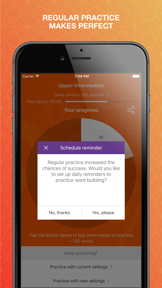


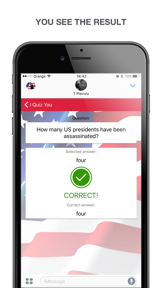


Snapshot
Who is Dawid Pietrala?
Developing specialized phonetic tools and mobile utilities for language learners and productivity-focused professionals.
Target audience


Portfolio
Free 7Last updated

(How to) Pronounce
v1.6.0
3.7y ago
Publisher DNA
What defines Dawid Pietrala?
Publisher DNA
Primary focus
Phonetic education and mobile productivity utilities
Scale
indie
Target audience
Language learners, linguistics professionals, and mobile power users seeking specialized phonetic input or rapid note-taking solutions.
Signature Patterns
- •Focus on phonetic accuracy and linguistic utility through IPA keyboards and pronunciation tools.
- •Automation of high-friction tasks, such as one-tap voice recording and automatic cloud syncing.
- •Monetization via a mix of free ad-supported versions and one-time purchase PRO upgrades.
- •Integration with external hardware and third-party ecosystems like Dropbox and Evernote.
Portfolio momentum
Maintained a steady development pace with 2 updates in the last 6 months, focusing on the continued viability of its core active titles.
Portfolio
What does Dawid Pietrala ship?
Apps
9 apps analysed

True Phonetics Keyboard - A Revolutionary Phonetic Keyboard for Android


Perfect your English with Pronounce! Discover 100+ free interactive lessons.


Unique hardware integration (bone conduction) creates a high switching cost.
- Strong, high-rated pedagogical methodology (ARRT).

Easily input hundreds of IPA phonetic symbols. Great for linguists & learners!


Distributed across 5 markets, strongest in Americas.
Based on 2 of 9 apps with localized market data, more coverage rolling in as scans complete · last scanned .
Americas (2)
- United States2 / 2
- Mexico1 / 2
Europe (2)
- Germany1 / 2
- Spain1 / 2
Asia-Pacific (1)
- Japan2 / 2
Core markets (2/2 apps)
Rivals
Who does Dawid Pietrala compete with?
The rivals identified
Nemeses(3)

Both apps target English learners seeking professional fluency, competing for the same high-intent user base through distinct pedagogical approaches: hardware-assisted repetition versus AI-driven conversation.


Both apps target the mobile productivity segment by providing one-tap voice capture and automated delivery to external services for rapid note-taking.


Both apps compete for mobile keyboard utility, targeting users who require specialized character sets beyond standard QWERTY layouts for language and phonetic transcription.
Contenders(21)


Both apps function as specialized keyboard utilities for language-specific input, targeting users who need to produce non-Latin characters for transcription or writing. They compete for the same user base of language learners and professionals seeking alternatives to standard system keyboards.


Both applications target English language learners, with Elyra focusing on conversational AI practice while (How to) Pronounce PRO targets pronunciation accuracy via hardware-integrated feedback.


Both applications target language learners, creating direct competition for users seeking to improve English fluency and communication skills.


Both applications target language learners seeking speaking proficiency, with BeeSpeaker utilizing AI-driven voice feedback while (How to) Pronounce PRO employs proprietary bone conduction hardware for pronunciation mastery.


Both apps compete for keyboard utility screen time by providing specialized character input methods for distinct linguistic requirements.


Both applications target language learners seeking pronunciation improvement, with Learna offering broad AI-driven conversation practice while (How to) Pronounce PRO focuses on specialized English fluency through hardware-backed repetition.


Both applications target English language learners seeking fluency improvements through daily practice, creating direct competition for the same user base.


Both applications target English language learners seeking pronunciation and speaking fluency, creating direct competition for the same user base.


Both applications target English language learners seeking fluency, but they diverge between YayTalk's AI-led conversation practice and the specialized auditory frequency filtering of (How to) Pronounce PRO.


Both applications provide specialized keyboard layouts for phonetic transcription, targeting users who require precise input of linguistic symbols.


Varta Keyboard competes for the same input-method utility space by targeting phonemic text entry, though it focuses on regional Indian languages rather than the International Phonetic Alphabet.


Both apps target users needing rapid voice-based capture for productivity, though Mem adds AI processing while Say&Go focuses on direct file routing to external storage.


Both apps target linguistics students and language learners requiring phonetic symbol input on mobile devices.


Both apps target linguistics students and language learners by providing specialized keyboards for International Phonetic Alphabet symbol input.


Both applications target English language learners seeking speaking fluency, creating direct competition for users prioritizing conversational practice over traditional grammar study.


Both applications target English language learners seeking fluency, with (How to) Pronounce PRO focusing on technical pronunciation mechanics while Hilingo emphasizes conversational AI practice.


Both apps compete for the same iOS keyboard extension real estate, targeting users who require specialized character sets beyond the standard QWERTY layout. They share a distribution model as free, third-party keyboard extensions.


Both applications target English fluency learners, but Stimuler AI captures high-intent test-takers through a subscription model while (How to) Pronounce PRO focuses on hardware-assisted pronunciation mastery.


Both apps target linguistics students and language professionals by providing specialized keyboard layouts for phonetic transcription.


Both apps target users requiring non-standard character input, though they serve distinct linguistic needs: IPA transcription versus native script transliteration.


Both apps target linguistics students and language learners with specialized phonetic input methods, creating direct competition for the same user base.
Same space(45)


This app offers high-quality audio recording for meetings, overlapping with the utility of Say&Go.


This app focuses on phone call archival, serving as a specialized alternative to general memo recording.


Character Pad provides a legacy alternative for inserting non-standard symbols into documents and messages.


Lurnia uses AI-based speaking practice to address the same fluency goals as the source app without requiring proprietary hardware.


Babbel targets the same professional and student demographic with a focus on oral proficiency, though it lacks the specialized hardware integration.


IPA Scribe provides transcription tools that assist professionals in converting speech to IPA, serving as an adjacent productivity utility.


Busuu provides a broad language-learning platform that competes for the same user time as the specialized pronunciation focus of the source app.


This app serves as a knowledge management tool that captures and organizes ideas, similar to a GTD workflow.


MessagEase provides an alternative input mechanism for power users, competing for the same audience seeking high-speed text entry.


This utility provides standardized phonetic alphabets, serving as a complementary tool for clear verbal communication.


Frello offers a specialized path for French language learners, competing for the same professional and certification-focused audience.


Gboard serves as a general-purpose typing utility that competes for the same screen real estate as IPA Keyboard by providing multi-language support.


HelloTalk offers a social-exchange alternative to the source app's technical, repetitive pronunciation training.


This app provides a customizable keyboard interface for special characters, competing for the same user base interested in personalized typing.


Symbol Keyboard+ offers system-wide integration for specialized text, targeting the same creative and social media user base.


This app targets phone conversation documentation rather than the personal memo capture workflow of Say&Go.


UniChar acts as a direct alternative for users requiring a comprehensive Unicode character library on mobile devices.


This app provides phonetic reference tools for clear communication, targeting the same audience as other phonetic utility apps.


This app addresses the lecture and meeting note-taking niche, overlapping with the productivity goals of Say&Go.


Fluzy serves the same language-learning audience but replaces hardware-based pronunciation feedback with AI-driven conversational practice.


Users report: This app competes directly by offering rapid voice-to-text capture and automated email delivery.


Todaii targets the same self-learner segment but uses news-based content and AI tools instead of the source app's rhythmic repetition.


This app serves as a business-focused alternative for capturing and transcribing meeting audio.


Vocabulary provides a focused, low-friction alternative for users seeking to expand their lexicon rather than master pronunciation.


Users report: This app focuses on capturing phone calls for reference, whereas Say&Go prioritizes personal voice notes.


This app targets professional documentation workflows similar to the productivity focus of Say&Go.


This app provides professional dictation for long-form content, contrasting with the short-note focus of Say&Go.


This app offers educational content on English IPA, serving as a reference tool for the same audience using IPA Keyboard.


Phase6 targets the same student demographic, focusing on long-term vocabulary retention through textbook-aligned content.


This app provides a paid keyboard extension for Unicode characters, targeting power users who require a streamlined input tool.


Spanish English Translator provides immediate utility for the same language-learning audience, though it lacks the pedagogical structure of the source app.


This keyboard app targets users seeking creative text customization, overlapping with the phonetic symbol utility of IPA Keyboard.


This app focuses on AI-driven text generation from voice, competing with the capture utility of Say&Go.


Reading.com targets the early-literacy segment of the same education market, using a co-play model rather than individual pronunciation training.


This utility offers a curated character map, serving as a reference tool for users who need to find and copy specific Unicode symbols.


Elevate competes for the same daily-habit loop as the source app, though it focuses on general cognitive sharpening rather than pronunciation.


This app provides a reference for NATO phonetic code words, serving as a tool for clear communication.


This app acts as a destination for notes, potentially serving as the storage layer for Say&Go recordings.


This app provides a broader audio toolkit that competes with the recording functionality of Say&Go.


This app offers advanced AI voice features that extend beyond the basic recording capabilities of Say&Go.


This app serves as a trainer for the NATO phonetic alphabet, targeting users who need to learn standardized code words.


This app complements phonetic typing by providing educational reference materials for English pronunciation.


Symbol Keyboard provides a similar library of specialized characters for academic writing, though it relies on a manual copy-paste workflow.


xKeyboard targets the same technical audience by allowing users to build custom keyboard layouts for specialized input.


This app provides a guide for Korean pronunciation, serving as a niche educational tool for language learners.
New entrants(3)


IPA Coach provides a comprehensive course for English phonetics, serving as an educational tool for the same target audience.


K Keyboard provides specialized input methods for Myanmar languages, serving as a niche keyboard utility.


Ziggy targets the same language-learning market but focuses on ASL, providing a similar gamified, streak-based experience.
The Analyst's Read
The bottom line on Dawid Pietrala
Bottom line
Dawid Pietrala is a disciplined indie publisher with a strong technical foothold in the phonetic education niche. Their high weighted rating of 4.57★ across nearly 100k reviews indicates a successful product-market fit for specialized, high-utility mobile tools.
Frequently asked questions
How many apps does Dawid Pietrala publish?
What kind of apps does Dawid Pietrala make?
What is Dawid Pietrala's top app?
In how many countries are Dawid Pietrala's apps available?
What fed this analysis
- Apps analyzed:
- 9
- With full intel:
- 1
- With overview:
- 9
- Website scraped:
- yes
- Social presence:
- no