


BIPR
For indoor cyclists and runners who utilize virtual training platforms and seek to integrate heart rate monitors or manual equipment with digital tracking software.
 Treadmill Speed Transmitter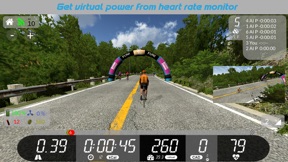






Snapshot
Who is BIPR?
Bridging the gap between non-connected fitness hardware and virtual training platforms. Enabling cyclists and runners to integrate biometric data with digital ecosystems.
Target audience


Portfolio
Free 4Last updated

Treadmill Speed Transmitter
v3.1
5.9y ago
Publisher DNA
What defines BIPR?
Publisher DNA
Primary focus
Health & Fitness · Hardware-to-software connectivity tools
Scale
indie
Target audience
Indoor cyclists and runners who utilize virtual training platforms and seek to integrate heart rate monitors or manual equipment with digital tracking software.
Signature Patterns
- •Focus on bridging biometric data (HR, cadence) to Bluetooth/ANT+ protocols
- •Deep integration with third-party virtual cycling platforms like Zwift
- •Utility-first design for non-connected gym equipment
- •Freemium and paid monetization models centered on hardware connectivity
Portfolio momentum
Released 2 updates across 5 apps in the last 6 months, maintaining a mix of active utility tools and legacy applications.
Portfolio
What does BIPR ship?
Apps
5 apps analysed

Sensor-agnostic design supports basic Bluetooth heart rate monitors.
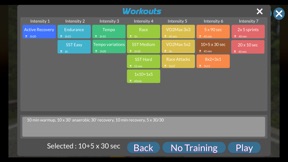
- Gamified 3D environments lower entry barriers for recreational gym-goers.


Use your watch as a bike computer, heart rate monitor and cycling power meter


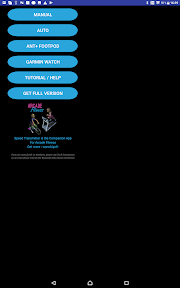
Broadcat your treadmill or running speed to Zwift or Arcade Fitness over BLE


Distributed across 10 markets, strongest in Europe.
Based on 1 of 5 apps with localized market data, more coverage rolling in as scans complete · last scanned .
Americas (3)
- Brazil1 / 1
- Mexico1 / 1
- United States1 / 1
Europe (5)
- France1 / 1
- Germany1 / 1
- Italy1 / 1
- Portugal1 / 1
- Spain1 / 1
Asia-Pacific (2)
- Japan1 / 1
- South Korea1 / 1
Core markets (1/1 apps)
Rivals
Who does BIPR compete with?
The rivals identified
Nemeses(2)

Both apps target the cycling and outdoor enthusiast segment, though they serve different technical needs: HR2VP bridges hardware data for indoor training, while AllTrails provides navigation and trail discovery.


TrainerRoad competes for the same indoor cycling audience by offering structured, power-based training plans that demand high user engagement and performance tracking.
Contenders(13)


Both apps target cycling enthusiasts who use smartwatches to track and broadcast fitness metrics. Cyclemeter competes by offering a broad tracking suite on iOS and Apple Watch, while HR2VP focuses on Wear OS hardware bridging.


Xert competes by offering advanced physiological modeling and adaptive training advice for cyclists who prioritize data-driven indoor sessions.


FulGaz competes directly in the virtual cycling space by offering high-quality, real-world video routes for indoor training.


Both applications function as Bluetooth heart rate bridges, allowing wearable devices to transmit fitness metrics to external cycling hardware and training platforms.


Both apps target the cycling market, with HR2VP serving as a specialized hardware bridge for Wear OS and BikeCompanion focusing on GPS tracking and navigation.


This app targets the technical side of cycling by focusing on bike fit and ergonomics, overlapping with users who want to optimize their indoor training setup.


Both apps target cyclists and fitness enthusiasts needing performance metrics, though HR2VP acts as a bridge for Wear OS while Garmin Connect serves as a native hardware companion.


Both apps target the cycling activity tracking market, though HR2VP functions as a hardware bridge for external devices while Bike GPS focuses on route tracking and ride statistics.


Both apps target users tracking heart rate metrics, though they serve distinct use cases: HR2VP Watch Bike Computer bridges data for active cycling, while the rival provides manual pulse checks.


Both apps target cyclists seeking to monitor performance, though they serve different technical needs: HR2VP acts as a hardware bridge for Wear OS devices, while Map My Ride provides GPS tracking and route discovery.


Both apps target cycling enthusiasts, with HR2VP serving as a data bridge for external hardware while Ride with GPS provides navigation and safety integration for the same user base.


Both apps target cycling enthusiasts, but HR2VP functions as a hardware bridge for data transmission while Strava serves as the social repository for that data.


Zwift targets the same indoor cycling audience as HR2VP, requiring reliable hardware connectivity to function within its virtual training environments.
Same space(23)


Provides cardiovascular metrics and stress tracking as an alternative to dedicated wearable-based monitoring.


Provides an all-in-one health tracking tool for users monitoring cardiovascular and metabolic health.


Acts as a wellness companion for logging vital metrics using iPhone camera and flashlight sensors.


This app competes by gamifying cycling through rewards and social challenges, targeting the motivational aspect of the user journey.


Markets itself as a tool for monitoring cardiovascular rhythms via mobile devices.


Provides camera-based vital tracking as a free alternative to dedicated wearable hardware for health monitoring.


Provides a camera-based pulse tracker for users who prefer not to use external wearable hardware.


Functions as a personal health assistant for tracking heart rate and blood pressure trends.


Offers a legacy camera-based pulse measurement tool for users who prefer manual health tracking.


Offers an all-in-one health app for pulse and HRV tracking, appealing to users seeking wellness insights.


Serves as a wellness app for tracking heart rate and blood pressure logs without external hardware.


Addresses cross-platform hardware connectivity needs by syncing data between smartwatches and iPhones.


Targets proactive health monitoring users with a subscription-based model for cardiovascular data analysis.


This app competes for the general fitness tracking audience that uses cycling as one of several outdoor or indoor activities.


Offers a free, camera-based pulse monitoring tool that competes for the same health-conscious user attention.


Focuses on pulse and HRV tracking to help users manage daily wellness and stress.


This app serves as a companion for advanced training analytics, competing for the attention of data-focused cyclists.

known for Heart Beat: Heart Rate Monitor
Targets fitness enthusiasts with an ad-free measurement experience for daily pulse and wellness tracking.

known for
Integrates with external gadgets to provide health insights, overlapping with the user need for biometric data.


Offers an instant pulse and HRV analysis tool using the smartphone camera.


This app shares the target's focus on basic sensor integration and structured workouts for indoor cycling.


Serves as a camera-based pulse checker and step counter for users seeking simple health status updates.


Functions as a digital health log for cardiovascular metrics, targeting users who monitor health trends.
New entrants(2)


A new entrant focusing on AI-driven bike fitting, challenging the target's potential expansion into biomechanical support.


A new fitness platform that integrates personal training, posing a threat to the target's potential for human-led coaching services.
The Analyst's Read
The bottom line on BIPR
Bottom line
BIPR occupies a functional niche by solving hardware fragmentation for indoor athletes. Their long-term viability depends on maintaining technical compatibility with major fitness platforms while managing a portfolio of legacy utility apps.
Frequently asked questions
How many apps does BIPR publish?
What kind of apps does BIPR make?
What is BIPR's top app?
In how many countries are BIPR's apps available?
What fed this analysis
- Apps analyzed:
- 5
- With full intel:
- 0
- With overview:
- 5
- Website scraped:
- yes
- Social presence:
- yes
