


Strava
For active individuals ranging from casual walkers to elite athletes who prioritize social accountability and performance analytics.
 Strava: Run, Bike, Walk




Snapshot
Who is Strava?
Building a social fitness ecosystem that connects athletes through data-driven tracking, community leaderboards, and integrated coaching.
Target audience


Portfolio
Free 5Last updated

Strava: Run, Bike, Walk
vVARY
6d ago
Publisher DNA
What defines Strava?
Publisher DNA
Primary focus
Social fitness ecosystem and athletic performance tools
Scale
indie
Target audience
Active individuals ranging from casual walkers to elite athletes who prioritize social accountability and performance analytics.
Signature Patterns
- •Subscription-led monetization model with tiered access to advanced analytics and coaching.
- •Deep ecosystem integration, including shared premium subscriptions and cross-app data syncing.
- •Heavy emphasis on community-driven features such as segment leaderboards and social feeds.
- •Focus on AI-powered performance insights and adaptive training methodologies.
Portfolio momentum
Maintains an intense development pace with 14 updates across 3 apps in the last 6 months, with the most recent flagship update occurring 6 days ago.
Portfolio
What does Strava ship?
Apps
5 apps analysed
Track your active life in one place and share the journey with friends.


Hardware-agnostic sync prevents platform lock-in
- Consistent activity tracking for cycling and running keeps users motivated to maintain their fitness goals
- Aggressive paywall prompts and subscription upselling disrupt the user experience for those using the free tier

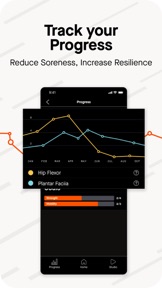
Prevent injury and fix your aches and pains with the recovery app from Strava.


Evidence-based content from sports physicians and Olympians
- Deep integration with Strava’s 100M+ user base

Personalised 5k, 10k, Half, & Marathon race plans, GPS tracking & strength


Multi-device hardware integration ensures utility for serious runners
- Personalized running plans adapt to individual fitness levels and goals to keep users motivated
- Technical instability including crashes and freezing prevents consistent use of the training features

Personalised 5k, 10k, Half, & Marathon race plans, GPS tracking & strength


Integrated strength and mobility pillar
- Effective Coaching & Motivation
- Watch Connectivity & Syncing

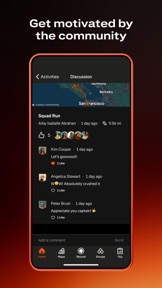
Track your active life in one place and share the journey with friends.


Broad hardware integration reduces switching costs for multi-sport athletes
- Community-driven activity tracking and social features keep users motivated to maintain their daily fitness streaks
- Aggressive subscription pop-ups and paywalling of basic features frustrate long-term users who feel the value proposition has declined
Distributed across 19 markets, strongest in Europe.
Based on 4 of 5 apps with localized market data, more coverage rolling in as scans complete · last scanned .
Americas (4)
- United States4 / 4
- Brazil3 / 4
- Canada3 / 4
- Mexico3 / 4
Europe (9)
- France3 / 4
- Germany3 / 4
- Italy3 / 4
- Netherlands3 / 4
- Portugal3 / 4
›+4 more europe markets
- Spain3 / 4
- Sweden3 / 4
- Turkey3 / 4
- United Kingdom3 / 4
Asia-Pacific (6)
- Australia3 / 4
- India3 / 4
- Indonesia3 / 4
- Japan3 / 4
- Singapore3 / 4
›+1 more asia-pacific market
- Vietnam3 / 4
Core markets (4/4 apps)
User Sentiment
How do users feel about their apps?
0
Positive apps
2
Neutral / mixed
2
Negative apps
40/100
Avg sentiment score
Unlock the app dragging this portfolio down.
Access the full report for freeRivals
Who does Strava compete with?
The rivals identified
Nemeses(2)

AllTrails acts as a geographic discovery tool for trail runners, serving as a complement to Runna's structured training plans.


Both apps target the fitness-conscious user with structured, coach-led workout programming, creating direct competition for the user's daily exercise time and subscription budget.
Contenders(14)


Nike Run Club competes for the same beginner-to-marathon runner demographic by offering high-production coaching content at no cost.


Map My Fitness acts as a versatile activity tracker that competes directly with Strava's core GPS-based recording features.


ASICS Runkeeper anchors users with a decade of historical exercise data, competing for the same long-term user base as Runna.


Both apps compete for the same subscription-based fitness budget by targeting active individuals who rely on performance data to guide their training regimens.


Garmin Connect provides free telemetry and recovery metrics that serve as a hardware-integrated alternative to Runna's subscription-based coaching.


Both platforms utilize social-first community layers to drive daily activity, competing for the same active user demographic despite different primary fitness focuses.


Both apps compete for the same fitness-conscious audience, with Strava focusing on outdoor endurance tracking and Peloton on indoor studio-style guided workouts.


Strong serves the gym-based strength training needs of Strava users who require precise, distraction-free logging for lifting sessions.


Muscle Booster provides structured home-workout plans that fill the gap for Strava users seeking guided routines rather than open-ended activity tracking.


Both apps compete for the same endurance-tracking audience by gating biometric insights behind subscription tiers and providing activity logging for runners and walkers.


Both apps compete for the same active user base seeking performance tracking and fitness progress, despite focusing on different modalities of outdoor endurance versus indoor strength training.


Both apps compete for the same active user base seeking performance tracking, with Lyfta targeting the strength-training segment that Strava addresses through its broader activity logging.


Both apps compete for the same cycling audience by offering activity tracking and route planning, with both utilizing a freemium model that gates core utility behind a subscription.


Both apps target the same endurance athlete demographic by using social community layers to drive activity frequency and consistency.
Same space(50)


STNDRD targets serious lifters with bodybuilding-focused programming, serving as a specialized strength alternative for Runna users.


Clue tracks reproductive health, providing a specialized data layer that complements the physical performance metrics tracked on Strava.


FulGaz focuses on the high-end indoor cycling market, providing a visual-first training experience that differs from Strava's data-centric approach.


Fitlist provides a specialized logging tool for gym-goers who prefer a minimalist, speed-focused interface over the social-heavy experience of Strava.


LADDER provides expert-led strength programming that complements Runna's running plans for users seeking high-production routines.


Home Workout targets the casual, equipment-free fitness segment that often overlaps with the beginner tier of Strava's user base.


MyFitnessPal complements Strava by providing the nutritional data layer that endurance athletes require to fuel the activity tracked on Strava.


Noom targets the weight-loss segment of the fitness market, offering a behavioral-psychology alternative to Strava's performance-focused tracking.


Calorie Counter + provides a specialized nutrition-tracking utility that users often pair with Strava's activity logs to manage their energy balance.


parkrun Official facilitates community-based running events, acting as a social, real-world extension for runners.


adidas Running uses gamified rewards to drive e-commerce conversion, serving as a retention-focused alternative for brand-loyal runners.


This app serves as a primary discovery and navigation tool for trail runners, acting as a functional complement to Runna's structured coaching plans.


GymBook offers a minimalist logging interface for gym-goers, providing a focused alternative to the broader activity tracking on Strava.


Stronger focuses on the gym-planning segment, offering a more structured, AI-enhanced alternative to the manual logging found in general activity trackers.


Fi provides pet-focused activity tracking that allows dog owners to monitor their pets' health alongside their own fitness data.


SleepWatch provides the recovery telemetry that Strava lacks, allowing athletes to correlate their outdoor performance with nightly rest quality.


Boostcamp offers a specialized strength-training library that Strava users might adopt for their gym-based training sessions.


This app provides gym and workout logging, serving as a tool for runners to track their supplementary strength training sessions.


This app competes for the endurance market by pairing adaptive training plans with professional coaching, targeting high-intent athletes.


This app provides free, professional-grade training plans for runners, serving as a direct competitor to Runna's coaching model.


This app serves as a free, medically-backed entry point for beginner runners, acting as a non-commercial alternative to Runna's premium coaching.


This app provides free, professional-grade training plans for runners, serving as a direct competitor to Runna's coaching model.


This app competes in the running tracker space by offering multi-sport GPS tracking and voice feedback for hands-free session monitoring.


This app provides AI-optimized weight lifting routines, serving as a specialized gym-tracking tool for runners who incorporate strength training.


Foodvisor offers a tech-enabled nutritional tracking layer that Strava users can use to manage their diet alongside their athletic performance goals.


Gript provides a specialized workout logging tool that allows users to import history from other trackers, positioning itself as a data-centric alternative to Strava.


INTVL transforms standard run tracking into a competitive strategy game, appealing to runners seeking engagement beyond traditional training.


JEFIT provides a comprehensive exercise database and gym planner that serves as a technical alternative to Strava's strength-tracking features.


This app offers interactive indoor training for runners and cyclists, serving as a specialized tool for off-season or weather-dependent training.


This app competes for the outdoor navigation market by providing sport-specific route planning that integrates with hardware used by serious runners and cyclists.


This app provides holistic wellness and low-impact movement coaching, serving as a recovery-focused alternative for runners.


LES MILLS+ offers a library of professional group fitness classes that provides a guided alternative to the self-directed activities tracked on Strava.


This app provides nutrition and calorie tracking, serving as a functional adjacent tool for runners managing their diet alongside training.


LINMO targets local fitness communities and club management, providing a social-discovery layer that complements Strava's global community.


Strava Heatmap 3D visualizes activity data specifically for Strava users, acting as an add-on utility for the Strava platform.


Lyfta serves as a specialized gym-tracking supplement for users who want to log strength training alongside their running routines.


Gym Life provides a simple logging interface for Strava users who need a distraction-free way to track their gym-based training sessions.


A leader in recovery and readiness tracking that informs an athlete's need for prehab and mobility work.


Planet Fitness acts as a physical-to-digital bridge, offering gym-goers a way to check facility occupancy while they use Strava for their outdoor cardio.


pliability focuses on recovery and mobility, serving as a specialized supplement to Runna's integrated strength and mobility routines.


Setgraph provides a data-driven logging tool for strength training, serving as a specialized alternative to Strava's broader activity feed.


RepCount provides a minimalist strength-logging tool for Strava users who need a dedicated, distraction-free interface for their gym workouts.


MacroFactor Workouts provides an automated, data-driven programming engine for Strava users who want to optimize their strength training.


This app provides a B2B health and wellness platform for insurance policyholders, offering a captive alternative to generic fitness coaching apps.


This app provides AI-driven coaching and equipment-linked telemetry, serving as a premium alternative for users who train in connected gym environments.


This app provides AI-guided fitness routines, serving as a supplement for runners who require structured strength and calisthenics programming.


V.O2 offers a hybrid coaching model that combines adaptive algorithms with professional oversight for performance-oriented users.


TrainingPeaks targets the same endurance-focused audience as Runna but prioritizes professional coaching workflows and physiological data.


WEGLOW targets a specific demographic with a mix of fitness and lifestyle tracking that complements the broader, community-focused approach of Strava.


Half Marathon 13.1 Trainer provides a specific 13.1-mile training program for beginners preparing for half-marathons.
New entrants(3)


Sub20 offers a performance-specific 5K training system for runners aiming for sub-20 minute times.


This app provides home-based workout plans, serving as a simple, equipment-free supplement for runners looking to build strength.


RunForm AI provides biomechanical analysis for runners seeking form correction, acting as a technical tool for refining mechanics.
The Analyst's Read
The bottom line on Strava
Bottom line
Strava, Inc. is a dominant category leader that has successfully transitioned from a utility to a social platform. Their weighted 4.62★ rating across 1.1M+ reviews signals a highly loyal user base and a successful strategy of expanding their footprint into specialized coaching and recovery niches.
Frequently asked questions
How many apps does Strava publish?
What kind of apps does Strava make?
What is Strava's top app?
In how many countries are Strava's apps available?
What fed this analysis
- Apps analyzed:
- 3
- With full intel:
- 3
- With overview:
- 3
- Website scraped:
- yes
- Social presence:
- yes
