
EasyCard
 Easy Wallet 悠遊付


Publisher DNA
What defines EasyCard?
AI intelligence is not yet available for EasyCard. The portfolio data below is up to date.
Portfolio
What does EasyCard ship?
Apps
2 apps analysed
Easy Wallet-You Wallet's e-wallet with exclusive beep ride and new electronic payment applications


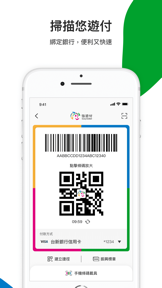
Municipal utility payment integration functions as a B2B distribution barrier.
- Mobile payment convenience for public transit like buses and trains keeps commuters using the service
- Frequent forced updates prevent users from accessing the app during time-sensitive transit commutes
Analysis in progress
Single-market publisher, every app ships only to United States.
Based on 1 of 2 apps with localized market data, more coverage rolling in as scans complete · last scanned .
Americas (1)
- United States1 / 1
Core markets (1/1 apps)
User Sentiment
How do users feel about their apps?
0
Positive apps
0
Neutral / mixed
1
Negative apps
25/100
Avg sentiment score
Rivals
Who does EasyCard compete with?
The rivals identified
Nemeses(2)


Both applications function as digital wallets for contactless payment provisioning, competing for users seeking mobile-based balance management and transaction utility.


Both apps function as digital wallets for contactless payments and card management, competing for the same user base seeking mobile-first payment solutions.
Contenders(2)


Both applications function as primary digital transit payment utilities for their respective regional rail networks, creating functional overlap for commuters traveling between Taiwan and Japan.


Both applications compete for the same Taiwanese mobile payment user base by providing digital wallet services and QR-code payment capabilities at retail locations.
Same space(17)


Facilitates merchant-side payment acceptance, serving as an alternative to consumer-facing wallets by removing hardware terminal requirements.


Manages credit card accounts and contactless payments for specific cardholders, acting as a single-issuer financial utility.


Provides mobile payment services in Abu Dhabi, covering high-frequency scenarios like supermarkets and pharmacies.


Provides a centralized vault for loyalty and identification cards, functioning as a passive storage utility for physical card holders.


Captures high-frequency utility bill payments and mobile top-ups in Pakistan, creating a habit-based retention loop similar to transit-focused wallets.


Bridges reward points and blockchain assets for specific event attendees, acting as a niche Web3 asset manager.


Serves as the primary iOS credential hub, competing for transit payment dominance through hardware-level NFC triggers.


Manages transit fare payments and account balances for a specific geographic region, mirroring the transit-centric utility of the source app.


Consolidates various digital passes and loyalty cards, providing a flexible management tool for users who digitize physical items.


Manages specific gift card balances and enables contactless spending, acting as a specialized payment tool for retail environments.


Offers regional transit card balance and usage tracking, serving as a niche utility for travelers in Korea.


Focuses on decluttering physical wallets by storing barcodes and QR codes for loyalty programs and membership cards.


Merges cryptocurrency storage with traditional financial services, targeting users interested in the modern digital economy.


Stores and generates QR codes for payments and links, serving as a general-purpose scanning utility.


Checks balances for Korean transit cards, providing a simple utility for avoiding payment issues during travel.


Manages transit card balances and trip history for Korean public transport, functioning as a regional travel utility.


Bridges consumer payment methods with unattended hardware like vending machines, focusing on impulse-purchase scenarios.
