


Hipposoft
For medical students, nurses, and physicians requiring quick-access clinical data, pronunciation guides, and auscultation training.
 Heart Murmurs Pro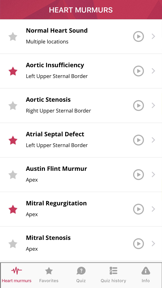
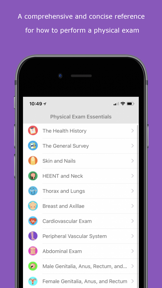


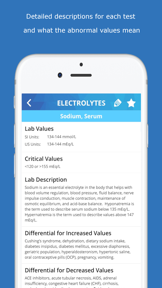


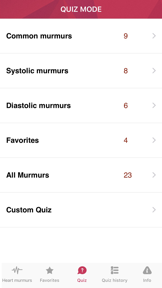


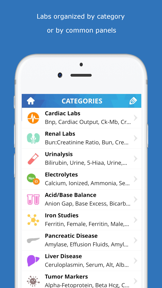

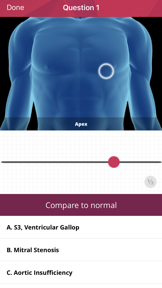

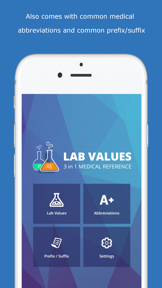
Snapshot
Who is Hipposoft?
Providing portable medical reference and educational tools for healthcare professionals and students.
Target audience


Portfolio
Free 4Last updated

Heart Murmurs Pro
v3.2.1
8.1y ago
Publisher DNA
What defines Hipposoft?
Publisher DNA
Primary focus
Medical reference and clinical education utilities
Scale
indie
Target audience
Medical students, nurses, and physicians requiring quick-access clinical data, pronunciation guides, and auscultation training.
Signature Patterns
- •Exclusively paid monetization model via one-time purchases
- •Focus on niche clinical utilities including pronunciation and auscultation
- •Static, offline-first architecture designed for hospital environments
- •Complete cessation of product development and maintenance since late 2018
Portfolio momentum
With 0 releases in the last 6 months and all 6 apps classified as abandoned, the portfolio has seen no active development since 2018.
Portfolio
What does Hipposoft ship?
Apps
9 apps analysed

Analysis in progress


Analysis in progress

Analysis in progress
Americas-centric footprint across 3 markets.
Based on 3 of 9 apps with localized market data, more coverage rolling in as scans complete · last scanned .
Americas (2)
- United States3 / 3
- Mexico1 / 3
Europe (1)
- Spain1 / 3
Core markets (3/3 apps)
User Sentiment
How do users feel about their apps?
0
Positive apps
2
Neutral / mixed
0
Negative apps
45/100
Avg sentiment score

Unlock the app dragging this portfolio down.
Access the full report for freeRivals
Who does Hipposoft compete with?
The rivals identified
Nemeses(4)


Both apps target the same clinical user base of nurses and students, serving as portable, high-utility reference tools for point-of-care decision support.


Both apps target healthcare professionals seeking clinical decision support for infectious diseases, creating direct competition for the same clinical workflow.


Both apps target healthcare professionals requiring offline clinical decision support, but MDCalc captures the shared audience through a library of 900+ calculators that dwarfs the scope of the source app.


Both apps target medical students for auscultation training, but Murmur Master provides a broader curriculum covering cardiac and respiratory sounds at no cost.
Contenders(28)


Offers rapid diagnostic and treatment information for medical conditions, serving as a broader clinical reference.


Provides drug interaction and identification tools that clinicians use alongside infection control references.


Both apps target medical students and healthcare professionals for cardiac auscultation training, creating direct competition for the same user base.


Provides perioperative and anesthesia-specific clinical guidance for practitioners.


Both apps target medical students and beginners for cardiac auscultation training, creating direct competition for the same user base.


Both apps target healthcare providers and trainees needing quick clinical reference tools for patient assessment and management. They compete for the same professional user base seeking portable, high-utility medical information.


Serves as a primary source for public health information and disease surveillance data.


Both apps target medical students and healthcare professionals for cardiac auscultation training, creating direct competition for study time and clinical reference utility.


Both apps target medical students and professionals with offline-first reference tools, creating direct competition for device storage and clinical utility.


Both apps target healthcare professionals with offline-first medical reference tools, competing for the same clinical utility budget in the medical category.


Both apps target medical professionals requiring rapid clinical reference material, creating direct competition for the same user's limited time during clinical shifts.


Both apps target healthcare professionals requiring rapid access to clinical protocols, creating direct competition for the same professional's limited mobile attention.


Both apps target medical students seeking to improve diagnostic skills for exams and clinical practice. They compete for the same study time and budget within the medical education category.


Both apps target medical students and clinicians, competing for study time within the cardiology education segment through specialized clinical content.


Both apps target medical students and professionals with a $2.99 one-time purchase model, competing for the same educational and clinical reference budget.


Both apps target healthcare professionals seeking clinical reference tools, creating direct competition for space on a clinician's mobile device.


Both apps target healthcare professionals seeking clinical practice guidelines, creating direct competition for the same user's limited time and device storage.


Both apps target medical students and healthcare professionals for cardiac auscultation training, competing directly on clinical education content and audio-based learning tools.


Both apps target healthcare professionals requiring bedside clinical decision support, competing for the same professional utility budget.


Both apps target the same professional healthcare audience for clinical decision support, creating direct competition for limited mobile screen time during practice.


Both apps target clinical staff requiring rapid, point-of-care reference material, forcing a choice between a static, one-time purchase guide and a free, AI-driven decision support tool.


Both apps target healthcare professionals seeking rapid reference material for infectious diseases and pathogen characteristics. They compete by offering specialized clinical or educational data in a portable format.


Both apps target medical students and professionals for cardiac auscultation training, sharing a core focus on audio-based quiz learning.


Both apps target medical students and residents for cardiovascular examination training, creating direct competition for study time and educational resources.


Both apps target healthcare professionals with paid, offline clinical reference tools at the same $2.99 price point.


Both applications target healthcare professionals with clinical decision support, specifically focusing on infection control protocols and antimicrobial guidance.


Both apps target healthcare professionals requiring specialized clinical reference tools, though they diverge on regulatory focus between US-based CDC guidelines and UK-specific NHS coding standards.


Both apps target medical students for auscultation training and utilize a paid pricing model, creating direct competition for the same educational budget.
Same space(37)


This app integrates hardware with software to provide real-time diagnostic support, shifting the focus from educational study to clinical workflow.


Enables deliberate practice of clinical scenarios, allowing users to apply the physical exam techniques described in the source app.


This app provides clinical diagnostic automation for ECGs, serving a similar professional audience but focusing on diagnostic output rather than educational reference.


Targets primary care professionals with clinical standards that overlap with outpatient infection management.


Offers interactive 3D dissection tools that provide the visual depth missing from the source app's static guides.


This app targets expectant parents for personal audio capture rather than medical students seeking clinical auscultation education.


Provides cardiovascular-specific clinical decision support that functions as a specialized reference for practitioners.

known for ASCCP Management Guidelines
Offers specialized diagnostic algorithms for cervical cancer screening that complement general infection control protocols.


Focuses on wound etiology and treatment, providing specialized clinical education for nursing professionals.


This app targets personal health curiosity rather than medical education, using the device microphone to capture heart sounds.


Serves as a visual reference for the anatomical structures that Physical Exam Essentials describes in text.


This app offers a similar educational focus on heart sound visualization but relies on the device microphone for real-time capture.


Provides prehospital clinical guidance that serves as a standard for emergency practitioners.


Assists orthopedic professionals with musculoskeletal diagnosis, serving as a specialized clinical reference.


Offers exam preparation for postgraduate medical entrance tests, helping students master the clinical knowledge required for advanced practice.


Acts as a portable repository for cardiovascular clinical guidelines, serving as a reference for practitioners.


Supports nursing students in licensure exam preparation, serving as a companion to the clinical reference material in the source app.


Focuses on OSCE preparation, providing practical scenarios that test the physical exam techniques found in the source app.


Facilitates hand hygiene and PPE compliance auditing, directly supporting infection control monitoring.


Extends the concept of lab values into pharmacokinetic modeling for patient medication tracking.


Supports healthcare compliance auditing, which is a critical operational task for infection control teams.


Offers a focused clinical decision support tool for obstetricians that complements general medical reference apps.


Offers visual study summaries for nursing students, helping them retain the clinical information found in the source app.


Targets a parallel professional niche by providing specialized veterinary dosage calculations and clinical references.


This app targets the same professional audience but focuses on high-pressure clinical management rather than auscultation education.


This app focuses on professional networking for physicians, shifting from the source app's individual study model to collaborative clinical discussion.


Provides oncology-specific clinical practice guidelines for cancer care professionals.


Focuses on specialized ultrasound-guided regional anesthesia, providing deeper procedural guidance than the source app's general exam techniques.


Manages DOT physical exam requirements, providing a workflow tool that supports the physical exam process described in the source app.


Provides specific pediatric reference ranges that address a subset of the clinical data found in general medical reference tools.


Provides surveillance criteria for long-term care, assisting in infection identification and reporting.


Provides evidence-based recommendations for interventional radiology, aiding clinical decision-making.


Offers a specialized pediatric reference interval database that fills the primary care diagnostic gaps noted in the source app.


Supplies decision support algorithms for common presentations, serving as a bedside companion to the source app's exam techniques.


Provides high-difficulty practice questions for board exams, helping students master the clinical concepts underlying the source app's exam techniques.


Provides the high-fidelity 3D gross anatomy reference that complements the physical exam techniques found in the source app.


Serves the same clinical workflow by providing collection procedures for laboratory analysis.
The Analyst's Read
The bottom line on Hipposoft
Bottom line
Hipposoft is a legacy medical publisher whose portfolio is no longer actively maintained. While the apps remain available as niche clinical references, the lack of updates and the publisher's pivot to unrelated web content indicate a high risk of technical obsolescence.
Frequently asked questions
How many apps does Hipposoft publish?
What kind of apps does Hipposoft make?
What is Hipposoft's top app?
In how many countries are Hipposoft's apps available?
What fed this analysis
- Apps analyzed:
- 6
- With full intel:
- 2
- With overview:
- 6
- Website scraped:
- yes
- Social presence:
- no