

Kentucky Fried Chicken
For frequent quick-service diners and value-seekers looking for mobile-exclusive discounts and streamlined pickup workflows.
 KFC US - Ordering App




Snapshot
Who is Kentucky Fried Chicken?
Providing a digital-first ordering and loyalty experience for quick-service restaurant customers seeking convenience and value.
Target audience


Portfolio
Free 2Last updated

KFC US - Ordering App
v2026.4.0
8mo ago
Publisher DNA
What defines Kentucky Fried Chicken?
Publisher DNA
Primary focus
Quick-service restaurant digital ordering and loyalty
Scale
indie
Target audience
Frequent quick-service diners and value-seekers looking for mobile-exclusive discounts and streamlined pickup workflows.
Signature Patterns
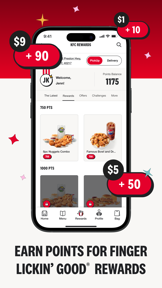
- •Deep integration of the KFC Rewards loyalty program across all touchpoints.
- •Monetization model strictly focused on in-app food transactions and digital-only deals.
- •Feature set prioritized around order customization and saved user preferences for repeat purchases.
Portfolio momentum
Maintained a steady development cadence with 4 updates across 2 active apps in the last 6 months, including a new product launch in late 2024.
Portfolio
What does Kentucky Fried Chicken ship?
Apps
2 apps analysed
App-exclusive menu items incentivize digital channel migration
- Occasional positive experiences with friendly staff and fresh food quality at specific locations
- Payment processing failures and order cancellation errors prevent successful mobile checkout for many users

Single-market publisher, every app ships only to United States.
Based on 1 of 2 apps with localized market data, more coverage rolling in as scans complete · last scanned .
Americas (1)
- United States1 / 1
Core markets (1/1 apps)
User Sentiment
How do users feel about their apps?
0
Positive apps
0
Neutral / mixed
1
Negative apps
15/100
Avg sentiment score
Rivals
Who does Kentucky Fried Chicken compete with?
The rivals identified
Nemeses(2)

Both apps compete for the same fast-food delivery and pickup market share, targeting convenience-seeking consumers who rely on mobile ordering and loyalty programs.


Both apps compete for the same fast-food consumer base by offering mobile-first ordering and loyalty-based rewards to drive repeat store visits.
Contenders(14)


Both apps compete for the same fast-food consumer segment by offering mobile ordering and loyalty-based rewards programs.


Both apps compete for the same fast-casual dining audience by using loyalty programs and digital-exclusive rewards to drive repeat mobile ordering.


Both apps serve the same fast-food segment by providing mobile ordering and loyalty-based rewards to drive repeat transactions.


Both apps compete for the same mobile-first, time-sensitive lunch and dinner ordering occasions, forcing users to choose between KFC's fried chicken and CAVA's Mediterranean bowls.


Both apps compete for the same fast-food customer base by offering mobile-first ordering and loyalty-based rewards programs to drive repeat transaction frequency.


Provides a similar loyalty and mobile-ordering utility for a fast-food chain, competing for the same value-seeking consumer.


Both apps target the same fast-food consumer segment by offering mobile ordering, loyalty rewards, and exclusive digital menu deals.


Both apps compete for the same fast-food consumer base by using mobile ordering and loyalty rewards to drive repeat transactions.


Both apps compete for the same fast-food consumer base by using loyalty-linked rewards and mobile ordering to drive repeat purchase frequency.


Both apps compete for the same fast-food consumer base by using loyalty-linked rewards and mobile ordering to drive repeat store visits.


Both apps compete for the same fast-food customer base by offering mobile ordering and loyalty-focused pickup, directly overlapping in the quick-service restaurant digital segment.


Both apps compete for the same fast-food delivery and takeout occasion, targeting users who prioritize convenience and loyalty-based rewards for their meal orders.


Both apps compete for the same value-conscious fast-food consumer base by offering mobile ordering and loyalty rewards, creating direct competition for digital wallet share.


KFC US and Zaxbys compete for the same fast-food consumer segment by offering mobile ordering and loyalty-based rewards programs. Both apps function as primary digital channels for menu access and transaction processing within the U.S. quick-service restaurant market.
Same space(22)


Consolidates fuel and merchandise rewards, competing for the same commuter audience that uses KFC for quick meals.


Focuses on pickup-only food ordering, competing with KFC for time-efficient urban meal transactions.


Uses a loyalty-based utility to drive physical retail traffic, similar to KFC's rewards-linked retention strategy.


Offers a utility-focused ordering app for a fast-food chain, mirroring KFC's mobile-ordering convenience.


Cinnabon offers a similar loyalty-driven ordering experience for a fast-casual chain, competing for the same quick-service customer base.


Acts as a third-party aggregator for restaurant meals, competing with the KFC app for the same urban delivery-seeking audience.


Directly competes with KFC for the same fast-food ordering audience by providing a specialized pizza-ordering utility.


Dominates the same food delivery space as KFC, leveraging scale to capture high-frequency urban and suburban demand.


Uses a points-based loyalty loop to drive repeat restaurant traffic, similar to KFC's rewards program.


Greene King competes for the same dining-out occasion by using gamified loyalty mechanics to drive engagement in physical venues.


Targets the same food delivery audience as KFC, specifically focusing on high-value group dining occasions.


Serves as a regional delivery marketplace competitor for KFC in the UK, focusing on independent takeaways.


Functions as a loyalty-focused retention engine for convenience store shoppers, similar to KFC's rewards-driven model.


Provides a loyalty and ordering interface for a fast-food chain, competing for the same value-driven customer base.


Bazooka Fried Chicken is a direct competitor in the fried chicken segment, utilizing a similar rewards-based loyalty model.


Chicken Salad Chick provides a direct-to-consumer ordering utility that mirrors the primary function of the KFC app.


Captures the same high-frequency, convenience-oriented coffee consumer as the KFC app does for fast food.


Offers a loyalty-based ordering utility for a fast-food chain, competing for the same repeat-purchase audience.


Targets a specific demographic for food ordering, similar to KFC's focus on convenient digital menu access.


Aggregates delivery services for food and retail, competing with the KFC app for on-demand urban spend.


Provides a loyalty-driven ordering platform for a fast-food chain, competing for the same repeat-purchase customer.


Operates a delivery marketplace similar to KFC's delivery partners, competing for the same urban food-ordering audience.
New entrants(1)


Provides a mobile-ordering and loyalty interface for a drive-thru chain, competing for the same convenience-seeking audience.
The Analyst's Read
The bottom line on Kentucky Fried Chicken
Bottom line
KFC is positioned as a utility-first publisher where apps serve as a critical retention tool rather than standalone products. Success depends on resolving technical friction in the flagship app to fully capitalize on their robust physical distribution network.
Frequently asked questions
How many apps does Kentucky Fried Chicken publish?
What kind of apps does Kentucky Fried Chicken make?
What is Kentucky Fried Chicken's top app?
In how many countries are Kentucky Fried Chicken's apps available?
What fed this analysis
- Apps analyzed:
- 2
- With full intel:
- 1
- With overview:
- 2
- Website scraped:
- yes
- Social presence:
- yes
