


LIFEING
 Pregnancy Tracker - Lifeing











Snapshot


Publisher DNA
What defines LIFEING?
AI intelligence is not yet available for LIFEING. The portfolio data below is up to date.
Portfolio
What does LIFEING ship?
Apps
4 apps analysed

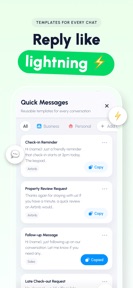
Quick message templates and the quotes library streamline communication for users handling high volumes of messages
- The core utility of managing multiple accounts and cloning apps provides significant value for power users
- Vague negative feedback regarding the application quality suggests a disconnect between user expectations and the current experience

Analysis in progress

Pregnancy app with ovulation, contraction timer & baby milestones development


Analysis in progress
Clinical-style trackers provide utility beyond basic calendars
- The pregnancy tracking features provide helpful and high quality information for expectant mothers throughout their journey
- Aggressive paywalls and constant subscription prompts prevent users from evaluating the app before committing to payments
Distributed across 6 markets, strongest in Americas.
Based on 2 of 4 apps with localized market data, more coverage rolling in as scans complete · last scanned .
Americas (3)
- United States2 / 2
- Brazil1 / 2
- Mexico1 / 2
Europe (3)
- France1 / 2
- Portugal1 / 2
- Spain1 / 2
Core markets (2/2 apps)
User Sentiment
How do users feel about their apps?
1
Positive apps
1
Neutral / mixed
0
Negative apps
60/100
Avg sentiment score
Unlock the app dragging this portfolio down.
Access the full report for freeRivals
Who does LIFEING compete with?
The rivals identified
Nemeses(1)


Both apps target the prenatal and postnatal demographic, but Lifeing focuses on clinical obstetric monitoring while Baby+ targets post-birth development and parenting education.
Contenders(9)


Both applications target pregnant users with core tracking tools like contraction timers and weekly progress updates, creating direct competition for daily active usage.


Both apps target the reproductive and early parenting lifecycle, competing for the same user base as they transition from pregnancy monitoring to newborn care.


Both apps compete for the same pregnancy tracking audience, targeting users who require gestational monitoring and prenatal health tools.


Both apps serve the same user journey, creating a natural migration point where users transition from clinical pregnancy monitoring in Lifeing to infant routine management in Baby Daybook.


Both apps capture the prenatal market through contraction timers, creating direct competition for users transitioning from pregnancy to newborn care.


Both apps target expectant parents requiring labor contraction tracking, creating direct competition for users seeking medical-grade monitoring during the final stages of pregnancy.


Both apps target the reproductive health and early parenthood lifecycle, competing for the same user base as they transition from pregnancy to newborn care.


Both applications target the same pregnancy tracking audience with free, ad-supported models, creating direct competition for daily active usage during the 280-day gestation period.


Both apps target expectant mothers with clinical tracking tools like contraction timers and gestational calculators, competing for the same user base seeking medical-grade pregnancy monitoring.
Same space(4)


This app serves as a specialized labor utility that complements the broader clinical tracking features found in the source application.


This app targets the same health-conscious user base requiring clinical data logging, though it focuses on chronic disease management rather than pregnancy.


This app occupies the same medical-tracking space for users requiring clinical data, specifically for hypertension and cardiovascular management.


This app serves the same reproductive health demographic as Lifeing, but focuses on cycle monitoring rather than pregnancy progression.
