


Amila Tech
For expectant parents and new caregivers seeking structured, data-driven insights into pregnancy progress and infant health.
 Pregnancy App.


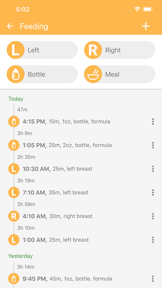


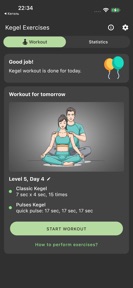
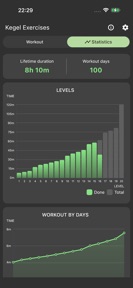



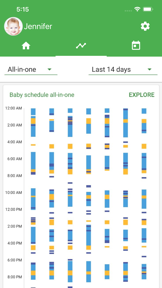
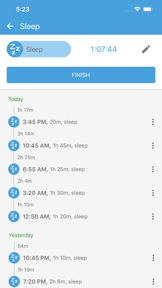





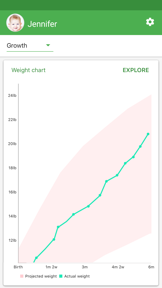


Snapshot
Who is Amila Tech?
Supporting expectant parents and new caregivers with comprehensive health tracking and developmental monitoring tools.
Target audience


Portfolio
Free 7Last updated

Pregnancy App.
v1.4.66
5mo ago
Publisher DNA
What defines Amila Tech?
Publisher DNA
Primary focus
Health and parenting utility apps
Scale
indie
Target audience
Expectant parents and new caregivers seeking structured, data-driven insights into pregnancy progress and infant health.
Signature Patterns
- •Focus on data-driven health and development logging
- •Freemium or free-to-use utility-first monetization
- •High-frequency user interaction models
- •Cross-category expansion within the health and parenting vertical
Portfolio momentum
Released 6 updates across 6 apps in the last 6 months, with all titles receiving maintenance within the last 30 days.
Portfolio
What does Amila Tech ship?
Apps
7 apps analysed

Ad-supported free model removes barriers to entry compared to subscription rivals
- Simple and straightforward interface allows new parents to track daily activities without overwhelming cognitive load
- Lack of multi-device synchronization prevents partners from sharing caregiving duties in real time


Minimalist interface design reduces cognitive load
- Simple and intuitive interface allows parents to track baby habits without unnecessary feature bloat
- Lack of multi-device synchronization prevents parents from sharing tracking duties across different smartphones


Analysis in progress

User Sentiment
How do users feel about their apps?
3
Positive apps
0
Neutral / mixed
0
Negative apps
87/100
Avg sentiment score
Rivals
Who does Amila Tech compete with?
The rivals identified
Nemeses(3)


Both apps target the parenting demographic, but BabyCenter captures users during the pregnancy journey while Baby Tracker focuses on post-birth utility. They compete for the same daily active user base seeking tools to manage newborn health and developmental milestones.


BabyZone competes for the same new parent demographic by offering predictive scheduling and collaborative tools that directly address the primary feature gaps identified in Baby Tracker!.


Pregnancy+ competes for the same prenatal tracking audience by offering high-fidelity 3D fetal development visualizations that directly contrast with the minimalist, text-focused utility of Pregnancy App.
Contenders(19)


Both apps target the same demographic of new parents, but Sprout Baby Tracker captures the collaborative caregiving segment that Baby Tracker! loses due to its lack of multi-user synchronization.

known for amma: Pregnancy & Baby Tracker
Both apps compete for the same parent demographic, with amma capturing the pregnancy phase while Baby Tracker! focuses on the newborn phase through overlapping activity logging tools.


Both apps target new parents with minimalist, utility-focused breastfeeding and activity logging, competing for users who prioritize ease of use over complex data suites.


Both apps target parents needing to log infant health events, but Talli captures the high-frequency logging segment through hardware-software integration while Baby Tracker! focuses on minimalist software-only utility.


Pregnancy Tracker+ targets the same expectant mother demographic as Pregnancy App. by offering overlapping health monitoring and appointment management tools.


Both apps target new parents with activity logging, but Baby Daybook captures the collaborative caregiving segment through multi-user synchronization that Baby Tracker! lacks.


Cubtale competes by offering a unified pregnancy-to-infant data architecture that addresses the multi-caregiver synchronization and data persistence gaps identified in Baby Tracker!.


Both apps target new parents with infant health logging, competing for the same daily caregiving routine management.


Both apps target expectant parents with free, ad-supported pregnancy tracking tools, creating direct competition for daily active usage during the gestational period.


Glow Baby competes for the same parent demographic by offering advanced developmental benchmarks, forcing a choice between the minimalist utility of Baby Tracker! and the data-heavy subscription model of Glow Baby.


Huckleberry competes by offering an all-in-one parenting suite that covers the entire lifecycle from pregnancy to toddlerhood, directly challenging the minimalist scope of Baby tracker - feeding, sleep.


Napper competes for the same parenting demographic by offering specialized sleep rhythm scheduling, which directly overlaps with the sleep tracking functionality in Baby Tracker.


Nara competes directly for the same parenting demographic by offering a fully free, ad-free experience with multi-device synchronization that addresses the primary friction point in the target app.


Both apps target the same parenting lifecycle, with the rival capturing users during pregnancy and the target app capturing them post-birth. They compete for the same user base as parents transition from pregnancy monitoring to newborn habit logging.


Both apps target new parents in the baby development tracking category, competing for daily logging habits despite differing approaches to content depth and interface complexity.


Users report: Both apps target the same user lifecycle by capturing data for parents transitioning from pregnancy to newborn care. They compete for the same user base as they move through different stages of child development.


Both apps capture the parenting lifecycle, with the rival addressing the prenatal phase and the target app focusing on postnatal care.


Both apps target expectant parents seeking lightweight tracking tools, competing for the same user base by offering ad-supported, minimalist interfaces that avoid the content-heavy bloat of larger medical apps.


Both apps compete for the same parent demographic by offering baby growth and habit tracking tools within the parenting category.
Same space(25)


This app shares the manual logging utility model for health tracking, though it focuses on chronic hypertension rather than newborn care.


This app directly overlaps with the newborn tracking space by providing clinical-grade growth monitoring for infants.


Provides hardware-free video monitoring that integrates with the same mobile devices used for habit logging.


Provides predictive sleep scheduling that enhances the basic sleep tracking functionality found in the source app.


Serves the archival needs of parents by providing a private space for long-term photo and milestone storage.


Addresses the pre-birth phase of the parenting journey, focusing on name discovery rather than habit tracking.


Complements the sleep-tracking utility by providing ambient audio tools to facilitate infant sleep.


This app targets the same maternity audience but shifts from simple logging to expert-led guidance and professional consultation.


This app functions as a specialized health logging tool that parents might use alongside newborn tracking for fever monitoring.


It provides clinical fetal health monitoring that serves as a specialized extension to the general tracking features of the source app.


Offers a predictive sleep scheduling tool that competes with the sleep tracking features of the source app.


It provides a focused utility for monitoring fetal movement trends that complements the broader tracking features of the source app.


Provides specialized clothing advice that helps parents manage daily routines based on external environmental factors.


Offers science-backed developmental guidance that complements the basic habit logging of the source app.


It functions as a lightweight informational resource for users seeking basic trimester-specific guidance during their pregnancy journey.


Provides expert-led parenting guidance that answers questions beyond the scope of simple habit logging.


It targets a niche segment of the pregnancy market focused on natural birth, offering a distinct educational alternative to the source app.


This app provides a similar digital logging utility for fever monitoring, serving as a supplementary health record tool for parents.


Extends the parenting toolkit by adding video monitoring capabilities to the smartphone-based setup.


This app covers the reproductive health cycle preceding pregnancy, acting as a gateway for users who eventually transition to pregnancy tracking.


Offers a dedicated video monitoring solution that repurposes older mobile hardware for continuous oversight.


Acts as a prenatal companion that provides developmental tracking before the transition to postnatal habit logging.


Provides a specialized developmental methodology that parents often use alongside daily habit trackers.


Focuses on the nutrition aspect of parenting, providing a specialized tool for the transition to solid foods.


Provides a private, offline-first pregnancy tracking experience that serves as a precursor to postnatal habit logging.
The Analyst's Read
The bottom line on Amila Tech
Bottom line
Amila Tech Limited is a focused developer with strong product-market fit in the pregnancy and parenting utility space. Their ability to maintain high user ratings across a specialized, high-utility portfolio suggests a disciplined approach to feature development and user retention.
Frequently asked questions
How many apps does Amila Tech publish?
What kind of apps does Amila Tech make?
What is Amila Tech's top app?
What fed this analysis
- Apps analyzed:
- 6
- With full intel:
- 0
- With overview:
- 6
- Website scraped:
- yes
- Social presence:
- no
