


Wachanga
 Pregnancy and Due Date Tracker



Publisher DNA
What defines Wachanga?
AI intelligence is not yet available for Wachanga. The portfolio data below is up to date.
Portfolio
What does Wachanga ship?
Apps
3 apps analysed

Analysis in progress

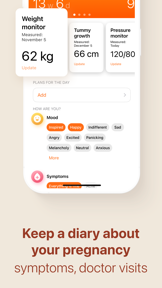
All-in-one pregnancy app, contraction timer, kick counter & due date calculator


Weekly development insights sustain daily habit formation during the gestation journey
- Weekly pregnancy development insights provide expectant parents with helpful guidance throughout their gestation journey
- Paywall restrictions on core features frustrate users who expected a fully free pregnancy tracking experience

Analysis in progress
Distributed across 20 markets, strongest in Europe.
Based on 2 of 3 apps with localized market data, more coverage rolling in as scans complete · last scanned .
Americas (4)
- United States2 / 2
- Brazil1 / 2
- Canada1 / 2
- Mexico1 / 2
Europe (9)
- France1 / 2
- Germany1 / 2
- Italy1 / 2
- Netherlands1 / 2
- Portugal1 / 2
›+4 more europe markets
- Spain1 / 2
- Sweden1 / 2
- Turkey1 / 2
- United Kingdom1 / 2
Asia-Pacific (7)
- Australia1 / 2
- India1 / 2
- Indonesia1 / 2
- Japan1 / 2
- Singapore1 / 2
›+2 more asia-pacific markets
- South Korea1 / 2
- Vietnam1 / 2
Core markets (2/2 apps)
User Sentiment
How do users feel about their apps?
1
Positive apps
0
Neutral / mixed
0
Negative apps
75/100
Avg sentiment score
Rivals
Who does Wachanga compete with?
The rivals identified
Nemeses(1)

Both applications target the same expectant parent demographic with overlapping core functionality, including due date calculators and weekly fetal development tracking.
Contenders(9)


Both applications target the same expectant parent demographic, competing for daily engagement through pregnancy-related utility and health tracking.


Both apps target the same parenting lifecycle, with Baby Daybook capturing users as they transition from pregnancy tracking to infant routine management.


Both apps target expectant parents with pregnancy tracking tools, but BabyCenter captures a larger user base through a completely free model, directly challenging the freemium conversion strategy of Pregnancy and Due Date Tracker.


Both apps compete for the same parent demographic, capturing time during the transition from prenatal health tracking to infant routine management.


Both apps target the same demographic of expectant and new parents, competing for daily habit formation during the transition from pregnancy tracking to newborn care.


Both applications target expectant mothers with weekly development tracking and health calculators, competing directly for the same user base in the pregnancy tracking category.


Both applications target expectant parents with week-by-week tracking and freemium monetization, creating direct competition for daily engagement within the same user demographic.


Both apps target the same expectant parent demographic with overlapping core functionality including due date calculators and contraction timers.


Both applications target the same expectant parent demographic with overlapping core tracking features like gestational calendars and fetal development milestones. The rival competes directly by offering a fully free experience that avoids the monetization friction present in the source app.
Same space(17)


This app serves as a secondary health-logging tool for users who need to monitor blood pressure during pregnancy.


This app captures the user base immediately following pregnancy by providing clinical-grade growth monitoring for newborns.


This app provides a specialized labor-tracking utility that users often download alongside general pregnancy trackers for use during the final delivery phase.


This app targets users who prefer a privacy-focused, offline-only utility without the monetization or account requirements of the source app.


This app serves as a focused labor-tracking utility that users install for the specific, high-stakes event of childbirth.


This app offers a specialized, low-friction labor-tracking tool that users keep on their device specifically for the day of delivery.


This app provides a direct alternative to the source app's reporting features by offering a free, ad-free PDF export for medical professionals.


This app provides a basic digital journal for tracking fever, serving as a simple health-monitoring tool for families.


Flo captures the same expectant mother audience by expanding from menstrual tracking into pregnancy, using privacy-focused certifications to build trust.


This app competes for the same user attention during labor, though it relies on a more aggressive subscription model than the source app.


Kinedu extends the user lifecycle beyond the pregnancy tracking phase into early childhood development, serving as a long-term retention partner.


This app provides a specialized fetal movement tracking utility that complements the general health metrics found in the source app.


This app competes for the same high-intent health-tracking user by offering specialized logging for gestational diabetes.


This app functions as a utility for tracking fever symptoms, which is a common concern for expectant parents.


This app captures the same reproductive health audience by offering a broader lifecycle view from menstruation to pregnancy tracking.


This app serves the same expectant parent audience but uses a one-time lifetime purchase model to avoid the subscription friction of the source app.

known for Pregnancy Due Date Quickly Calculator - Pregnant,Baby Tracker,Countdown Birth Calendar
This app offers a basic due date calculation utility that serves as a simplified alternative to the source app's broader tracking features.
