
Lingopanda (previously PingoLearn)
 Lingopanda: Language Learning





Publisher DNA
What defines Lingopanda (previously PingoLearn)?
AI intelligence is not yet available for Lingopanda (previously PingoLearn). The portfolio data below is up to date.
Portfolio
What does Lingopanda (previously PingoLearn) ship?
Apps
1 app analysed

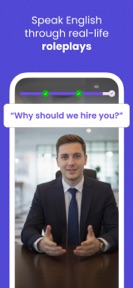
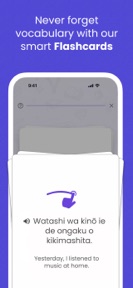
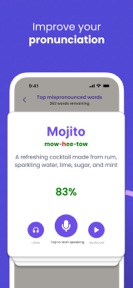
Learn & Speak English or Spanish with videos from natives, quizzes and AI tutor.


Real-time peer-to-peer speaking sessions drive community-based retention.
- Natural language interaction with the AI persona makes language practice feel like a real conversation
- Technical bugs prevent users from accessing lessons or activating the microphone during active chat sessions
Single-market publisher, every app ships only to United States.
Based on 1 of 1 app with localized market data · last scanned .
Americas (1)
- United States1 / 1
Core markets (1/1 apps)
User Sentiment
How do users feel about their apps?
1
Positive apps
0
Neutral / mixed
0
Negative apps
75/100
Avg sentiment score
Rivals
Who does Lingopanda (previously PingoLearn) compete with?
The rivals identified
Nemeses(2)

Both apps target language learners through free-to-start models, competing for time spent on conversational fluency and vocabulary acquisition.


Both applications target English learners through AI-driven speech recognition and roleplay scenarios, creating direct competition for users seeking to improve fluency via mobile practice.
Contenders(14)


Both applications target language learners through free AI-driven conversational practice and structured curriculum.


Both platforms target individuals seeking conversational fluency in English and Spanish, competing directly for the same language-learning audience through distinct approaches to curriculum and interaction.


Both apps target English and Spanish learners using AI-driven speech recognition and roleplay, competing directly for the same user base seeking interactive language practice.


HelloTalk competes by offering direct access to native speakers for language exchange, targeting the same user base seeking practical speaking practice as Lingopanda.


Both platforms target adult language learners through AI-driven conversational practice and real-time pronunciation feedback, creating direct competition for daily active users.


Both applications target English language learners by replacing traditional human tutors with AI-powered conversational practice sessions.


Both apps target language learners via AI-driven conversation practice and free-to-use models, directly competing for users seeking speech-focused English and Spanish instruction.


Both apps target students, travelers, and professionals seeking conversational fluency in Spanish, competing for the same time-constrained user base.


Both applications target English speaking practice through AI-driven feedback and real-life conversation scenarios, competing for the same user base seeking conversational fluency.


Both apps target language learners through AI-driven conversational practice, creating direct competition for users seeking fluency over traditional grammar drills.


Both apps target language learners by using AI-driven conversation practice to replace traditional human tutoring. They compete directly for users seeking professional or academic fluency through simulated real-world interactions.


Preply competes for the same language learners by offering human-led tutoring that provides a deeper instructional alternative to Lingopanda's AI-only approach.


Both applications target language learners through AI-driven conversational roleplay and speech-focused practice, creating direct competition for users seeking to improve speaking fluency.


Both apps target language learners using AI-driven speech practice and real-time conversation simulation to improve speaking fluency.
Same space(10)


Babbel targets the same language acquisition market as Lingopanda but emphasizes research-backed effectiveness for speaking skills.


Busuu serves the same professional and academic-focused users as Lingopanda through structured curriculum and certification.


Duolingo captures the same casual learner demographic as Lingopanda but relies on a gamified path that creates a daily habit through streaks.


LingoCat provides a low-friction, ad-supported alternative for beginners who prefer quiz-based engagement over Lingopanda's AI-heavy approach.


¡Learn Spanish! targets the same traveler demographic as Lingopanda but focuses exclusively on audio-based pronunciation drills.


Memrise competes for the same goal-oriented audience as Lingopanda by offering native speaker video content for immersion.


Todaii targets the same language learner base as Lingopanda but focuses on news-based reading tools for advanced students.


Speak Better focuses on the same pronunciation improvement goal as Lingopanda but uses a static IPA-based curriculum.


Stimuler AI serves the same high-intent speech-focused audience as Lingopanda but targets specific exam preparation needs.


10 Minute Language targets the same casual, time-constrained learner as Lingopanda by focusing on short daily vocabulary sessions.
