Lyft
For urban commuters and travelers seeking flexible, on-demand transportation ranging from rideshare to public bike systems.
 Lyft
Lyft







Snapshot
Who is Lyft?
Connecting urban dwellers to their destinations through a multimodal network of rideshare, bike-sharing, and integrated public transit.
Target audience


Portfolio
Free 18Last updated

Lyft
v2026.16.3
5mo ago
Publisher DNA
What defines Lyft?
Publisher DNA
Primary focus
Multimodal urban transportation and municipal bike-sharing
Scale
studio
Target audience
Urban commuters and travelers seeking flexible, on-demand transportation ranging from rideshare to public bike systems.
Signature Patterns
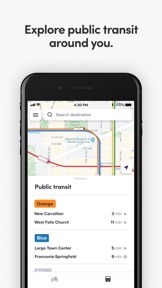
- •Integration of real-time public transit tracking with micro-mobility vehicle rentals.
- •Freemium monetization utilizing short-term passes and tiered annual memberships.
- •Strategy of maintaining distinct municipal-branded apps for city-specific bike networks.
- •Consistent focus on 'Wait & Save' and membership-based loyalty programs like Lyft Pink.
Portfolio momentum
The publisher maintains an intense development pace with 45 releases across 14 active apps in the last 6 months, with the most recent major update occurring 11 days ago.
Portfolio
What does Lyft ship?
Apps
18 apps analysed


Income-based membership programs drive inclusive brand loyalty
- Electric pedal assist provides significant utility for navigating steep city hills during daily commutes
- Aggressive and opaque pricing structures for day passes lead to unexpected charges during ride sessions


Backed by Lyft, Inc. infrastructure
- Official status as the municipal provider


Integration with global Lyft account system
- Ease of Use
- Payment & Registration Failures

Purpose-built hardware offers superior ride stability
- Affordable transportation options for low income individuals via the program for all initiative
- Inconsistent app connectivity and bike availability data frustrate users during critical commute times

Seamless digital bike access
- Official integration with municipal bike-sharing infrastructure
Distributed across 12 markets, strongest in Americas.
Based on 5 of 18 apps with localized market data, more coverage rolling in as scans complete · last scanned .
Americas (3)
- United States5 / 5
- Brazil1 / 5
- Mexico1 / 5
Europe (7)
- France1 / 5
- Germany1 / 5
- Italy1 / 5
- Netherlands1 / 5
- Portugal1 / 5
›+2 more europe markets
- Spain1 / 5
- Sweden1 / 5
Asia-Pacific (2)
- Japan1 / 5
- South Korea1 / 5
Core markets (5/5 apps)
User Sentiment
How do users feel about their apps?
0
Positive apps
1
Neutral / mixed
12
Negative apps
28/100
Avg sentiment score

Unlock the app dragging this portfolio down.
Access the full report for freeRivals
Who does Lyft compete with?
The rivals identified
Nemeses(5)


A direct competitor in the shared micromobility space with a similar high-frequency update schedule to the target.


Dominates the micromobility market with massive scale and a high-frequency release cadence that keeps the user experience evolving rapidly.


Uber serves as the primary alternative for urban mobility, often cannibalizing bikeshare trips during inclement weather or for longer distances.


Operates a bike-sharing system in Philadelphia that serves as a direct peer for bike-share users.


Dominates the cycling navigation space with a massive, global user-generated route database that dwarfs the target's station-only focus.
Contenders(11)

An adjacent navigation tool that serves the same 'get around the city' job-to-be-done for urban commuters.


Aggregates transit and bike-share data for commuters seeking a single-app solution for multimodal travel.


Offers a highly structured, block-based earning model that appeals to drivers seeking predictable schedules over dynamic ride-hailing.


A strong peer in the bike-share space with high update frequency (14 releases) and a focus on tourist-friendly UX.


Dominates the grocery-specific gig niche with a high-frequency update cycle and specialized shopping-focused UX.


Both applications target urban commuters requiring bike-sharing station access, creating direct competition for users seeking station availability and rental utility.


The primary micro-mobility alternative with massive release velocity (24 in 6 months) and a dockless model that challenges station-based constraints.


A specialized gig platform focusing on premium grocery delivery, serving as a distinct alternative for gig workers.


A specialized micromobility competitor focusing on vehicle safety and advanced onboard diagnostic technology.


Provides a direct alternative in the bike and scooter share space with a focus on diverse vehicle form factors.


A strong contender in the gig-economy space, leveraging the massive Walmart retail footprint for consistent delivery volume.
Same space(27)


Google Maps is the default discovery tool for transit options, often dictating whether a user discovers Capital Bikeshare as a viable route.


Manages rail-specific ticketing and tracking for commuters who may use bike-shares for the first or last mile.


Offers real-time transit tracking that helps users plan the final leg of their journey after bike-sharing.


A global bike-share operator that sets the standard for 'flex-zone' returns.


Offers a comprehensive navigation tool for NYC commuters that tracks multiple transit modes.


Provides a specialized transit service for commuters in NYC that integrates with broader public transit networks.


Facilitates ferry travel for NYC commuters who require multimodal connections for their daily transit.


Offers a professional taxi-hailing service for urban commuters who require an alternative to public transit or bike-sharing.


Offers dedicated transit navigation for LA commuters who use public transit and bike-sharing.


Operates in the broader 'Business' category for independent contractors and freelancers.


Provides transparency in the labor market, serving as a research tool for potential gig and full-time workers.


Serves as a regional transit utility that overlaps with bike-share users needing integrated ticketing.


Delivers quick arrival estimates for Chicago transit users who may utilize bike-sharing for short-distance travel.


Focuses on subway navigation for NYC commuters who use bike-sharing for station access.


Acts as a regional transit utility for commuters who rely on rail and bus services alongside bike-sharing.


A peer in the urban infrastructure space, focusing on the administrative side of city travel.


Adjacent urban mobility app that shares the same user base of city dwellers managing transportation and parking.


Enables transit riders to check schedules and departures across various transit systems in multiple cities.


Functions as a regional transit hub that includes mobility alternatives for commuters in Paris.


Serves the adjacent electric mobility market by focusing on charging infrastructure rather than vehicle rental.


Supplies real-time arrival data for NYC subway and bus riders who often use bike-sharing for transit connections.


Adjacent fitness-focused app that captures the 'biking' intent but shifts the focus from utility to performance.


Provides official transit navigation and accessibility tools for London commuters using diverse transport modes.


Provides live transit tracking for commuters who need real-time updates across multiple transit modes.


A major player in the freelance labor market, targeting professional services rather than physical transport.


A micro-mobility peer focusing on safety-first positioning.


Adjacent to the gig economy by providing a platform for traditional employment and job discovery.
New entrants(6)


High release velocity indicates aggressive feature expansion into the specialized two-wheeled navigation market.


Dott is an emerging micro-mobility player showing active development and consolidation in the European and urban transit markets.


Focuses on high-precision route planning that appeals to power users dissatisfied with basic navigation tools.


Functions as the official bike-sharing app for Toruń, providing a similar service model to Citi Bike.


High release velocity in the last six months suggests rapid feature iteration in the workforce management space.


High release velocity with 11 updates in six months indicates aggressive feature iteration and market expansion.
The Analyst's Read
The bottom line on Lyft
Bottom line
Lyft is a strategically diversified mobility provider that has successfully pivoted into municipal infrastructure. Their control of city-sanctioned bike-share contracts provides a stable, high-barrier revenue stream that complements their core rideshare business.
Frequently asked questions
How many apps does Lyft publish?
What kind of apps does Lyft make?
What is Lyft's top app?
In how many countries are Lyft's apps available?
What fed this analysis
- Apps analyzed:
- 14
- With full intel:
- 14
- With overview:
- 14
- Website scraped:
- yes
- Social presence:
- yes