Princeton University Press
For birdwatchers, ornithologists, and academic researchers seeking high-fidelity field identification data.
 The Warbler Guide
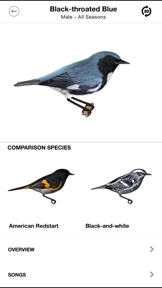
Snapshot
Who is Princeton University Press?
Translating high-authority academic research and specialized field knowledge into digital reference tools for enthusiasts and scholars.
Target audience


Portfolio
Last updated

The Warbler Guide
v1.1.0
9.8y ago
Publisher DNA
What defines Princeton University Press?
Publisher DNA
Primary focus
Academic and field reference tools
Scale
indie
Target audience
Birdwatchers, ornithologists, and academic researchers seeking high-fidelity field identification data.
Origin
Established as the publishing arm of Princeton University to disseminate scholarship and specialized knowledge.
Signature Patterns
- •Digitization of high-authority print reference materials
- •Monetization via a one-time upfront paid purchase model
- •Integration of specialized technical tools like 3D graphics and audio analysis
- •Targeting expert-level hobbyist niches with high-fidelity data
Portfolio momentum
The single portfolio title has not been updated since 2017, indicating a legacy status with no recent development activity.
Company profile
low confidence- Headquarters
- Princeton, USA
Portfolio
What does Princeton University Press ship?
Apps
1 app analysed
Rivals
Who does Princeton University Press compete with?
The rivals identified
Nemeses(1)

Users report: Both apps target birdwatchers, but Smart Bird ID captures the broader market through free AI-based photo and sound identification tools that compete directly with the specialized reference content in The Warbler Guide.
Contenders(6)


Both apps compete for the attention of birdwatchers within the niche identification category, sharing a target audience interested in mobile field guides.


Both apps target birders with specialized identification tools, creating direct competition for field-guide utility despite the difference in species focus.


iBird Pro serves the same birding audience as a direct digital replacement for physical field guides, similar to The Warbler Guide.


Both apps target birdwatchers with paid, expert-verified reference content, creating direct competition for the same user's mobile field-guide budget.


Both apps target birders seeking identification tools, but Audubon offers a broad North American database for free while The Warbler Guide focuses on specialized warbler identification.


Both applications target birdwatchers for species identification, creating direct competition for the same user base despite differences in pricing and depth of content.
Same space(18)


Bird Watching Magazine serves the same birding audience by providing editorial content and expert advice that complements the reference data in The Warbler Guide.


Birda targets the same birding audience but emphasizes social-first engagement and gamified life-lists over the academic reference focus of The Warbler Guide.


Bird App serves the same birding audience by providing daily information and images, acting as a lightweight reference companion.


Merlin Bird ID serves the same birding audience but provides a broader, non-profit identification engine that contrasts with the specialized, book-based focus of The Warbler Guide.


Roostly serves the same birding audience by offering automated identification tools that complement the reference-based approach of The Warbler Guide.


Sky Guide serves a similar outdoor-reference audience but shifts the focus from ornithology to astronomy, utilizing high-fidelity AR rendering.


FloraQuest serves an adjacent nature-identification audience by providing a specialized, offline-capable botanical reference guide.


WBuilds serves a similar niche-interest audience by providing structured, offline-accessible tutorials for Minecraft, mirroring the reference-guide utility of The Warbler Guide.


Larkwire targets the same birding audience by offering gamified training to master the identification skills required for field use.


Bird ID targets the same birding audience by providing automated identification tools that compete with the manual reference features of The Warbler Guide.


Collins Bird Guide is a direct competitor to The Warbler Guide, offering a premium digital version of an authoritative physical reference book.


Picture Bird targets the same birding demographic by providing an automated, AI-driven identification alternative to the manual, book-based process of The Warbler Guide.


Costa Rica Birds serves the same birding audience as a specialized, offline-capable field guide for a specific geographic region.


Bird Sounds Relax serves an adjacent audience by providing avian audio for relaxation, contrasting with the identification-focused utility of The Warbler Guide.


Chirp! serves the same birding audience by providing a specialized audio library for identification, similar to the song analysis in The Warbler Guide.


Bird Sound Identifier serves the same birding audience by providing identification tools that mirror the song analysis features of The Warbler Guide.


GoBird serves the same birding audience by providing a mobile interface for the eBird database, mirroring the reference-utility of The Warbler Guide.


BirdScope provides a similar identification utility for birders, focusing on rapid AI-assisted recognition rather than the book-based reference model.
New entrants(2)


Fieldwise serves an adjacent audience by providing an offline-first reference library, mirroring the field-utility focus of The Warbler Guide.


Syrinx serves the same birding audience by focusing on ear-training and song recognition, complementing the identification features of The Warbler Guide.
The Analyst's Read
The bottom line on Princeton University Press
Bottom line
Princeton University Press is a niche authority in the reference category, leveraging institutional credibility to serve expert audiences. Their mobile presence is currently a static extension of their print catalog rather than an active software-led business.
Frequently asked questions
How many apps does Princeton University Press publish?
What kind of apps does Princeton University Press make?
What is Princeton University Press's top app?
What fed this analysis
- Apps analyzed:
- 1
- With full intel:
- 0
- With overview:
- 1
- Website scraped:
- yes
- Social presence:
- yes