


mydigitalearth.com
For serious birdwatchers, ornithologists, and wildlife enthusiasts requiring high-accuracy identification tools in the field.
 Sibley Birds 2nd Edition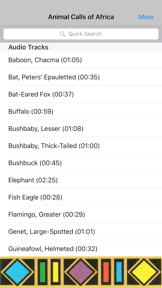













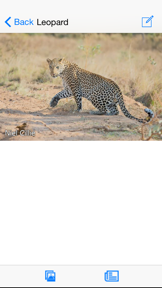


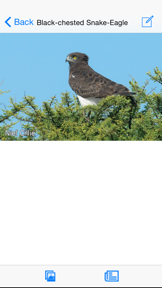
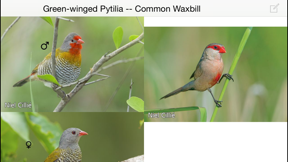


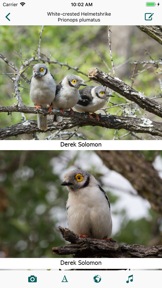


Snapshot
Who is mydigitalearth.com?
Equipping naturalists with authoritative, expert-led digital field guides for precise wildlife identification and tracking.
Target audience


Portfolio
Free 3Last updated

Sibley Birds 2nd Edition
v1.5
1.5y ago
Publisher DNA
What defines mydigitalearth.com?
Publisher DNA
Primary focus
Digital natural history field guides
Scale
indie
Target audience
Serious birdwatchers, ornithologists, and wildlife enthusiasts requiring high-accuracy identification tools in the field.
Signature Patterns
- •Premium one-time purchase pricing model for high-utility reference content
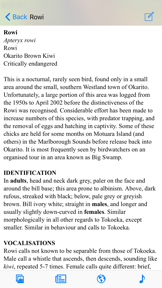
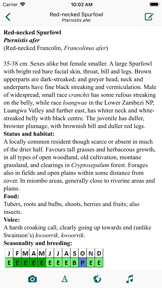
- •Digitization of established print reference materials and expert-curated databases
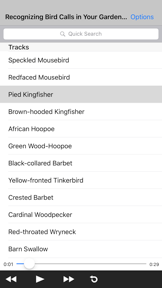
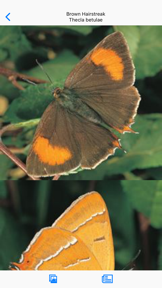
- •Heavy reliance on multimedia assets including high-resolution illustrations and audio recordings
- •Geographically specialized titles targeting specific regional wildlife markets
Portfolio momentum
The publisher released 4 updates across its 7-app portfolio in the last 6 months, indicating active maintenance of its core premium assets.
Portfolio
What does mydigitalearth.com ship?
Apps
47 apps analysed

Analysis in progress

Analysis in progress

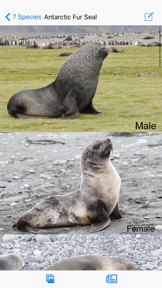
Covering wildlife of the Antarctic Peninsula, Sth Georgia, Falklands and Ushuaia


Analysis in progress

Analysis in progress

Analysis in progress
Single-market publisher, every app ships only to United States.
Based on 6 of 47 apps with localized market data, more coverage rolling in as scans complete · last scanned .
Americas (1)
- United States6 / 6
Core markets (6/6 apps)
User Sentiment
How do users feel about their apps?
0
Positive apps
1
Neutral / mixed
0
Negative apps
65/100
Avg sentiment score
Rivals
Who does mydigitalearth.com compete with?
The rivals identified
Nemeses(5)


Both apps serve the same niche of ornithology enthusiasts by replacing physical field guides with digital multimedia tools for species identification.


Both applications serve the niche market for digital bird identification field guides, sharing core functionality including species databases, audio libraries, and distribution maps.


Both applications target birders and ornithologists by providing databases of bird species, audio recordings, and visual identification tools.


Birda targets the same birding audience by shifting the focus from static reference to social-first engagement and community-led identification.


Both applications serve as regional wildlife identification guides, competing for the same niche market of nature enthusiasts and researchers.
Contenders(20)


Both applications serve the birdwatching niche by providing digital field guides, creating a direct overlap in utility for users seeking species identification tools.


Both apps serve the niche of digital field guides for bird identification, targeting enthusiasts with specialized databases and audio-visual aids. They compete for the same user intent of portable, species-specific reference tools despite their distinct geographic focus.


Both applications serve the bird identification market, creating direct competition for users seeking specialized ornithological reference tools despite their differing geographic focuses.


Both apps serve as paid, specialized digital field guides for birdwatchers, competing for the same niche audience of ornithology enthusiasts who require regional identification tools.


Both apps target Australian birdwatchers and nature enthusiasts, creating direct competition for time and attention during field identification tasks.


Larkwire complements the source app by focusing on the educational aspect of birding, training users to identify species by sight and sound.


Both apps target birdwatchers and nature enthusiasts, competing for user attention during field identification tasks.


Audubon Bird Guide acts as a trusted, authoritative reference tool that provides similar identification and sighting logging capabilities.


This app provides a specialized wildlife tracking guide, sharing the research-focused utility of the source app.


Both apps serve the same niche as paid, mobile-first field guides for birders, competing directly for the attention of travelers and regional enthusiasts.


Smart Bird ID competes for the same audience by offering a free, ad-free identification tool that includes gamified learning features.


Both apps target nature enthusiasts, but the rival focuses on camera-based scat identification while the target provides an expert-curated mammal database for southern Africa.


Both apps target bird enthusiasts, but they serve distinct use cases: Morcombe & Stewart Guide functions as a portable field identification tool, while Bird Atlas Mapstore serves as a static research archive for historical distribution data.


Both apps target the southern African wildlife enthusiast market, competing for user attention during field identification tasks.


Both apps function as specialized wildlife identification tools for naturalists, competing for the same user intent despite their distinct geographic focuses.


Both apps function as specialized digital field guides for wildlife identification, competing for the same audience of students and nature enthusiasts who require high-fidelity biological data.


Both apps target safari-goers and wildlife enthusiasts by providing identification tools, checklists, and multimedia content for African species.


Both apps target nature enthusiasts seeking bird vocalization references, creating competition for users prioritizing audio identification over comprehensive regional field guides.


Both apps target the same regional nature enthusiast demographic in Southern Africa, competing for the limited time and attention of users identifying local wildlife.


Both apps target outdoor enthusiasts requiring wildlife identification tools, with Stuarts' SA Mammals providing expert-curated content while Animal Track Identifier offers AI-driven scanning for hikers and hunters.
Same space(38)


Acts as a community-driven alternative for wildlife identification, focusing on user-contributed observations rather than expert-curated reference data.


Bird Watching Magazine provides an editorial archive that complements the source app's reference data with expert-led advice.


Birdbuddy captures the same nature-enthusiast demographic by augmenting traditional birding with hardware-integrated, gamified identification.


eBird serves the same user base by providing a standardized platform for recording observations, acting as a companion to field guides.


Roostly targets the same mobile-first birding audience by providing a subscription-based identification tool that saves sightings automatically.


Bird ID competes by offering automated audio and photo identification, though its maintenance-mode status limits its long-term utility.


This app provides AI-powered aquatic species scanning, competing on the utility of digital identification and cataloging.


Bird ID provides an AI-driven identification alternative to Sibley's manual lookup.


This app provides a bilingual marine identification guide, serving as an educational archive for coastal species.


Featha provides an automated identification tool that gamifies the birding experience through collection history.


This app offers AI-powered identification for aquatic species, competing on technology rather than static reference data.


This app provides a non-commercial identification library for marine enthusiasts, focusing on regional taxonomy.


This app functions as an educational study aid for marine science, targeting the same academic audience as the source app.


This app provides a regional nudibranch identification guide, sharing the offline reference utility of the source app.


This app provides an offline-capable reference database for marine biology, sharing the research-focused utility of the source app.


It provides offline media for remote identification, serving a similar utility-first need for nature enthusiasts in connectivity-poor environments.


This app provides a specialized guide for scuba divers, focusing on geographic-specific marine life identification.


Birder gamifies the identification process, offering a more interactive experience than Sibley's static reference.


Bird Guide offers a basic, offline-capable reference database that serves as a lightweight alternative to the source app.


This app provides an offline shark reference tool, sharing the specialized identification utility of the source app.


Birds of Africa is a direct regional competitor that provides a specialized identification library for the same geographic area.


This app provides free AI-powered identification for aquatic species, lowering the barrier to entry for casual enthusiasts.


This app provides AI-powered species recognition for hobbyists, competing on the utility of digital identification.


Serves as a generalist field identification tool for outdoor enthusiasts, overlapping with the target audience of nature observers.


This app provides a regional bird identification guide, sharing the paid encyclopedia model of the source app.


This app provides AI-powered fish identification, competing on the convenience of digital identification tools.


The Warbler Guide serves as a high-fidelity, specialized reference tool for a specific subset of the source app's birding audience.


BirdWeather provides a hardware-integrated bioacoustic monitoring platform that exceeds Sibley's manual identification scope.


Focuses on a specific niche of wildlife identification, providing a specialized tool for track analysis that complements broader mammal guides.


BirdNET serves the same audience by providing a specialized, AI-driven tool for identifying birds through bioacoustic analysis.


Bird Call Xeno provides a massive, open-source audio library that serves as a resource for birders needing identification audio.


Serves as a localized, all-in-one companion for safari-goers in the same region, combining navigation with species identification.


GoBird acts as a free, lightweight mobile interface for the eBird database, serving as a utility for quick identification.


Targets the same geographic region for travel planning, emphasizing offline navigation rather than species identification.


BirdScope targets the same identification need as Sibley but uses AI-driven photo and audio recognition.


BirdTune offers an automated identification tool with offline capabilities that serves as a mobile alternative to Sibley.


This app provides a comprehensive species database for anglers, overlapping with the encyclopedia functionality of the source app.


Focuses on the conservation research aspect of wildlife tracking, providing a professional tool for data collection in the field.
New entrants(4)


Bird Songs App competes by offering a privacy-focused, account-free identification tool that uses the same BirdNET engine.


Bird Song Identifier・Sounds ID offers a free, ad-supported identification utility that targets casual users who prioritize accessibility.


Offers an immersive, visual-first approach to wildlife education that contrasts with the traditional field guide format.


Bird Song Identifier UK provides a fast, automated identification tool for UK-based users, contrasting with Sibley's North American focus.
The Analyst's Read
The bottom line on mydigitalearth.com
Bottom line
Mydigitalearth.com is a well-positioned niche studio that leverages institutional content to command premium pricing. Their high weighted rating suggests strong product-market fit among a dedicated user base that prioritizes accuracy over free alternatives.
Frequently asked questions
How many apps does mydigitalearth.com publish?
What kind of apps does mydigitalearth.com make?
What is mydigitalearth.com's top app?
In how many countries are mydigitalearth.com's apps available?
What fed this analysis
- Apps analyzed:
- 7
- With full intel:
- 1
- With overview:
- 7
- Website scraped:
- yes
- Social presence:
- yes
