

science-to-touch
For creative professionals, geometry enthusiasts, and students seeking a blend of artistic expression and scientific exploration.
 iOrnament: draw mandala & art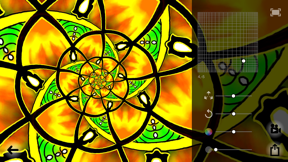



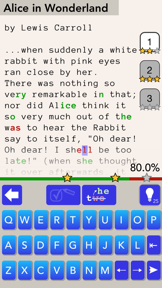


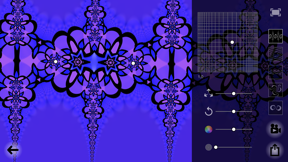


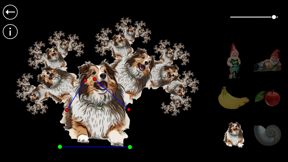
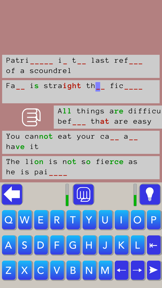

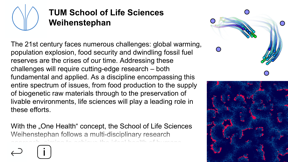
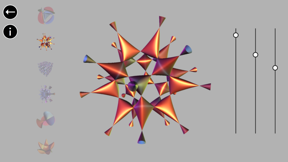

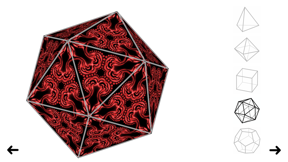


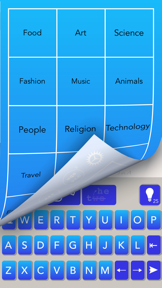


Snapshot
Who is science-to-touch?
Bridging the gap between mathematics and creative arts through interactive digital tools. Helping users explore geometry through design.
Target audience


Portfolio
Free 5Last updated

iOrnament: draw mandala & art
v2.5.13
5.3y ago
Publisher DNA
What defines science-to-touch?
Publisher DNA
Primary focus
Interactive math-art and educational tools
Scale
indie
Target audience
Creative professionals, geometry enthusiasts, and students seeking a blend of artistic expression and scientific exploration.
Origin
Likely a research-led or academic initiative, given the branding and associations with technical university projects.
Signature Patterns
- •Core focus on mathematical symmetry and geometric transformations as a creative mechanic
- •Hybrid monetization strategy utilizing both premium paid apps and free versions
- •Educational content that prioritizes interactive visualization over rote memorization
- •Visual style characterized by geometric precision and generative pattern design
Portfolio momentum
The publisher has not released an update across its 7-app portfolio in the last six months, with all titles currently classified as abandoned.
Portfolio
What does science-to-touch ship?
Apps
7 apps analysed


Distributed across 20 markets, strongest in Europe.
Based on 2 of 7 apps with localized market data, more coverage rolling in as scans complete · last scanned .
Americas (4)
- Mexico2 / 2
- United States2 / 2
- Brazil1 / 2
- Canada1 / 2
Europe (9)
- France2 / 2
- Germany2 / 2
- Italy2 / 2
- Spain2 / 2
- Netherlands1 / 2
›+4 more europe markets
- Portugal1 / 2
- Sweden1 / 2
- Turkey1 / 2
- United Kingdom1 / 2
Asia-Pacific (7)
- Japan2 / 2
- Australia1 / 2
- India1 / 2
- Indonesia1 / 2
- Singapore1 / 2
›+2 more asia-pacific markets
- South Korea1 / 2
- Vietnam1 / 2
Core markets (2/2 apps)
Rivals
Who does science-to-touch compete with?
The rivals identified
Nemeses(1)

Both apps target the same mandala drawing demographic and utilize symmetry-based engines to facilitate digital art creation.
Contenders(10)


Both apps target artists and hobbyists through specialized symmetry engines designed for creating mandalas and complex geometric patterns.


Both apps target digital artists with generative drawing tools, competing for users seeking creative expression through specialized brush engines.


Both apps target users interested in generative art, competing for time spent on interactive, math-based visual creation tools.


Both apps target users seeking meditative, creative experiences on mobile devices through procedural generation and visual art.


Both apps target digital artists and hobbyists with mobile-first tools for generating geometric or repeat-based designs. They compete directly for the same creative user base seeking to produce custom patterns and wallpapers.


Both apps compete for digital art creation time, with Doodle Draw Pad capturing the general drawing market while iOrnament focuses on geometric symmetry.


Both apps compete for the mobile digital art audience, with Sketchbook's freemium model directly challenging iOrnament's paid entry point for casual hobbyists.


Both apps target users interested in digital mandala creation, competing for the same creative segment through symmetry-focused drawing tools.


Both apps target digital artists and hobbyists using iPad-based creative tools, with overlapping interest in symmetry-based design and stroke-based art creation.


Both apps target the same creative demographic seeking meditative, generative drawing experiences on mobile devices, with both utilizing a one-time purchase model.
Same space(7)


Provides a similar symmetry-focused drawing experience as iOrnament but emphasizes neon light effects and motion-reactive brushes.


Targets the same mandala-focused audience as iOrnament but uses a layered element construction method rather than freehand drawing.


Offers a specialized utility for artists that shares the creative focus of iOrnament but shifts from symmetry to 3D character posing.


Directly competes with iOrnament by offering a dedicated symmetry-based drawing environment for iPad and iPhone.


Serves the same meditative user base as iOrnament by providing sensory regulation through interactive visual physics.


Targets the same creative doodling demographic as iOrnament but focuses on child-friendly features and preset color palettes.


Captures the casual creative audience through tap-to-draw mechanics that prioritize ease of use over mathematical precision.
New entrants(1)


Offers a broader studio suite that includes symmetry drawing alongside photo editing and frame tools.
The Analyst's Read
The bottom line on science-to-touch
Bottom line
Science-to-touch is a specialized indie studio that successfully commercialized academic mathematical concepts into high-authority creative tools. While their products maintain strong product-market fit in the math-art niche, the lack of recent updates suggests a pivot away from active mobile growth.
Frequently asked questions
How many apps does science-to-touch publish?
What kind of apps does science-to-touch make?
What is science-to-touch's top app?
In how many countries are science-to-touch's apps available?
What fed this analysis
- Apps analyzed:
- 7
- With full intel:
- 0
- With overview:
- 7
- Website scraped:
- yes
- Social presence:
- yes