

Singit
 Singit: Learn & Speak English






Publisher DNA
What defines Singit?
AI intelligence is not yet available for Singit. The portfolio data below is up to date.
Portfolio
What does Singit ship?
Apps
2 apps analysed

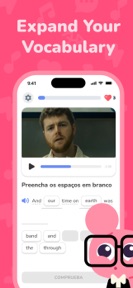
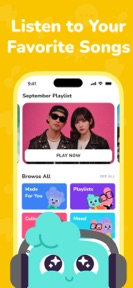
Learn English the easy way! Use songs to improve words, speaking, and listening


Analysis in progress
Distributed across 6 markets, strongest in Americas.
Based on 2 of 2 apps with localized market data · last scanned .
Americas (3)
- United States2 / 2
- Brazil1 / 2
- Mexico1 / 2
Europe (3)
- Germany1 / 2
- Portugal1 / 2
- Spain1 / 2
Core markets (2/2 apps)
Rivals
Who does Singit compete with?
The rivals identified
Nemeses(1)


Both apps compete for language learners, but Falou uses a speaking-first AI curriculum while Singit uses music-integrated lessons to drive vocabulary retention.
Contenders(10)


Both apps compete for the same language learner audience by offering distinct pedagogical methods: music-based vocabulary retention versus AI-driven conversation practice.


Both applications target English language learners seeking to improve pronunciation and vocabulary, competing directly for user time spent on daily language practice.


Both apps compete for English language learners by offering distinct pedagogical methods: Singit uses music-based curriculum for vocabulary retention, while YayTalk provides AI-persona conversation practice.


Both apps target language learners seeking conversational fluency, competing for the same user base by offering distinct pedagogical methods: music-integrated learning versus AI-simulated roleplay.


Both apps compete for the same mobile-based language learner demographic by offering interactive lessons within the education category.


Both apps target English language learners, competing for time spent on language acquisition through distinct pedagogical methods: music-based engagement versus AI-driven conversational practice.


Both apps target English language learners seeking fluency, with Singit focusing on music-based pedagogy and Fluzy focusing on AI-driven conversational practice.


Both apps target language learners seeking conversational fluency, but they diverge on the core pedagogical mechanism: Praktika uses AI avatars for conversation, while Singit utilizes music lyrics for vocabulary and pronunciation.


Both applications compete for the same language-learning audience by offering distinct methods to improve conversational fluency and pronunciation.


Both apps target English language learners seeking fluency, with Singit focusing on music-based pedagogy and Duo Speak on AI-driven conversation practice.
Same space(18)


Targets professional language learners like Singit but uses structured expert-led curriculum instead of music.


Targets serious learners like Singit but emphasizes social feedback and certification over music-based engagement.


Targets casual learners like Singit but uses visual game-based vocabulary loops instead of music.


Offers vocabulary building like Singit but uses AI-flashcards and real content extraction.


Competes for the same daily habit-forming language learners as Singit but relies on gamified loops rather than music.

known for HelloTalk - Language Learning
Provides conversational practice through social interaction, contrasting with Singit's solo music-based learning.


Focuses on language acquisition like Singit but uses Deaf-led video lessons for sign language.


Shares the goal of vocabulary retention with Singit but uses a minimalist daily word approach.


Targets language learners like Singit but uses a four-skill approach including reading and listening.


Shares the music-based educational approach of Singit but focuses on guitar skills rather than language.


Offers conversational practice similar to Singit's goals but uses AI simulation instead of music.


Provides personalized language instruction like Singit but relies on human tutors rather than music-based tools.


Serves the same student demographic as Singit but focuses on general academic study rather than music-based language acquisition.


Focuses on vocabulary growth like Singit but uses science-based paths for exam prep.


Targets the same language-learning goal as Singit but uses a rigid audio-immersion method instead of music-integrated lessons.


Shares the music-based pedagogy of Singit but focuses on instrument proficiency rather than language acquisition.


Focuses on speaking practice like Singit but uses AI-driven roleplay instead of music.


Targets casual learners like Singit but uses cultural context modules instead of music.
