


Stem4
For teenagers and young people (11-19) struggling with anxiety or self-harm, often supported by parents or clinicians.
 Calm Harm – manage self-harm

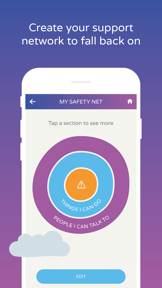

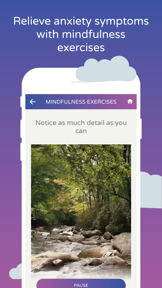


Snapshot
Who is Stem4?
Providing clinician-led mental health tools designed to help young people manage anxiety and self-harm through evidence-based frameworks.
Target audience


Portfolio
Free 2Last updated

Calm Harm – manage self-harm
v6.0.4
1.1y ago
Publisher DNA
What defines Stem4?
Publisher DNA
Primary focus
Clinical mental health tools for youth
Scale
indie
Target audience
Teenagers and young people (11-19) struggling with anxiety or self-harm, often supported by parents or clinicians.
Origin
Developed by a clinical psychologist for the charity stem4.
Signature Patterns
- •Integration of clinical frameworks such as Dialectical Behaviour Therapy (DBT) and Cognitive Behavioural Therapy (CBT).
- •Commitment to a 100% free access model with no monetization or in-app purchases.
- •Targeted interventions for the 11-19 age demographic focused on emotional regulation and resilience.
Portfolio momentum
Released 3 updates across 2 apps in the last 6 months, with the most recent major update occurring 37 days ago.
Company profile
low confidence- Headquarters
- United Kingdom
Portfolio
What does Stem4 ship?
Apps
3 apps analysed
Calm Harm provides tasks that help you track & resist self-harm urges


DBT-informed methodology functions as a clinical brand moat
- Evidence-based distraction techniques provide immediate relief for users managing intense self-harm urges
- Inflexible timer settings during breathing exercises create unnecessary pressure for users seeking calm


Analysis in progress
Single-market publisher, every app ships only to United States.
Based on 2 of 3 apps with localized market data, more coverage rolling in as scans complete · last scanned .
Americas (1)
- United States2 / 2
Core markets (2/2 apps)
User Sentiment
How do users feel about their apps?
1
Positive apps
0
Neutral / mixed
0
Negative apps
82/100
Avg sentiment score
Rivals
Who does Stem4 compete with?
The rivals identified
Nemeses(2)


Both apps utilize Cognitive Behavioural frameworks to manage anxiety, creating direct competition for users seeking evidence-based mental health tools.


Both apps target the self-harm recovery segment with free, passcode-protected tools, creating direct competition for users seeking immediate urge-management support.
Contenders(16)


Both applications utilize Cognitive Behavioural Therapy frameworks to address anxiety management, creating direct competition for users seeking clinical-based mental health support.


Provides specialized support for self-harm and suicidal ideation, serving a higher-acuity need than Clear Fear.


Both apps provide free, CBT-based toolkits for anxiety and mood management, creating direct competition for users seeking clinical support without subscription costs.


Provides an AI-driven CBT experience that acts as a digital coach for thought pattern management.


Both apps utilize Cognitive Behavioural Therapy frameworks to address anxiety, creating direct competition for users seeking digital mental health support.


Serves as a direct alternative for panic attack management, targeting a broader adult demographic than Clear Fear.


Presmo competes by offering a broader range of therapeutic modalities and adaptive exercise matching, directly challenging the DBT-focused distraction techniques used in Calm Harm. Both apps target users seeking immediate relief from distress through evidence-based exercises.


Both apps target users managing mental health crises using DBT-based techniques and offer free, ad-free experiences, creating direct competition for users seeking clinical-grade support tools.


Both apps provide free, clinician-informed tools for anxiety management, directly competing for users seeking accessible mental health support.


Both apps provide free, accessible digital tools for users seeking immediate relief from panic and anxiety symptoms. They compete directly for the same user base looking for non-clinical or clinician-led intervention methods.


Both apps target users in acute mental health distress, creating a shared user base seeking immediate crisis intervention tools for self-harm and suicide prevention.


Both apps provide free, CBT-based anxiety management tools, creating direct competition for users seeking accessible mental health support.


Both apps compete for users seeking free, self-guided digital tools to manage anxiety and panic symptoms. They overlap in their provision of interactive breathing exercises and anxiety-focused educational content.


Both apps compete for users seeking accessible anxiety management tools, targeting the same mental health relief category through free mobile platforms.


Both apps target users seeking immediate relief from anxiety and panic symptoms through free, accessible digital toolkits.


Both apps target users seeking evidence-based mental health tools, specifically focusing on anxiety and self-harm management through structured, clinical frameworks.
Same space(29)

Directly competes with Clear Fear as a free, evidence-based CBT resource for anxiety management.


Provides a structured training program for anxiety, competing for users seeking evidence-based relief beyond standard CBT.


Uses AI-driven conversational support to manage anxiety, offering a more interactive alternative to static CBT tools.


Targets the same adolescent demographic as Clear Fear but focuses on holistic teen health rather than anxiety alone.


Offers sensory-based coping mechanisms that complement the CBT tools found in Clear Fear.


Mood & Mental Health Tracker adds an analytical layer by correlating life triggers with mood, expanding on the basic logging in Calm Harm.


DBT Pal focuses on rapid diary card entry, providing a utility-focused bridge to clinical review for therapy patients.


Offers a non-commercial, free alternative for anxiety management with hardware-integrated features.


Uses AI-driven conversations to provide immediate relief during panic attacks.


Calm serves as a high-production alternative for users seeking general stress management rather than clinical self-harm intervention.


Focuses on CBT journaling and psychological testing to help users track their mental health progress.


DBT Diary Card & Skills Coach provides a paid, clinical-grade alternative for users requiring deep DBT adherence.


Provides immediate panic relief through a dedicated button, similar to the tools in Clear Fear.


FreeCBT provides an open-source thought diary, offering a transparent alternative for users focused on CBT techniques.


Targets similar mental health conditions but faces retention challenges due to technical and monetization friction.


Wisdom Wellbeing provides a gated B2B service for employees, contrasting with the open-access, non-profit model of Calm Harm.


Provides a comprehensive anxiety toolkit that includes nervous system regulation and AI chat support.


Bifocal provides a comprehensive DBT toolkit with iCloud-based data security, catering to users who prioritize privacy and data ownership.


MindDoc provides a structured clinical tracking layer for users who need more than the distraction techniques offered by Calm Harm.


Quabble aggregates multiple wellness tools into one interface, offering a broader scope than the focused utility of Calm Harm.


Offers diagnostic assessments that help users identify their mental health profile before starting intervention programs.


Simple DBT Skills Diary Card focuses on the tracking aspect of DBT, serving as a lightweight alternative to Calm Harm.


Uses upstream CBT to promote positive mental health through relaxation and visualization techniques.


Radically DBT provides an interactive skill-stacking system, offering a more dynamic way to practice DBT than the fixed timers in Calm Harm.


SuperBetter uses game design to build resilience, offering a different psychological framework than the DBT-based approach of Calm Harm.


Offers a moderated peer support environment that serves as an alternative to the self-guided tools in Clear Fear.


Uses CBT journaling to help users manage anxiety and depression through structured thought processing.


Woebot offers AI-driven support for users who require partner-sponsored access to clinical therapy techniques.


Wysa provides an AI-powered conversational interface for daily mental health maintenance, complementing the manual tools in Calm Harm.
New entrants(2)


Focuses on immediate panic attack intervention through guided audio support.


DBT Diary Card & Skills Log emphasizes session preparation for care teams, offering a more formal reporting structure than Calm Harm.
The Analyst's Read
The bottom line on Stem4
Bottom line
Stem4 is a high-trust non-profit publisher successfully bridging the gap between clinical psychology and mobile UX. Their weighted 4.28★ rating across a focused portfolio reflects strong product-market fit within the youth mental health sector.
Frequently asked questions
How many apps does Stem4 publish?
Where is Stem4 based?
What kind of apps does Stem4 make?
What is Stem4's top app?
In how many countries are Stem4's apps available?
What fed this analysis
- Apps analyzed:
- 2
- With full intel:
- 0
- With overview:
- 2
- Website scraped:
- yes
- Social presence:
- yes