

Studley AI
 Studley: AI Study Tutor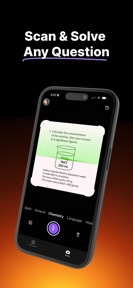






Publisher DNA
What defines Studley AI?
AI intelligence is not yet available for Studley AI. The portfolio data below is up to date.
Portfolio
What does Studley AI ship?
Apps
2 apps analysed
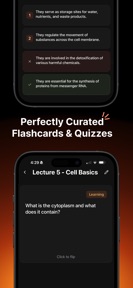
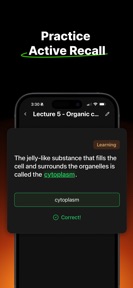
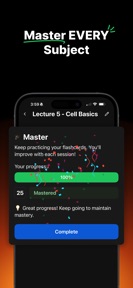
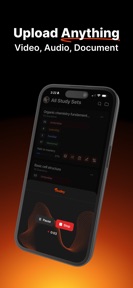
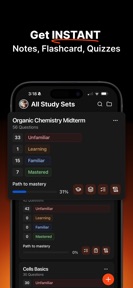
AI flashcards, quizzes, notes & tutoring from your lectures, PDFs and videos.


High user satisfaction (4.76 rating) sustains organic install velocity.
- AI-powered study assistance helps students improve their grades by generating quizzes and summaries from lecture notes
- Aggressive paywalling after a limited free trial prevents students from accessing essential study tools without a subscription

AI flashcards, quizzes, notes & tutoring from your lectures, PDFs and videos.

Analysis in progress
Distributed across 12 markets, strongest in Europe.
Based on 1 of 2 apps with localized market data, more coverage rolling in as scans complete · last scanned .
Americas (3)
- Brazil1 / 1
- Mexico1 / 1
- United States1 / 1
Europe (7)
- France1 / 1
- Germany1 / 1
- Italy1 / 1
- Netherlands1 / 1
- Portugal1 / 1
›+2 more europe markets
- Spain1 / 1
- Sweden1 / 1
Asia-Pacific (2)
- Japan1 / 1
- South Korea1 / 1
Core markets (1/1 apps)
User Sentiment
How do users feel about their apps?
1
Positive apps
0
Neutral / mixed
0
Negative apps
75/100
Avg sentiment score
Rivals
Who does Studley AI compete with?
The rivals identified
Nemeses(1)

Both apps target students with AI-driven study tools, but Knowunity adds a community-sourced notes library that creates a content-based retention loop Studley lacks.
Contenders(5)


Both applications target students with free AI-powered study assistance, competing directly for time spent on homework and exam preparation.


Both applications target students by converting uploaded documents and lecture materials into AI-generated study tools like flashcards and quizzes.


Both apps target students seeking AI-assisted academic support, with Studley focusing on multi-modal content synthesis and Quiz AI specializing in scan-to-solve math problem resolution.


Both apps target students with AI-driven study tools like flashcards and quizzes, competing for the same academic revision time.


Both apps target students by automating study material creation from personal documents, directly competing for the same academic revision workflow.
Same space(17)


Sophia targets the same exam-focused student demographic, using AI to create personalized roadmaps rather than just generating study content.


LinguaPal targets students preparing for specific exams like IELTS, offering specialized conversation modes that complement general academic study tools.


Lernix provides conversational practice that serves as an alternative to the active recall tools found in Studley.


Langla targets the same student audience but focuses on language acquisition through a dedicated AI hub rather than general academic study material generation.


AI Language Learning & Tutor competes for the same student time by focusing on the anxiety-reduction aspect of speaking practice.


Kiwi AI is a direct functional competitor that converts similar source media into flashcards and quizzes for exam preparation.


Focus: Study Time Tracker complements Studley by providing the time-management infrastructure required for the study sessions Studley supports.


Lets Speak competes for the same user base by offering role-play scenarios that provide a different engagement model than Studley's flashcards.


Luzia is a broad AI assistant that overlaps with Studley's functionality by summarizing PDFs and providing study explanations.


Talka AI competes for the same student demographic by offering unlimited conversation practice as a supplement to traditional study.


Gauth competes for the same student demographic by offering homework assistance, though it relies on a human expert network rather than purely automated study tools.


BetterSpeak occupies the adjacent language-learning space, competing for the same user time by using interactive avatars for conversational practice.


Linguza serves a similar user base by providing conversational AI practice, specifically targeting English fluency rather than broad study material synthesis.


DailySpeak competes for the same user attention by replacing traditional study drills with conversational practice across 80+ languages.


Gizmo is a direct functional peer that automates the same core task of converting diverse media into interactive study materials.


ThetaWave is a direct functional peer that transforms multi-modal inputs into structured study notes and mind maps.


Fluza addresses the same student need for confidence-building, using AI to simulate real-world speaking scenarios instead of generating academic study notes.
New entrants(1)


Aiva AI targets the same student audience by providing guided speaking practice for daily life and professional situations.
