Tapclay
For students, language learners, and specialized professionals such as photographers, architects, and mobile videographers requiring offline data.
 StableCam 2: Video Stabilizer


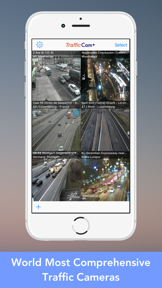

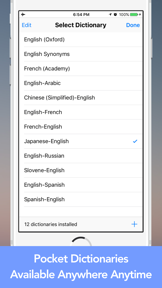
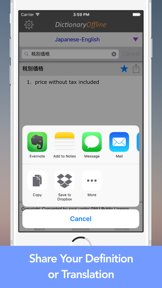

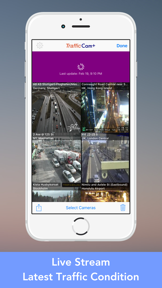

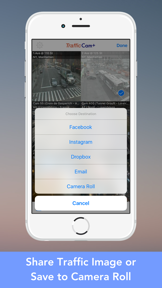

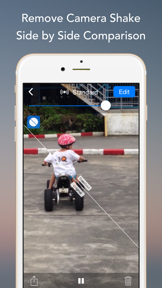
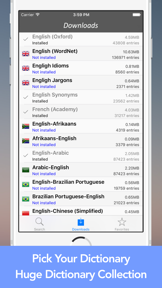
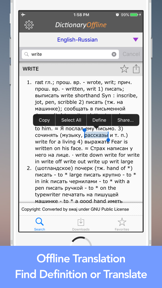


Snapshot
Who is Tapclay?
Providing high-utility offline reference tools and specialized technical utilities for students, travelers, and creative professionals.
Target audience


Portfolio
Free 5Last updated

StableCam 2: Video Stabilizer
v2.0.1
8mo ago
Publisher DNA
What defines Tapclay?
Publisher DNA
Primary focus
Utility and reference mobile applications
Scale
indie
Target audience
Students, language learners, and specialized professionals such as photographers, architects, and mobile videographers requiring offline data.
Signature Patterns
- •Strong emphasis on offline-first functionality across reference and weather categories.
- •Utility-centric design language prioritizing data visualization via AR, maps, and specialized interfaces.
- •Monetization strategy centered on free and freemium models with ad-supported tiers.
- •Portfolio diversification across distinct technical niches including navigation, photography, and developer tools.
Portfolio momentum
The publisher is in an active development phase with 8 updates across the portfolio in the last 6 months and a major release occurring within the last 48 hours.
Portfolio
What does Tapclay ship?
Apps
8 apps analysed

One-time purchase model avoids recurring subscription friction
- Comprehensive dictionary definitions and thesaurus entries provide educational value for users across multiple languages
- Full-screen takeover ads disrupt the user experience and frustrate those navigating the dictionary

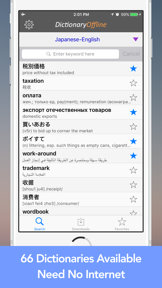
66-dictionary library provides comprehensive multi-language breadth
- The offline dictionary functionality provides reliable access to definitions for users without consistent internet connectivity
- Full-screen takeover ads disrupt the reading experience and frustrate users who prefer less intrusive banners


Distributed across 8 markets, strongest in Europe.
Based on 3 of 8 apps with localized market data, more coverage rolling in as scans complete · last scanned .
Americas (3)
- Brazil3 / 3
- Mexico3 / 3
- United States3 / 3
Europe (4)
- Germany3 / 3
- Portugal3 / 3
- Spain3 / 3
- France2 / 3
Asia-Pacific (1)
- Japan3 / 3
Core markets (3/3 apps)
User Sentiment
How do users feel about their apps?
2
Positive apps
0
Neutral / mixed
0
Negative apps
75/100
Avg sentiment score
Rivals
Who does Tapclay compete with?
The rivals identified
Nemeses(2)

This app maintains the largest market share in the dictionary niche with consistent updates and a massive, active user base.


Both apps target photographers and outdoor enthusiasts with solar tracking tools, competing directly for users seeking sunrise, sunset, and AR-based lighting planning.
Contenders(12)


It dominates the translation sub-niche with superior AI-driven accuracy that outpaces standard dictionary lookups.


As a highly authoritative brand, it serves as a primary alternative for users seeking academic-grade definitions.


It bridges the gap between dictionary lookups and language learning through real-world usage examples.


Both apps target photographers and individuals tracking solar patterns using augmented reality, creating direct competition for users seeking solar positioning tools.


Both apps target solar professionals and outdoor users with sun positioning tools, creating direct competition for users seeking precise azimuth and elevation data.


Both apps target solar-tracking professionals and hobbyists with AR-based visualization, creating direct competition for users seeking precise sun path data.


Both apps target photographers and professionals requiring solar positioning data, with overlapping core functionality in augmented reality visualization.


SunCast targets the same professional and hobbyist audience as Orbit by offering overlapping solar positioning and augmented reality visualization tools at a zero-cost price point.


Both apps target photographers and property scouts by providing augmented reality sun path visualization and solar timing data for free.


Both apps target photographers and architects with solar positioning tools, creating direct competition for light planning and site analysis workflows.


Both apps target photographers and solar planners with augmented reality solar tracking, creating direct competition for users seeking accessible celestial data.


Both apps target users requiring solar positioning data for planning, with overlapping functionality in sun path tracking and free pricing models.
Same space(23)


An adjacent reference tool that excels in AI-powered translation and image-based text recognition.


Offers an offline-first reference experience similar to the target app, but centered on encyclopedic content.


Alpenglow complements Orbit by providing predictive lighting quality forecasts for photographers, rather than just raw solar positioning.


Sun Quest targets the professional segment of Orbit's audience by focusing on specific industry use cases like real estate and architecture.


Sun Times differentiates itself from Orbit by focusing on Apple Watch integration and a privacy-first approach for daily planning.


This app provides a similar solar disk visualization to Orbit but adds weather integration for a broader utility set.


SunSafe shifts the solar tracking utility toward personal health and UV monitoring rather than architectural or photographic planning.


This app focuses on the notification and alarm aspect of solar tracking, catering to users who need reminders for specific light conditions.


Xasteria Plus expands on Orbit's solar utility by adding specialized weather forecasting for night-sky observation.


Provides a broad, multi-language dictionary experience that competes for the same general reference audience.


Sunset and Sunrise Times serves as a direct, ad-free alternative to Orbit for users prioritizing simplicity and long-term support.


Moonlitt serves the same astronomy-focused audience as Orbit, but shifts the utility from solar tracking to lunar cycles.


3D Compass provides the navigation and orientation data that underpins Orbit's AR features, but as a standalone tool.


PV Optimizer focuses on the solar energy generation aspect of Orbit's audience, specifically for DIY solar panel installers.


Targets the academic and collegiate demographic with a specialized focus on formal English vocabulary.


Sunrise & Sunset Times Tracker targets the same planning audience as Orbit but uses a subscription model for future-date calculations.


Sun Seeker is a primary professional competitor to Orbit, offering a one-time purchase model for field-based solar surveying.


This app provides similar solar event tracking to Orbit but includes specific support for polar region calculations.


This app provides a similar augmented reality camera view to Orbit for planning photography and garden layouts.


This app provides a quick-glance utility for solar events similar to Orbit, with added basic weather data.


This app offers a similar range of solar data to Orbit but includes advanced astronomical metrics like local sidereal time.


Serves as a massive, community-driven alternative for encyclopedic knowledge rather than just linguistic definitions.


Sun Tracker AR provides a similar technical toolset to Orbit, focusing on shadow simulation for professional site analysis.
New entrants(1)


This app provides a similar notification-based solar tracking experience to Orbit, emphasizing a calm and ad-free interface.
The Analyst's Read
The bottom line on Tapclay
Bottom line
Tapclay is a disciplined indie publisher that leverages a highly successful legacy reference business to fund specialized technical utilities. Their recent surge in release velocity indicates a focused effort to capture professional-grade niches in solar tracking and video stabilization.
Frequently asked questions
How many apps does Tapclay publish?
What kind of apps does Tapclay make?
What is Tapclay's top app?
In how many countries are Tapclay's apps available?
What fed this analysis
- Apps analyzed:
- 8
- With full intel:
- 0
- With overview:
- 8
- Website scraped:
- yes
- Social presence:
- no