


Teamsparta
 Bunker TapTap Defense








Snapshot


Publisher DNA
What defines Teamsparta?
AI intelligence is not yet available for Teamsparta. The portfolio data below is up to date.
Portfolio
What does Teamsparta ship?
Apps
8 apps analysed

Analysis in progress

Analysis in progress

Analysis in progress
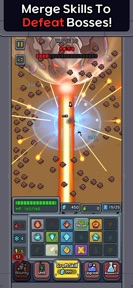
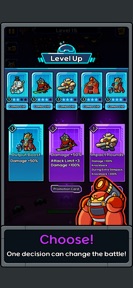
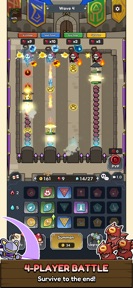
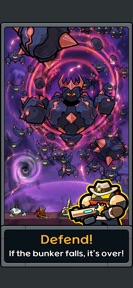
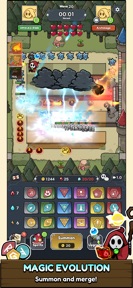
Visual design and user interface elements create an engaging aesthetic for the bunker management theme
- The core tap-based gameplay loop provides a simple and engaging experience for casual play sessions
- Aggressive monetization and pay-to-win mechanics force players to spend money to progress through levels

Analysis in progress
Tightly focused on 3 markets (Japan, South Korea, United States).
Based on 1 of 8 apps with localized market data, more coverage rolling in as scans complete · last scanned .
Americas (1)
- United States1 / 1
Asia-Pacific (2)
- Japan1 / 1
- South Korea1 / 1
Core markets (1/1 apps)
User Sentiment
How do users feel about their apps?
0
Positive apps
0
Neutral / mixed
1
Negative apps
35/100
Avg sentiment score
Rivals
Who does Teamsparta compete with?
The rivals identified
Nemeses(1)

known for Raid Rush: Tower Defense TD
Both titles compete for the same tower defense audience by utilizing randomized skill generation during combat to drive player progression.
Contenders(7)


Both titles utilize RNG-based merging mechanics to drive tower defense gameplay, directly competing for the same casual strategy player segment.


Both apps target casual tower defense players by utilizing merge-to-upgrade mechanics as the primary progression loop.


Both apps target the casual tower defense market by utilizing incremental progression and merge mechanics to sustain player engagement.


Both apps target casual tower defense players with core loops centered on unit deployment and weapon management. They compete directly for the same mobile strategy audience.


Both apps target the tower defense strategy segment, competing for the same casual player base through roguelike skill progression and wave-based combat.


Both titles target the casual tower defense market with free-to-play models and offline-capable gameplay loops.


Both apps target casual strategy players through merge-based tower defense mechanics and wave-based progression loops.
Same space(12)


Targets the same idle-survival market with a focus on character collection rather than merge-based defense.


Provides a classic tower defense experience but lacks the live-ops cadence of modern competitors.


Uses a match-3 hybrid loop to capture the same casual strategy demographic as the source app.


Shares the zombie-survival theme but focuses on lane-based combat rather than merge-based tower defense mechanics.


Combines hero defense with roguelite mechanics, appealing to users who enjoy the source app's random skill development.


Shares the tower defense genre but uses a subscription-based model for specific content access.


Appeals to the same tower defense audience but prioritizes minimalist, grid-based tactical placement.


Targets the same zombie-survival audience but lacks the merge-based tower defense mechanics of the source app.


Targets the same tower defense audience by integrating deck-building strategy with real-time combat mechanics.


Targets the same tower defense demographic with a classic 2D loop and whimsical toy-themed aesthetic.


Directly competes with the source app by utilizing a merge-to-upgrade mechanic for unit progression.


Offers a simplified tower defense loop that serves as a basic alternative to the source app.