


Technologie dEducation Alifbee Ltee
 AlifBee - Learn Arabic Easily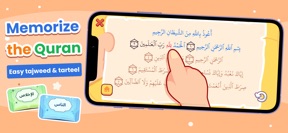







Publisher DNA
What defines Technologie dEducation Alifbee Ltee?
AI intelligence is not yet available for Technologie dEducation Alifbee Ltee. The portfolio data below is up to date.
Portfolio
What does Technologie dEducation Alifbee Ltee ship?
Apps
4 apps analysed

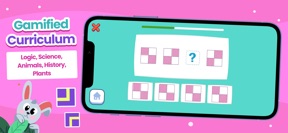
- Interactive word-based puzzles sustain core engagement

Multi-profile management creates high switching costs for multi-child households.
- Educational content effectively teaches Arabic language skills through engaging games and interactive lessons for children
- Technical instability including freezing and crashing after login disrupts the learning experience for active users
Fun Arabic learning | Learn Arabic alphabet & Master Arabic reading & speaking


Analysis in progress

Analysis in progress
Single-market publisher, every app ships only to United States.
Based on 2 of 4 apps with localized market data, more coverage rolling in as scans complete · last scanned .
Americas (1)
- United States2 / 2
Core markets (2/2 apps)
User Sentiment
How do users feel about their apps?
0
Positive apps
1
Neutral / mixed
0
Negative apps
45/100
Avg sentiment score
Rivals
Who does Technologie dEducation Alifbee Ltee compete with?
The rivals identified
Nemeses(1)

Users report: Both apps target Arabic language acquisition, though AlifBee Kids focuses on a child-centric KG curriculum while Kalam targets adult-oriented conversational fluency.
Contenders(10)


Both applications target users seeking Arabic language acquisition, though they diverge on age-appropriateness and curriculum scope.


Both apps target Arabic language acquisition and alphabet mastery, competing for the same parent-led educational time for children.


Users report: Both apps target parents of children aged 3–8 seeking Arabic literacy tools, creating direct competition for daily learning time.


Users report: Both apps target users seeking Arabic language education, with AlifBee Kids providing a broad curriculum for children while Arabic Alphabet focuses on foundational literacy through expert-recorded audio.


Both apps compete for the same parent demographic of children aged 3-8 by offering structured, curriculum-based learning paths.


Both apps target the Arabic language learning market by focusing on foundational script and literacy skills for beginners. They compete directly for users seeking structured, gamified methods to master the Arabic alphabet.


Users report: Both apps target children learning Arabic, with AlifBee focusing on Islamic studies and KG curriculum, while I Read Arabic emphasizes reading comprehension through a library of over 1000 books.


Users report: Both apps target Arabic language acquisition, with AlifBee Kids focusing on a broad KG curriculum for children and Quran Progress targeting Quranic vocabulary for general users.


Users report: Both apps target parents of children aged 3-8 seeking structured, home-based educational content, competing for the same daily screen-time budget.


Users report: Both apps target early Arabic literacy for children ages 3-6, competing for the same parent demographic seeking ad-free educational tools.
Same space(7)


ABCmouse functions as a direct alternative for parents seeking a structured, research-based curriculum for children aged 2 to 8.


Keiki targets the same parent demographic by offering an ad-free, curriculum-based environment that emphasizes school-readiness tools.


CBeebies Learn offers a free, ad-free alternative for preschool readiness that competes for the same daily screen-time slot.


Quranic focuses on the same niche of Quranic Arabic learning but targets a more mature audience through text-based study.


Kiddopia competes for the same parent demographic by providing a research-backed, ad-free learning environment for children aged 2 to 7.


KidloLand competes for the same preschool screen-time budget by offering a broad, curriculum-based suite of 13 categories that spans beyond language learning.


SplashLearn serves as a supplemental tool for children up to grade 5, overlapping with the older end of the AlifBee user base.
