THESE STUDIOS
 BigBean - Learn English Words









Publisher DNA
What defines THESE STUDIOS?
AI intelligence is not yet available for THESE STUDIOS. The portfolio data below is up to date.
Portfolio
What does THESE STUDIOS ship?
Apps
2 apps analysed
AI-driven speaking tutor provides a high-value interaction loop for daily active users
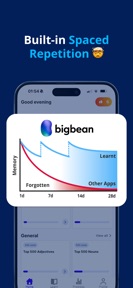
- Visual-based vocabulary learning methods help users retain new English words more effectively than traditional rote memorization
- High subscription costs create a significant barrier for users who cannot afford the premium learning tier

Analysis in progress
Distributed across 8 markets, strongest in Americas.
Based on 1 of 2 apps with localized market data, more coverage rolling in as scans complete · last scanned .
Americas (3)
- Brazil1 / 1
- Mexico1 / 1
- United States1 / 1
Europe (3)
- Germany1 / 1
- Portugal1 / 1
- Spain1 / 1
Asia-Pacific (2)
- Japan1 / 1
- South Korea1 / 1
Core markets (1/1 apps)
User Sentiment
How do users feel about their apps?
1
Positive apps
0
Neutral / mixed
0
Negative apps
85/100
Avg sentiment score
Rivals
Who does THESE STUDIOS compete with?
The rivals identified
Nemeses(2)

Both apps target language learners through AI-driven feedback mechanisms, competing for users seeking to improve English fluency via interactive practice.


Both apps target English language learners, with BigBean focusing on visual vocabulary acquisition and Loora AI on conversational fluency. They compete for the same user base seeking to improve English proficiency through AI-driven tools.
Contenders(18)


Both apps compete for daily language study time by targeting learners who prioritize speaking and vocabulary acquisition over traditional grammar memorization.


Both apps target English vocabulary acquisition through spaced repetition, creating direct competition for users seeking daily study tools.


Both apps target English learners, with ELSA Speak competing for the same user base by offering career-focused pronunciation coaching and a broader lesson library.


Both apps target English language learners with AI-driven tools, competing for daily user time spent on vocabulary and pronunciation improvement.


Both apps target English language learners with free, AI-driven exercises, creating direct competition for daily active users.


Both apps target English learners using AI-driven vocabulary acquisition, creating direct competition for users seeking personalized study methods.


Both applications target English language learners through AI-driven methodologies, competing directly for users seeking alternatives to traditional textbook-based study.


Both apps target English learners using AI-driven pronunciation feedback and conversational practice, competing for the same user base seeking language proficiency.


Both apps target English learners through AI-driven speaking practice, creating direct competition for users seeking fluency improvements.


Both apps target English vocabulary acquisition, but they diverge on the learning mechanism: BigBean uses visual-first AI, while the rival uses gamified, level-based quizzes. The rival captures budget-conscious users who prefer offline, game-like progression over BigBean's subscription-gated AI features.


Magoosh serves as a high-authority vocabulary builder that competes for the same study-focused audience as BigBean's spaced-repetition system.


Both apps target the vocabulary-building segment for English learners, with 2Shine explicitly mapping content to six CEFR levels to capture the same audience seeking structured progression.


Both apps target English learners seeking to expand their lexicon, but they diverge on learning methodology: BigBean uses visual-first AI imagery while Vocabulary relies on minimalist, bite-sized text-based daily lessons.


Both apps target the same language-learning audience using AI-driven feedback loops to improve fluency and vocabulary retention.


Both apps target English learners with free, AI-driven tools, competing for daily practice time through distinct modalities: visual vocabulary acquisition versus conversational voice interaction.


Both apps target English language learners using AI-driven feedback and free-to-use models, competing directly for users seeking daily speaking and vocabulary improvement.


Both apps target language learners seeking active speaking fluency, with BigBean focusing on visual vocabulary acquisition while Speak prioritizes AI-driven conversational practice.


Both apps target English language learners, with BigBean focusing on visual vocabulary acquisition while Stimuler AI prioritizes speech fluency and exam preparation.
Same space(32)


Langla offers a similar AI-tutor experience, focusing on back-and-forth dialogue to build fluency.


Learn Fast & Speak Fluently targets casual learners with a free-access model that mirrors BigBean's pricing strategy.


Deepstash captures the same daily habit-loop as BigBean but focuses on knowledge summaries rather than language-specific vocabulary.


Bunpo provides a multi-language grammar and vocabulary foundation that complements BigBean's visual word-learning focus.


Vocabu serves the same vocabulary-focused audience as BigBean but allows for more flexible data management.


English Pronunciation Practice targets the same foundational English learners as BigBean but focuses exclusively on phonetic training.


FluentU serves the same language-learning market as BigBean by using real-world media to provide context for vocabulary.


Stories competes for the same reading-based language learners as BigBean by using graded literature for vocabulary acquisition.


ISSEN provides a similar AI-tutor experience, focusing on personality-driven role-play to achieve fluency.


Jumpspeak uses AI-simulated roleplay to build speaking confidence, competing for the same fluency-seeking audience as BigBean.


English Dictionary Offline App provides a utility-focused alternative for vocabulary lookup, lacking the immersive AI features of BigBean.


Nibble uses microlearning to capture the same daily-habit window as BigBean but focuses on general knowledge rather than language.


HeyJapan targets the same beginner audience but uses an anime-themed gamified curriculum to differentiate from BigBean's visual feed.


Langua targets the same speaking-practice segment as BigBean's AI tutor but focuses on real-time conversation feedback.


Pinu competes for the same casual learner base as BigBean by using a game-inspired journey to teach language.


LetMeSpeak targets the same fluency-focused audience as BigBean but centers its curriculum on narrative-driven immersion.


Ling serves a similar language-learning audience but relies on native speaker audio and gamified lessons instead of AI-generated imagery.


Fluzy focuses on natural communication through AI chat, serving as an alternative to BigBean's vocabulary-first methodology.


LingoMy competes for the same AI-tutor audience as BigBean by providing voice and video calls for fluency.


Wordrio targets the same vocabulary-focused audience as BigBean but differentiates through a privacy-first, offline model.


Parrot targets the same casual learner segment as BigBean but replaces static vocabulary cards with a short-form video feed.


Pingo AI captures the same conversational-fluency segment but uses a subscription-first funnel that contrasts with BigBean's free-to-use model.


Imprint competes for the same time-constrained, lifelong learner demographic by using a visual micro-learning format.


PONS Vocabulary Trainer focuses on long-term memory through a 7-stage model, offering a structured alternative to BigBean's active recall.


Praktika competes for the same daily habit by using AI avatars to simulate real-world conversations rather than BigBean's visual vocabulary approach.


Qlango offers a massive language library that serves as a broader, multi-language alternative to BigBean's English-focused platform.


Readability targets a younger demographic with AI-powered reading support, contrasting with BigBean's adult-focused vocabulary platform.


Seedlang focuses on German language acquisition through video-based native speaker content, offering a different pedagogical approach than BigBean.


Superfluent uses map-based exploration to teach languages, providing a spatial learning experience distinct from BigBean's vertical feed.


Talkpal targets the same fluency-focused audience but prioritizes roleplay and debate modes over BigBean's visual-word association.


Fluza offers a similar AI-tutor experience, emphasizing speaking confidence for specific scenarios like travel and business.


English Pronunciation@ competes for the same vocabulary-reference audience as BigBean but operates as a legacy utility.
New entrants(2)


Lurnia offers 1:1 AI speaking practice, targeting the same fluency-focused users as BigBean.


LearnUp provides an AI-tutor experience similar to BigBean but emphasizes active communication across multiple languages.