


TMI Media
For music students, instrumentalists, and educators seeking interactive tools for sight-reading and transposition training.
 StaffWars Live
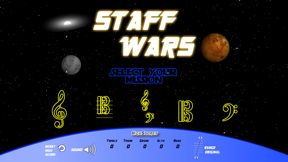


Snapshot
Who is TMI Media?
Providing music students with gamified tools to master sight-reading and transposition through interactive, instrument-integrated practice.
Target audience


Portfolio
Last updated

StaffWars Live
v2.20
7mo ago
Publisher DNA
What defines TMI Media?
Publisher DNA
Primary focus
Music education and sight-reading utilities
Scale
indie
Target audience
Music students, instrumentalists, and educators seeking interactive tools for sight-reading and transposition training.
Signature Patterns
- •Gamified approach to music theory and sight-reading
- •Monetization via one-time paid purchase model
- •Support for external hardware via MIDI connectivity
- •Focus on instrumental performance and transposition training
Portfolio momentum
Maintains a focused presence with 3 updates in the last 6 months, primarily concentrated on the active 'Live' title.
Portfolio
What does TMI Media ship?
Apps
4 apps analysed

Analysis in progress

Analysis in progress

Focused, singular value proposition
- Low-friction, one-time purchase model
Rivals
Who does TMI Media compete with?
The rivals identified
Nemeses(1)

Both apps target music beginners seeking note recognition training, but the rival captures a broader audience by offering a free, multi-modal interface including virtual piano keys.
Contenders(16)


Both applications target music students seeking sight-reading proficiency, with Notaforte capturing a larger user base through a free-to-access model that directly competes with the paid StaffWars utility.


Both apps target music students for sight-reading practice, but Music Tutor captures a broader audience through a free entry point and expanded technical support.


MyMusicTheory competes for the same music student audience by offering a broader curriculum of theory topics, including chords and rhythm, which expands beyond the singular note-identification focus of StaffWars.


Practice Space uses teacher-led studio management to drive student motivation through leaderboards and real-world rewards, contrasting with the individual-focused nature of StaffWars Live.


Notevision competes for the same sight-reading audience by offering a free, multi-modal practice environment that includes MIDI and microphone support, directly challenging the paid, single-purpose model of StaffWars.


Note Trainer Lite occupies the same sight-reading niche for beginners and students with a focus on note and chord identification.


Both apps target beginners learning sight-reading and music theory, with Solfa's free model and broader instrument support directly challenging the paid, singular focus of StaffWars.


Both apps target music students seeking to improve sight-reading through gamified note recognition and instrument-based input.


Both apps target music students aiming to improve sight-reading proficiency through gamified practice and note-reading drills.


Both apps target music students seeking to improve sight-reading through gamified note recognition and MIDI-compatible instrument practice.


Both apps target music students seeking sight-reading improvement, creating direct competition for time and attention within the music education category.


Both apps target music students with gamified note identification drills, competing for the same entry-level music education market through a paid-upfront model.


Both apps target music students seeking to improve sight-reading through note identification, creating direct competition for the same beginner audience.


Both apps target instrumentalists seeking to improve sight-reading through MIDI-connected practice, creating direct competition for the same user base.


Both apps target music students for sight-reading drills, creating direct competition for the same user base seeking note identification practice.


Both apps target music students seeking to improve fundamental musicianship skills, with overlapping functionality in note recognition and identification.
Same space(18)


Rhythmic Village targets the same music education space by using a game-based interface to teach rhythm and drum notation.


Ella serves the same music student audience by focusing on interactive ear-training and sight-singing proficiency.


Modacity provides a structured system for deliberate practice, targeting serious musicians who require planning and reflection tools rather than simple gamified drills.


Cue Rehearsal Techniques targets music educators with a library of pedagogical strategies, serving as a professional resource rather than a student-facing drill app.


Tonehabit uses behaviorist psychology for theory training, offering a structured, habit-based alternative to the gamified drills in StaffWars Live.


Memorize Music Theory focuses on cognitive recall of note relationships, providing a theory-based alternative to the instrumental performance drills in StaffWars Live.


Andante focuses on long-term habit tracking and practice logging, serving as a complementary tool for musicians who want to manage their overall progress alongside specific note-reading drills.


Rehearse uses OCR technology to digitize sheet music, offering a utility-focused approach that differs from the gamified drills in StaffWars Live.


Music Theory Essentials leverages a B2B distribution model through institutional teacher access, creating a barrier to entry for individual-focused apps.


Music Practice emphasizes repertoire management by allowing users to attach media files directly to their practice pieces, offering a more organizational approach.


Legato combines practice tracking with score annotation, providing a comprehensive management tool for serious instrumentalists.


Kjos IPS integrates directly with proprietary music publications, offering a content-specific practice environment that differs from the generic note-reading exercises in StaffWars Live.


Music Routine provides a privacy-focused alternative for users who want to track practice habits without account-based data collection.


Circle of Fifths provides a specialized visualization tool for music theory, serving as a reference rather than a practice drill app.


Piano Maestro targets the same music education segment by providing real-time audio feedback on sight-reading and rhythm.


TunyStones Rhythm targets younger learners with a nonverbal, intuitive approach to rhythm, contrasting with the staff-notation focus of StaffWars Live.

known for Piano Sight-Reading Trainer
 focuses on exam preparation for specific grade levels, providing a curriculum-aligned alternative to general sight-reading practice.


Vivid Practice functions as a teacher-student assignment platform, shifting the focus from individual practice drills to managed studio workflows.
New entrants(1)


Moosic focuses on active recall for music theory without requiring staff notation, appealing to producers who prioritize practical fluency.
The Analyst's Read
The bottom line on TMI Media
Bottom line
TMI Media is a disciplined indie publisher with a clear focus on the music education niche. Their emphasis on MIDI-enabled, performance-based tools indicates a commitment to serving serious music students and educators.
Frequently asked questions
How many apps does TMI Media publish?
What kind of apps does TMI Media make?
What is TMI Media's top app?
What fed this analysis
- Apps analyzed:
- 2
- With full intel:
- 1
- With overview:
- 2
- Website scraped:
- yes
- Social presence:
- no