

Wikibuy
For value-conscious online shoppers seeking to automate coupon application and price monitoring during the checkout process.
 Capital One Shopping: Save Now




Snapshot
Who is Wikibuy?
Automating online savings through real-time price comparison and coupon application. Helping shoppers secure the best deals without manual effort.
Target audience


Portfolio
Free 2Last updated

Capital One Shopping: Save Now
v2.127.0
7mo ago
Publisher DNA
What defines Wikibuy?
Publisher DNA
Primary focus
Shopping utility and price-comparison tools
Scale
indie
Target audience
Value-conscious online shoppers seeking to automate coupon application and price monitoring during the checkout process.
Signature Patterns
- •Core focus on automated coupon application and price comparison
- •100% free, affiliate-driven monetization model
- •Cross-platform utility spanning mobile apps and browser extensions
- •High-frequency update cadence to maintain compatibility with retail sites
Portfolio momentum
Released 16 updates across 2 apps in the last 6 months, indicating a high-frequency development cycle focused on maintaining core utility.
Company profile
low confidence- Founded
- 2018
Portfolio
What does Wikibuy ship?
Apps
2 apps analysed

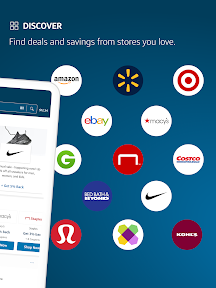
Access free, exclusive savings on the go thanks to Capital One Shopping!


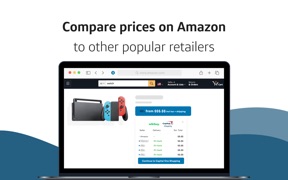
Access free, exclusive savings on the go thanks to Capital One Shopping!


Automated browser-level integration (Safari)
- Significant Savings
- Unfulfilled Sign-up Bonuses
User Sentiment
How do users feel about their apps?
0
Positive apps
1
Neutral / mixed
0
Negative apps
58/100
Avg sentiment score
Rivals
Who does Wikibuy compete with?
The rivals identified
Nemeses(2)

Both apps compete for the same budget-conscious audience by providing automated coupon discovery and cash back rewards across major retail brands.


Both apps target the same online shopping demographic by providing automated savings, cashback, and coupon discovery across major e-commerce retailers.
Contenders(2)


Both apps target value-conscious online shoppers by automating coupon discovery and cash back rewards, creating direct competition for user attention and affiliate conversion.


Both apps compete for the same user intent of earning cashback and finding discounts on retail purchases, though they differ in regional focus and automation methods.
Same space(34)


7-Eleven captures the same convenience-focused demographic by offering fuel savings and delivery, acting as a high-frequency retail utility.


Belk acts as a retailer-specific app that locks in loyalty through credit card integration, contrasting with the merchant-agnostic approach of Capital One.


Benjamin consolidates earning streams into a single wallet, targeting the same side-hustle audience as Capital One but with added gaming and survey components.


Blidz targets the same shopping audience by using social group dynamics to unlock discounts instead of individual coupon application.


Coupon Network focuses on grocery-specific savings, targeting the high-frequency shopping segment that Capital One currently lacks.


Consumer Reports acts as a research utility that helps the same shopping audience make informed decisions before they apply discounts.


Wish competes for the same budget-conscious shoppers by offering a global marketplace with low-cost items and flat-rate shipping.


CouponBirds serves the same coupon-seeking audience by aggregating verified promo codes for major retailers.


DealSeek targets the same Amazon and Walmart shoppers by providing a manual verification layer for promo codes to ensure savings.


Dollar General targets the same budget-sensitive demographic but focuses on in-store digital couponing as a primary retention lever for neighborhood shopping.


Fashion Nova captures the same trend-conscious demographic but focuses on high-frequency inventory updates rather than passive price-tracking automation.


Fetch captures the same budget-conscious audience by using receipt scanning to drive a high-frequency habit that complements passive browser-based savings.


Groupon provides a local discovery layer for the same budget-conscious audience, focusing on service-based deals rather than retail product discounts.


Ibotta serves the same budget-conscious user base by offering direct manufacturer rebates that provide a more tangible financial return than browser-based coupon discovery.


idealo serves as a dedicated price-comparison utility that focuses on product specifications and historical pricing data to guide purchase decisions.


iGraal acts as a regional cashback aggregator that mirrors the savings utility of Capital One while focusing on European retail partners.


Users report: Receipt Hog targets the same audience by monetizing purchase data through a multi-channel receipt submission system.


Kohl's operates as a retailer-specific shopping app that manages store-branded currency and coupons, contrasting with the third-party aggregator model of Capital One.


Koupon competes for the same deal-seeking audience by centralizing promo codes for major retailers, though it lacks the automated cashback layer.


Coupons, Promo Codes, Deals provides a manual deal-discovery layer that complements the automated coupon application found in Capital One.


LetyShops provides a similar cashback utility but differentiates through a global aggregator network that includes charity donation options.


Macy's functions as a direct retail destination that captures shopping intent through brand-specific loyalty rewards rather than the cross-merchant automation used by Capital One.


Macy's functions as a destination retailer that uses a proprietary loyalty program to retain shoppers who might otherwise use browser tools to find discounts.


eBuyClub provides a broad affiliate network for rebates, competing with Capital One by including physical receipt scanning for in-store savings.


Quidco serves as a UK-specific cashback utility that aggregates discount codes and rewards for a large network of online retailers.


Rakuten operates as a direct affiliate competitor that provides cash back rewards, targeting the same online shoppers seeking to maximize savings.


SeQura targets the Spanish market with a fintech-first approach, bundling installment payments with rewards to capture high-intent shoppers.


ShopBack competes for the same value-conscious user base by providing cashback rewards across a global network of 3,500 retail partners.


ShopSavvy provides a neutral price-tracking tool that helps the same audience compare retailer prices and monitor history.


Staples provides a vertical-specific shopping experience that captures office supply demand through integrated rewards and store-mode features.


TopCashback (Global) operates as a large-scale cashback aggregator that leverages its massive membership base to secure competitive rebate rates.


Voghion serves as a low-cost marketplace that competes for the same budget-conscious shoppers by offering factory-direct pricing.


Walmart competes for the same value-conscious demographic by integrating digital coupons directly into its own retail marketplace rather than acting as a third-party browser layer.


Widilo offers a cashback and coupon utility that focuses on stretching monthly budgets through a combination of online and in-store rebates.
New entrants(2)


Scavenger targets the same bargain-hunting audience by focusing on hidden clearance and penny items in local stores.


Kupon competes for the same deal-seeking audience by focusing on Amazon-specific secret codes and price drops.
The Analyst's Read
The bottom line on Wikibuy
Bottom line
Capital One Shopping maintains a dominant position in the shopping utility space by providing high-value, automated savings tools. Their ability to scale as a standalone product, independent of the parent bank's core financial services, demonstrates a successful strategy for capturing broad consumer traffic.
Frequently asked questions
How many apps does Wikibuy publish?
What kind of apps does Wikibuy make?
What is Wikibuy's top app?
What fed this analysis
- Apps analyzed:
- 2
- With full intel:
- 1
- With overview:
- 2
- Website scraped:
- yes
- Social presence:
- yes
