


Design Home is an interior design simulation game for mobile users, featuring 3D room styling with real-world furniture brands.
The App DNA
What makes this app unique?
Users hire the app for a low-stakes creative escape that allows them to experiment with professional decor styles without the real-world cost of renovation.
For Casual gamers and home decor enthusiasts interested in interior design simulation and real-world furniture brands.
What does it look like?
Key features
Virtual furniture and decor items sourced from over 60 real-world brands.
Tiered progression system rewarding players with diamonds and exclusive items.
Immersive 3D environment for placing and styling furniture.
How much does it cost?
Freemium model anchored by IAP-driven virtual currency and a subscription-based VIP program for recurring revenue.
Velocity
Steady developmentnew contentseasonal eventsShow more...
Design Home maintains a steady development cadence, shipping approximately 0.33 releases per week over the analyzed period. The update cycle is consistent, with major content drops occurring roughly every 3 to 4 weeks. Development is heavily focused on expanding in-game design assets and seasonal-style challenges to drive user engagement. The release pattern is stable, showing no signs of acceleration or deceleration.
Who built it?

User Sentiment
What do users think recently?
Review voice lately leans mixed. Users appreciate creative design mechanics provide a relaxing and mentally stimulating outlet for long-term players, but report aggressive monetization and rising costs for essential items frustrate long-term dedicated players.
How are ratings & reviews evolving?
What users say, by theme
- Creative design mechanics provide a relaxing and mentally stimulating outlet for long-term players
- Aggressive monetization and rising costs for essential items frustrate long-term dedicated players
50 of 50 recent reviews analyzed · high confidence · Mixed overall
Read the full review analysisUnlock 1 user request, each backed by review evidence.
Access the full report for freeCompetition
Competitive landscape for Design Home™: House Makeover
How's the Games market?
The app holds a top 50 grossing position in the US, but the 0.25★ rating gap between iOS and Android platforms indicates that technical instability on Android is hindering its market reach.
Read the market outlookThe rivals identified

By Storm8 Studios
Both apps target casual home design enthusiasts, competing for the same user base through interior design simulation and freemium monetization models.
- Property Brothers integrates celebrity voice-overs and narrative hooks; Design Home relies on real-world furniture brand partnerships.
- Property Brothers includes an offline mode; Design Home requires a persistent connection for its 3D simulation loop.
- Property Brothers blends match-3 puzzle gameplay; Design Home focuses exclusively on interior design simulation.
 My Home - Design DreamsContender
 Decor Life - Home Design GameContender
 Home Design MakeoverContender
 Decor MatchContender
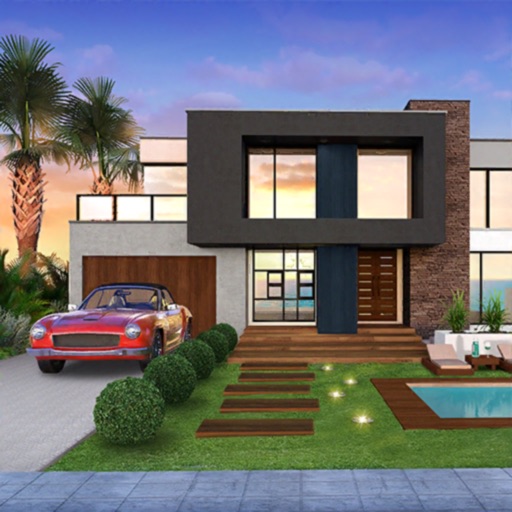 Home Design : Caribbean LifeContender
 Home Street: Virtual House SimContender
 Makeover MasterContender
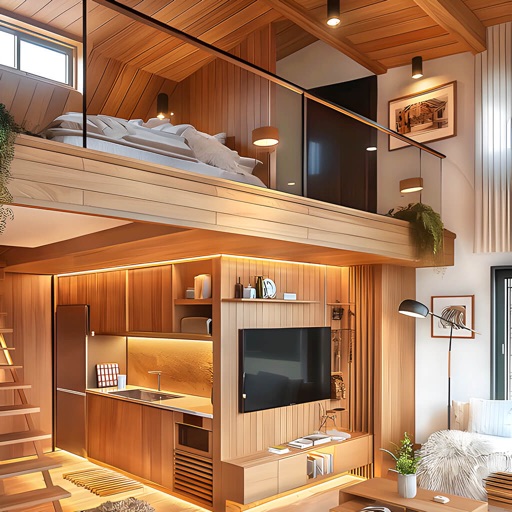 Dream House Design: Tile MatchContender

Unlock the head-to-head verdict: where this rival wins, and where it loses.
Access the full report for freeThe Analyst's Read
Key takeaways for Design Home™: House Makeover
Where is it heading?
The casual design market is consolidating around high-frequency live-ops, leaving Design Home exposed to rivals that offer more frequent content updates. Unless the team shifts from maintenance-mode to aggressive feature parity, the current sentiment decline will erode the grossing rank by Q3.
- Aggressive monetization in the latest version triggers high churn among veterans, which compounds the existing rating drag on Android.
- Redecor's high-frequency content updates pull attention away from solo-focused design, accelerating the decline of Design Home's core engagement loop.
The SWOT
- Real-world brand partnerships create a distinct aesthetic moat
- 3D simulation loop drives high session frequency
- Editors' Choice badge sustains organic install velocity
- Untapped B2B potential in home decor affiliate partnerships
- Expansion into social-competitive design modes
- Wearable integration to capture casual-gaming segments
Next best moves
Pivot monetization to reward high-scoring designs because sentiment data flags item costs as prohibitive → improve retention
+ 1 more prioritized moveThe counter-intuitive read
The app's stable top 50 grossing rank is a liability…
Read the full takeFeature gaps
Advanced lighting and material physics (available in Redecor) +1
Since the last report: The app has transitioned from a stable simulation product to one experiencing significant churn risk due to aggressive monetization and technical performance gaps on Android.
Bottom line
Design Home holds its category lead through strong brand partnerships but bleeds veteran players due to aggressive monetization, so revenue growth hinges on rebalancing the economy to reward skill over spend.
Unlock 3 critical frictions, 3 market threats, 1 more prioritized move and the analyst’s take.
Access the full report for freeFAQ
Is Design Home free to play?
How does Design Home compare to Redecor?
Is Design Home safe for children?
Are there alternatives to Design Home?
Report last updated