Alexander Kondrashov
For russian-speaking English learners and mobile digital illustrators seeking professional-grade painting tools.
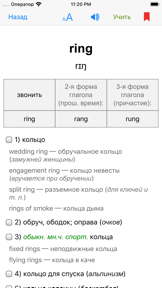
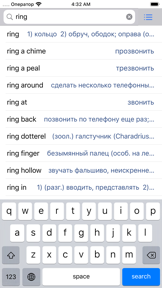
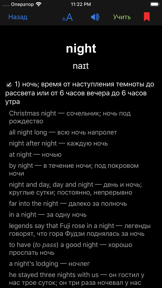
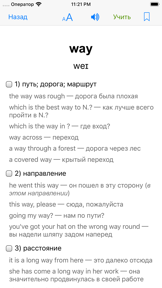
 English-Russian Dictionary









Snapshot
Who is Alexander Kondrashov?
Providing high-performance offline reference tools and professional digital art suites for language learners and illustrators.
Target audience


Portfolio
Free 2Last updated

English-Russian Dictionary
v3.5
2.1y ago
Publisher DNA
What defines Alexander Kondrashov?
Publisher DNA
Primary focus
Language education and digital art utilities
Scale
indie
Target audience
Russian-speaking English learners and mobile digital illustrators seeking professional-grade painting tools.
Signature Patterns
- •Deep integration between reference tools and study companions to increase ecosystem stickiness.
- •Prioritization of offline functionality for utility-based applications.
- •Technical focus on professional-grade features like advanced brush engines and calligraphy stabilization.
- •Hybrid monetization strategy utilizing both freemium and one-time paid models.
Portfolio momentum
Concentrated development effort with 9 releases in the last 6 months, primarily focused on maintaining the flagship dictionary and creative tools.
Portfolio
What does Alexander Kondrashov ship?
Apps
3 apps analysed


Single-market publisher, every app ships only to United States.
Based on 3 of 3 apps with localized market data · last scanned .
Americas (1)
- United States3 / 3
Core markets (3/3 apps)
Rivals
Who does Alexander Kondrashov compete with?
The rivals identified
Nemeses(2)

Both apps compete for the mobile-first digital artist segment by offering freemium painting tools, with ibis Paint X capturing a broader user base through its massive brush library and social-sharing loops.


Both apps target users seeking English vocabulary retention, creating direct competition for the same user intent despite different pedagogical approaches.
Contenders(20)


Both applications target digital artists and illustrators on iOS, competing directly for the same user base through professional-grade painting tools and layer management systems.


Both applications target digital illustrators on mobile platforms, competing for the same creative workflow time through freemium painting toolsets.


Both apps target the digital art market, with iArtbook focusing on professional-grade creation and Artrace targeting beginners through AR-based projection. They compete for the same mobile artist audience, though they prioritize different skill levels and technical workflows.


Both apps target English-Russian language learners, with Words Lesson focusing on active vocabulary study while Russian English Dictionary Pro provides a broader dictionary utility with integrated flashcards.


Both apps target English-Russian language learners, but they diverge between active vocabulary retention tools and static reference utilities.


Both apps compete for time within the digital art category, with iArtbook serving professional workflows while AR Drawing captures the beginner segment through AR-assisted learning.


Both applications target digital artists with freemium painting tools, creating direct competition for mobile illustration workflows.


Both apps target language learners requiring English-Russian vocabulary support, creating a direct overlap in the user search for language tools.


Both apps target language learners requiring English-Russian vocabulary tools, creating direct competition for users seeking reference and study resources.


Both apps target English-Russian language learners, with the rival providing the base dictionary lookup that Words Lesson extends into an active learning tool.


Both apps target language learners needing vocabulary memorization tools, with Words Lesson focusing on structured dictionary integration and Reading Word Cards on audio-based repetition.


Both apps target English-Russian language learners, with the rival providing the dictionary foundation that Words Lesson uses as a source for vocabulary exercises.


Widget Vocabulary competes for the same language-learner audience by offering passive, low-friction vocabulary exposure via Lock Screen widgets, contrasting with the active study sessions required by Words Lesson.


Both applications target digital artists with multi-layer painting suites and freemium models, creating direct competition for users seeking mobile-first illustration tools.


Both applications target digital artists with professional-grade brush engines and Apple Pencil support, competing directly for the same mobile-first creative workflow.


Targets novice artists through camera-based projection, functioning as an educational aid rather than a full-featured digital painting canvas.


Both apps target English-Russian language learners, with Words Lesson focusing on active vocabulary retention while Russian Dictionary English provides passive lookup and audio pronunciation.


Both applications target iPad users via Apple Pencil support, competing for the same mobile-first creative time despite differing levels of technical complexity.


Both applications target digital artists on iPad, though iArtbook provides a standalone painting engine while the rival functions as an asset library for the Procreate application.


Both apps target English-Russian language learners, creating direct overlap for users seeking vocabulary reference and study tools.
Same space(37)


Combines AR tracing with AI-generated templates to assist users in physical sketching, serving as a bridge between digital and traditional art.


It serves the same vocabulary-building audience but prioritizes an offline-first, gamified experience over the source app's dictionary-linked structure.


Functions as an asset library that streamlines the workflow for Procreate users by providing curated brushes and fonts.

known for Pencil Sketch: Photo Drawing
Provides a privacy-focused, offline-first tool for converting photos into sketches, serving as a quick alternative to manual painting.


It addresses the same English-learning audience but uses automated speech recognition to provide feedback on pronunciation.


Captures the hobbyist market by combining AR tracing with template libraries, serving as a creative entry point for beginners.


It serves the same intermediate-to-advanced learner segment but uses high-volume sentence drills instead of the source app's card-based hierarchy.


Offers an AI-driven alternative for photo stylization, focusing on transforming images into paintings rather than manual drawing from scratch.


Serves the casual hobbyist segment by using camera-based projection to guide physical sketching, contrasting with the digital-only focus of iArtbook.


Enhances the Procreate workflow by providing AI-powered conversion tools that simplify the creation of digital assets.


It shares the same vocabulary-building focus but allows users to extract words from external media like videos and articles.


It addresses the same vocabulary retention goal by using a spaced repetition algorithm instead of the source app's hierarchical mastery tracking.


It serves the same English-learning demographic but adds a conversational AI tutor to supplement the vocabulary exercises found in the source app.


It targets the same language-learning audience but uses a fully AI-powered tutor to facilitate speaking, reading, and writing.


It targets the same advanced learner demographic but differentiates through a privacy-first, local-only storage architecture.


It targets the same professional and student demographic by offering a daily word-of-the-day feature rather than manual card creation.


Focuses on realistic physical medium simulation, providing an alternative for artists prioritizing tactile painting experiences over general-purpose digital tools.


Provides a distraction-free environment for mobile sketching, targeting artists who prioritize a clean interface over complex toolsets.


Targets professional users needing high-performance GPU acceleration and large canvas support, positioning itself as a desktop-class creative environment.


It targets the same exam-prep and professional audience by focusing on daily challenges and performance tracking.


It serves the same bilingual dictionary user base but focuses on a static, offline reference database rather than active vocabulary exercises.


It targets the same vocabulary-building audience but shifts the delivery mechanism from structured lessons to passive, lock-screen widget-based daily learning.


It covers the same four-skill learning objective but uses visual flashcards and short stories to engage users instead of dictionary-integrated card creation.


It competes for the same language-learning time budget by replacing passive dictionary lookups with an active, speaking-first AI curriculum.


Acts as a utility for Procreate users to expand their creative toolkit through a library of professional-grade assets.


Offers a collection of brushes and tools designed to enhance the creative capabilities within the Procreate environment.


Simulates physical art supplies through live-calculated strokes, catering to artists who want to refine skills without the cost of physical materials.


It targets the same vocabulary-building audience but emphasizes user-created lists and Excel imports for personalized study.


It targets the same vocabulary-building audience but relies on spaced repetition and daily challenges rather than dictionary-linked card creation.


Serves as a companion app for Procreate users by offering a diverse collection of brushes tailored for various artistic styles.


It targets the same academic and professional vocabulary-building segment but uses a science-based path rather than the source app's manual card creation.


Supplies a large library of professional brushes and tutorials to support users of Procreate and Procreate Dreams.


Functions as a structured educational platform that uses Apple Pencil integration to teach drawing fundamentals through guided steps.


It serves the same English-learning audience but uses an AI assistant to provide real-time feedback on sentence construction.


It serves the same vocabulary-building audience but focuses on audio-based rehearsal for GRE preparation.


It targets the same language-learning audience but differentiates by adding cultural context modules to its core curriculum.


Provides a portable, professional-grade alternative with a focus on interface customization and support for industry-standard color modes like CMYK.
New entrants(3)


It targets the same vocabulary-building audience but automates the creation of definitions and examples using AI.


It serves the same vocabulary-building audience but uses home screen widgets to deliver passive learning content.


Targets artists who prefer a stable, one-time purchase model for digital painting without the overhead of cloud sync or subscriptions.
The Analyst's Read
The bottom line on Alexander Kondrashov
Bottom line
Kondrashov is a disciplined indie publisher with a strong foothold in the Russian-English education niche. Their ability to sustain high ratings for technically complex tools like iArtbook demonstrates a product-first approach that prioritizes utility over aggressive monetization.
Frequently asked questions
How many apps does Alexander Kondrashov publish?
What kind of apps does Alexander Kondrashov make?
What is Alexander Kondrashov's top app?
In how many countries are Alexander Kondrashov's apps available?
What fed this analysis
- Apps analyzed:
- 3
- With full intel:
- 0
- With overview:
- 3
- Website scraped:
- yes
- Social presence:
- no