


MNO GO APPS
For casual learners and trivia enthusiasts seeking low-pressure, educational brain training and vocabulary building.
 QuizzLand. Quiz & Trivia game


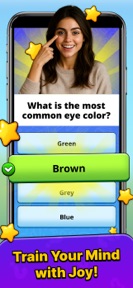





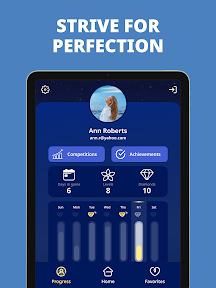


Snapshot
Who is MNO GO APPS?
Providing stress-relieving educational experiences through gamified trivia and language learning tools for casual users.
Target audience


Portfolio
Free 9Last updated

QuizzLand. Quiz & Trivia game
v3.14.010
7mo ago
Publisher DNA
What defines MNO GO APPS?
Publisher DNA
Primary focus
Gamified education and trivia-logic hybrids
Scale
indie
Target audience
Casual learners and trivia enthusiasts seeking low-pressure, educational brain training and vocabulary building.
Origin
The publisher established its presence in early 2018 with the launch of its flagship trivia title, QuizzLand.
Signature Patterns
- •Emphasis on 'antistress' and solo-play mechanics over competitive multiplayer pressure.
- •Integration of detailed educational explanations and 'vivid associations' within standard game loops.
- •Freemium monetization strategy combining ad-supported access with IAP for currency and boosters.
- •Visual themes often incorporate scenic nature imagery or clean, minimalist interfaces.
Portfolio momentum
The publisher is highly active, having shipped 21 releases across its 7 active apps in the last 6 months.
Company profile
low confidence- Founded
- 2018
Portfolio
What does MNO GO APPS ship?
Apps
9 apps analysed

Relax with brain games & trivia. Perfect question game for stress relief.


Solve crosswords & trivia in one game. Test your brain with word & quiz puzzles!


34-language library functions as a B2B distribution barrier
- Gamified vocabulary learning keeps users engaged through a fun and accessible daily study routine
- Aggressive advertisement frequency interrupts the learning flow and frustrates users during study sessions

Fast-paced match structure allows for quick gameplay sessions that fit into busy daily schedules
- Engaging trivia content provides a consistent mental challenge that keeps players returning for daily sessions
- Excessive advertisement frequency disrupts the flow of gameplay and creates a negative user experience
Distributed across 20 markets, strongest in Europe.
Based on 7 of 9 apps with localized market data, more coverage rolling in as scans complete · last scanned .
Americas (4)
- Brazil7 / 7
- Mexico7 / 7
- United States7 / 7
- Canada3 / 7
Europe (9)
- France7 / 7
- Germany7 / 7
- Portugal7 / 7
- Spain7 / 7
- Italy6 / 7
›+4 more europe markets
- Netherlands5 / 7
- Sweden5 / 7
- Turkey3 / 7
- United Kingdom3 / 7
Asia-Pacific (7)
- South Korea6 / 7
- Japan5 / 7
- Australia3 / 7
- India3 / 7
- Indonesia3 / 7
›+2 more asia-pacific markets
- Singapore3 / 7
- Vietnam3 / 7
Core markets (7/7 apps)
User Sentiment
How do users feel about their apps?
4
Positive apps
0
Neutral / mixed
0
Negative apps
76/100
Avg sentiment score
Rivals
Who does MNO GO APPS compete with?
The rivals identified
Nemeses(3)


Both apps target the same casual trivia and puzzle-solving demographic by pairing quiz mechanics with landscape-building rewards.


Both apps target the trivia puzzle category, competing for users seeking knowledge-based challenges and logic-driven gameplay.


Both apps compete for the casual language-learning segment by using gamified mechanics to drive daily study habits among beginners.
Contenders(10)


Both apps target language learners through multi-language support, but the rival focuses on structured CEFR-aligned audio-text lessons while MomoLingo relies on a gamified vocabulary loop.


Both applications target casual language learners by replacing traditional study methods with gamified vocabulary acquisition loops. They compete directly for the same user base seeking efficient, daily study habits.


Both apps target casual language learners through gamified, quiz-based vocabulary loops that prioritize daily engagement over formal instruction.


Both apps target casual learners through gamified vocabulary exercises, creating direct competition for users seeking accessible language study. The rival specifically addresses a core feature gap in the target app by providing native audio pronunciation for its English curriculum.


Both apps target casual learners through game-based vocabulary acquisition, directly competing for the same time-constrained user segment.


Voca Tooki targets the primary school demographic with AI-driven pronunciation tools, competing directly for the casual language-learning audience currently served by MomoLingo.

known for 500 English words challenge quiz game with picture - learn english words fun and easy.
Both apps target casual learners through visual vocabulary puzzles, creating direct overlap in the entry-level language education segment.


Both apps target the casual language-learning market through gamified vocabulary drills and a freemium pricing model. They compete directly for users seeking accessible, daily study routines.

known for Learn portuguese vocabulary - study languages
Both apps target casual users through game-based vocabulary acquisition, creating direct competition for time spent on language study.


Wordisto competes for the same casual vocabulary-learning audience by offering a time-constrained, game-based English study format that functions without an internet connection.
Same space(57)


This app competes for the same casual puzzle audience by using humorous riddle loops to maintain engagement, contrasting with the knowledge-based trivia focus of Cross World.


Mondly competes for the same casual language-learning audience as MomoLingo but offers a broader 41-language library and hands-free audio modes.


Engages the same family-friendly puzzle demographic through a progressive level system that requires specific riddle-solving thresholds.


Trivia Crush targets the same casual trivia audience with a massive question database.


Competes for the same mental-sharpness audience by providing unconventional, twist-filled questions to test cognitive abilities.


Duolingo competes for the same casual language-learning audience but uses an energy-gating mechanism to force subscription conversion, unlike MomoLingo's ad-heavy model.


English Game - Vocabulary Game targets the same English-learning audience as MomoLingo but uses a fast-paced, true-or-false quiz loop.


WordPal targets the same English vocabulary-building audience as MomoLingo but utilizes a specific spaced-repetition algorithm for personalized learning.


Serves the same deductive reasoning audience by providing a structured, ad-free environment for grid-based logic problems.


Trivia Crack competes for the same casual trivia audience by using social network effects to drive discovery.


Challenges the same casual puzzle base with non-linear logic puzzles that subvert conventional expectations.


Everyday Puzzles competes for the same daily-habit user base by bundling multiple word games into one hub, whereas Cross World focuses on a single trivia-crossword format.


Daily Number Match targets the same logic-puzzle segment but uses math-based matching mechanics rather than the trivia-based word clues of Cross World.


Shares the casual puzzle audience by offering 3D spatial logic challenges that compete for the same daily brain-training session time.


Logo Quiz: Guess the Logos competes for the same trivia audience with a focus on brand identification.


Targets the same brain-training audience by offering grid-based logic puzzles that function as a mental gym.


Targets the same critical-thinking audience by using story-based packs to simulate detective work through logic puzzles.


QuizTime targets the same trivia audience by combining picture-based and text-based questions.


Bouncy Match overlaps with the word-puzzle audience but uses a bubble-dragging mechanic to organize categories rather than crossword grids.


This app serves the same brain-teaser audience but prioritizes fast, varied logic challenges over the structured crossword grid format found in Cross World.


Targets the same multi-generational audience by using narrative mystery scenarios to drive engagement through critical thinking.


Competes for the same logic-puzzle audience by offering mystery-solving scenarios that challenge deductive reasoning.


LetMeSpeak serves the same English-learning audience as MomoLingo but replaces vocabulary drills with a narrative-driven, story-based immersion experience.


LingoDeer targets the same language-learning audience as MomoLingo but focuses on grammar-heavy sentence construction rather than vocabulary guessing.


Competes for the same logic-puzzle audience by blending ancestral narrative themes with grid-based deduction challenges.


EWA competes for the same casual audience as MomoLingo by using entertainment media to drive engagement, contrasting with MomoLingo's pure vocabulary drills.


Quiz Planet serves the same casual trivia audience by focusing on multiplayer competition.


Classic Words serves the same word-formation interest as MomoLingo but functions as a standalone solitaire crossword game without language-learning curriculum.


Vocabulary Builder by Magoosh targets the same English-learning audience as MomoLingo but focuses specifically on standardized test preparation.


General Knowledge Quiz! competes for the same trivia audience with a fifteen-question progression loop.


Memrise targets the same goal-driven learners as MomoLingo but focuses on authentic native-speaker video content rather than simple vocabulary guessing games.


English - Learn Basic English serves the same beginner audience as MomoLingo but functions as a static, offline-first reference utility.


Mahjong Master occupies the same mental-training space but replaces word-based trivia with tile-matching logic and pattern recognition.


Erudite targets the same casual trivia audience with a unique circular matching interface.


Learn English A1-C1: 2Shine targets the same English-learning audience as MomoLingo but structures its content strictly by CEFR levels.


Vocabulary targets the same English-learning demographic as MomoLingo but provides a specialized, minimalist interface for lexicon expansion.


Falou competes for the same casual language-learning audience as MomoLingo but mandates vocal output from the first lesson using AI.


Word Tag competes for the same English-learning audience as MomoLingo but uses a 3D action platformer game to teach vocabulary.


Meowdoku targets the same logic-puzzle demographic but uses a grid-based cat placement mechanic instead of trivia-based crossword clues.


TRIVIA 360 competes for the same casual trivia audience by removing energy timers.


Trivia Quiz Knowledge competes for casual trivia players by offering a category-based selection system.


Logo Quiz 2026 targets the same trivia audience with a specialized focus on brand recognition.


Learn Russian Language & Vocab targets the same casual language-learning audience as MomoLingo but uses a strictly visual-based, non-translation method.


100 PICS Quiz targets the same puzzle-trivia audience with a focus on visual identification.


Engages the same casual puzzle audience by using rule-based constraints to arrange characters in themed settings.


Wordly AI targets the same language-learning audience as MomoLingo but uses AI to generate daily, personalized word lists.


Emoji Guess Puzzle serves the same casual trivia audience by focusing on logic-based emoji associations.


Roots targets the same test-prep audience as MomoLingo but uses a falling-tile game mechanic to avoid rote memorization.


This app targets the same casual riddle audience but incorporates prank-themed scenarios that differ from the educational trivia content in Cross World.


Trivia Puzzle Fortune Games! serves the same casual trivia audience with a phrase-based puzzle loop.


Captures the same casual logic-puzzle market with daily brain-training loops that compete for user retention.


Trivia: Questions et Réponses targets the same trivia audience with a fifteen-level progression system.


Competes for the same logic-puzzle demographic by providing a professor-led grid-based challenge system.


Jeopardy! Trivia TV Game Show targets the same trivia audience by leveraging a known television brand.


Airlearn targets the same casual language-learning market as MomoLingo but uses cultural-context modules to differentiate its academic approach.


Targets the same brain-training audience by offering grid-based logic puzzles with increasing difficulty tiers.


English Crosswords Puzzle Game competes for the same English-learning audience as MomoLingo but uses crossword puzzles as the primary learning mechanism.
The Analyst's Read
The bottom line on MNO GO APPS
Bottom line
MNO GO APPS LTD is a disciplined studio that has successfully commercialized the 'stress-free learning' niche. Their high weighted rating and intense release cadence suggest a robust content pipeline and strong product-market fit within the casual brain-training category.
Frequently asked questions
How many apps does MNO GO APPS publish?
What kind of apps does MNO GO APPS make?
What is MNO GO APPS's top app?
In how many countries are MNO GO APPS's apps available?
What fed this analysis
- Apps analyzed:
- 7
- With full intel:
- 1
- With overview:
- 7
- Website scraped:
- yes
- Social presence:
- yes
